

Operation Process and Working Principle of Bulk Material Conveyors for Silos
For industrial facilities dealing with bulk materials, the efficient and reliable transport of powders from silos to processing units is crucial for maintaining production continuity and optimizing operational efficiency. The bulk material conveyor system, specifically designed for silo applications, plays a pivotal role in this process, ensuring smooth material flow and minimizing downtime. As a leading provider of bulk material handling solutions, Shandong HeadPowder Engineering Co., Ltd. specializes in designing and manufacturing high-quality silo bulk material conveyors that meet the diverse needs of industrial operations.
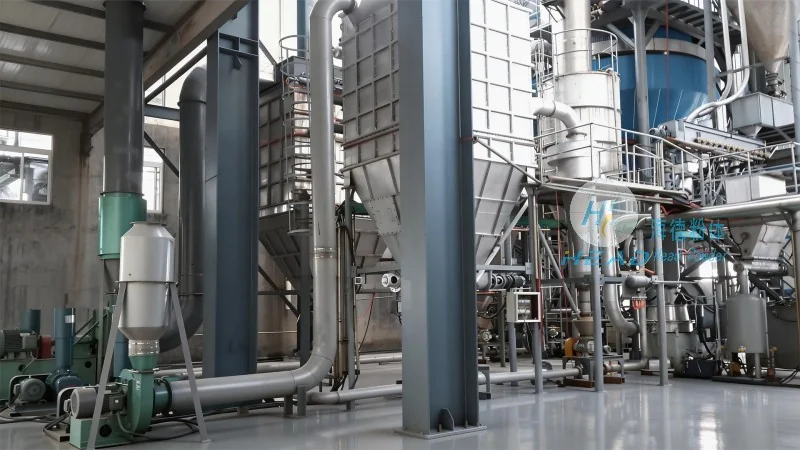
Key Components of Silo Bulk Material Conveyors
The silo bulk material conveyor system comprises several critical components that work in tandem to facilitate material transport. These include the hopper or silo, which stores the bulk material; the conveyor mechanism, such as a screw conveyor, pneumatic conveyor, or belt conveyor, depending on the material characteristics and application requirements; a control system for monitoring and regulating the conveyor's operation; and feeding and discharge mechanisms to ensure precise material handling. Each component is engineered to withstand the specific demands of handling powders, such as abrasiveness, moisture content, and particle size variations. The materials used for these components, including stainless steel, aluminum, or specialized polymers, are selected based on the material's properties to ensure durability and prevent corrosion.
Operation Process of Silo Bulk Material Conveyors
The operation process of a silo bulk material conveyor typically begins with the material being stored in the silo. The control system initiates the conveyor's operation, which may involve the activation of the conveyor mechanism to draw material from the silo. For screw conveyors, the rotating screw pushes the material forward, while pneumatic conveyors use compressed air to transport the material through a pipeline. The material is then discharged at the desired location, such as a processing unit or storage area. The entire process is monitored by sensors and control devices to ensure consistent flow rates and prevent blockages or overloading. Regular maintenance checks are also part of the operation process to ensure the system's longevity and performance. The control system may include features like variable speed drives, which allow for adjustments to the conveyor speed based on the material load, enhancing efficiency and reducing energy consumption.
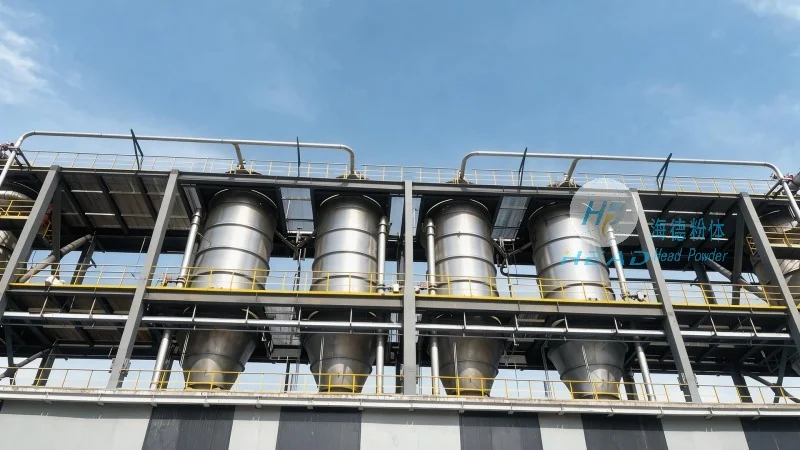
Working Principle of Silo Bulk Material Conveyors
The working principle of silo bulk material conveyors is based on the specific characteristics of the material being handled. For example, screw conveyors operate by rotating a helical screw within a trough, which moves the material forward due to friction and the screw's design. The pitch and diameter of the screw are carefully selected to match the material's flowability and particle size, ensuring smooth transport without excessive pressure on the material. Pneumatic conveyors, on the other hand, use air pressure to create a pressure differential that propels the material through the pipeline. The air velocity and pressure are controlled to maintain the material in a suspended state, preventing it from settling or clogging the pipeline. The control system plays a vital role in regulating the conveyor's speed and flow rate, ensuring that the material is transported at an optimal rate without causing excessive wear or energy consumption. In some cases, a combination of screw and pneumatic conveyors is used to achieve the best results, especially for materials with varying flow properties.
Benefits of Using Silo Bulk Material Conveyors
Implementing a silo bulk material conveyor system offers several advantages for industrial operations. Firstly, it enhances material handling efficiency by providing a continuous and controlled flow of powders, reducing the need for manual intervention and minimizing the risk of material spillage. This not only improves productivity but also reduces labor costs associated with manual material handling. Secondly, the system improves safety by eliminating the need for workers to handle materials directly from the silo, reducing the risk of accidents and exposure to hazardous materials. The enclosed design of the conveyor system also helps in maintaining a clean and hygienic environment, which is crucial in industries like food and pharmaceuticals. Thirdly, the conveyor system optimizes space utilization by allowing for vertical and horizontal material transport, making it suitable for facilities with limited floor space. This is particularly beneficial in urban or densely built industrial areas where space is at a premium. Additionally, the system reduces energy consumption and maintenance costs by using efficient conveyor mechanisms and reliable control systems. The use of energy-efficient motors and smart control systems can further enhance the overall cost-effectiveness of the conveyor system.
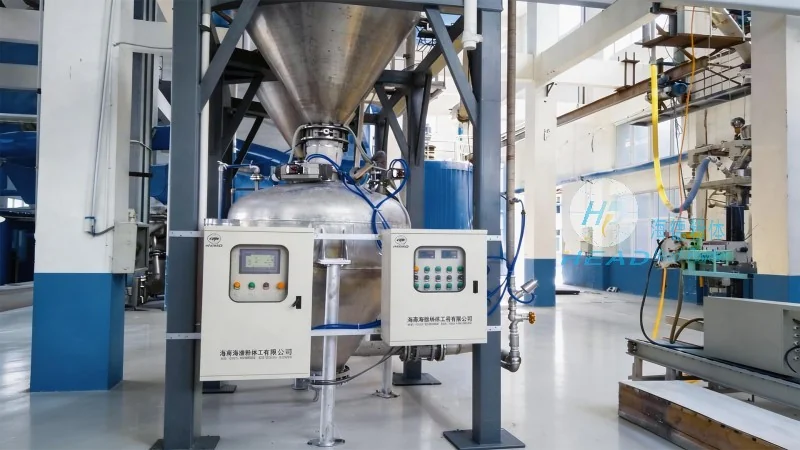
Application Examples and Industry Use Cases
Silo bulk material conveyors are widely used in various industries, including food processing, pharmaceuticals, chemicals, and mining. In the food industry, they are used to transport ingredients like flour, sugar, and spices from silos to processing lines, ensuring a consistent supply of raw materials. The conveyors are designed to maintain strict hygiene standards, with materials like stainless steel and food-grade coatings used for the components. In the pharmaceutical industry, the conveyors are used to handle powders and granules, with features like dust filtration and contamination control to ensure product purity. The system is often integrated with automated feeding and weighing systems to maintain precise dosing. In the chemical industry, they are employed to transport abrasive and corrosive materials, with materials like stainless steel or special coatings used for the conveyor components to ensure durability. The conveyors are equipped with wear-resistant liners and seals to prevent material leakage and equipment damage. The mining industry also utilizes these conveyors to transport ore and other bulk materials from storage silos to processing plants, improving the overall efficiency of mining operations. The conveyors are designed to handle large volumes of material and withstand harsh environmental conditions, such as dust and moisture.
Maintenance and Troubleshooting Tips
To ensure the long-term performance and reliability of silo bulk material conveyors, regular maintenance is essential. This includes checking the conveyor mechanism for wear and tear, inspecting the control system for proper functionality, and cleaning the hopper and discharge area to prevent material buildup. Common issues that may arise include blockages, which can be caused by material bridging or excessive moisture, and motor overloading, which may result from incorrect speed settings or material overload. Troubleshooting these issues typically involves checking the material flow rate, adjusting the conveyor speed, and ensuring proper material feeding and discharge. Regular maintenance and timely troubleshooting can significantly extend the lifespan of the conveyor system and prevent costly downtime. The maintenance schedule should be tailored to the specific application and material being handled, with more frequent checks for abrasive or corrosive materials. Additionally, training operators on the proper use and maintenance of the conveyor system can help in preventing common issues and ensuring optimal performance.