

Operation Process and Working Principle of Polyolefin Material Conveying
Understanding the operation process and working principle of polyolefin material conveying is crucial for optimizing industrial production efficiency and ensuring safe material handling in various manufacturing settings. Polyolefins, such as polyethylene and polypropylene, are widely used in industries like plastics, chemicals, and packaging due to their versatility and cost-effectiveness. Efficient conveying systems are essential to manage these materials from storage to processing units, minimizing downtime and enhancing overall productivity.
The Operation Process of Polyolefin Material Conveying
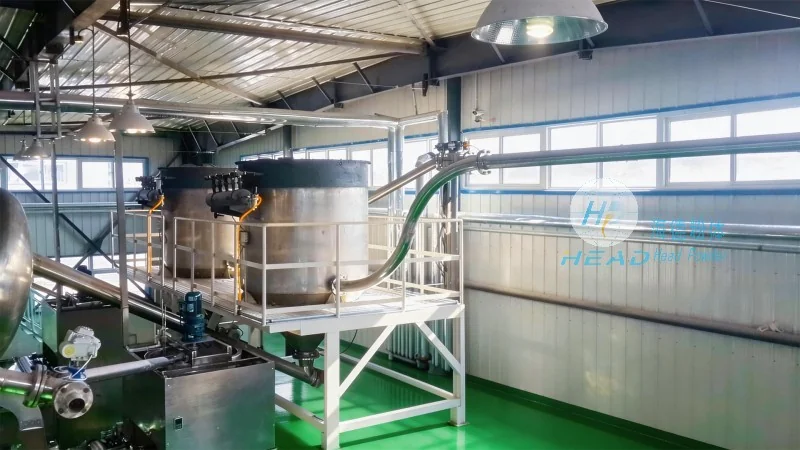
The operation process of polyolefin material conveying typically involves several key stages, each designed to ensure smooth and reliable material movement. The first stage is material loading, where polyolefin powders or granules are fed into the conveying system from storage silos or hoppers. This step requires precise control to prevent material bridging or clogging, which can disrupt the entire process. Advanced feeding mechanisms, such as rotary valves or screw feeders, are often employed to maintain consistent material flow rates. Once loaded, the material is transported through the conveying line, which may include vertical or horizontal sections depending on the layout of the facility. The conveying system utilizes various technologies, including pneumatic or mechanical methods, to move the polyolefins. Pneumatic conveying, for instance, uses compressed air to transport the material in a sealed pipeline, while mechanical conveying relies on screw conveyors or belt systems. The process continues until the material reaches the processing unit, where it is further processed into finished products. Throughout this operation, monitoring systems are in place to track flow rates, pressure, and temperature, ensuring optimal performance and early detection of any issues.
The Working Principle of Polyolefin Material Conveying
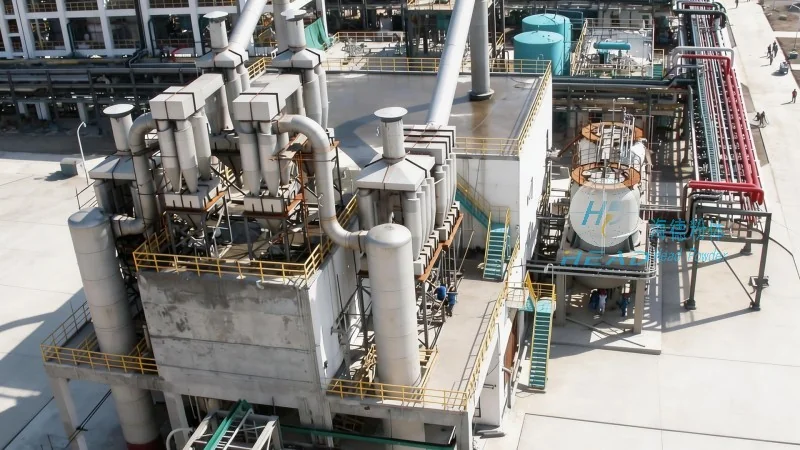
The working principle of polyolefin material conveying systems is based on the physical properties of the material and the chosen conveying technology. For pneumatic conveying, the system operates by creating a pressure differential between the inlet and outlet of the pipeline. Compressed air is introduced at the inlet, which draws the polyolefin particles into the pipeline. The air and material mixture travels through the system, with the air providing the necessary force to move the material. The velocity of the air is critical; it must be sufficient to prevent material settling but not so high as to cause excessive wear on the pipeline or equipment. Mechanical conveying systems, on the other hand, rely on the rotational motion of components like screws or belts to move the material. Screw conveyors, for example, use a rotating screw within a housing to push the material forward. The pitch and diameter of the screw are designed to match the specific characteristics of the polyolefin, ensuring efficient transport without excessive friction or degradation. In both pneumatic and mechanical systems, the design of the conveying line, including bends, elbows, and transition sections, is crucial to maintain material flow and prevent blockages. Proper maintenance and regular inspection of the components are essential to uphold the working principle and ensure long-term reliability.
Company Introduction: Shandong HeadPowder Engineering Co., Ltd.
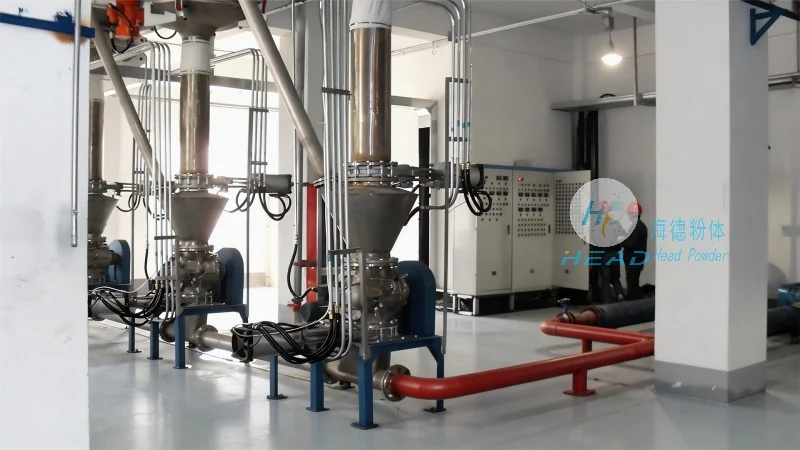
Shandong HeadPowder Engineering Co., Ltd., commonly known as HeadPowder, is a leading provider of specialized engineering solutions for material handling, particularly in the polyolefin industry. With a strong focus on innovation and customer-centric approaches, HeadPowder has established itself as a trusted partner for businesses seeking efficient and reliable conveying systems. The company’s headquarters is located in Shandong, China, where it leverages local resources and expertise to develop cutting-edge technologies tailored to the unique needs of polyolefin processing. HeadPowder’s team of engineers and technicians brings extensive experience in designing, manufacturing, and implementing conveying solutions that meet international standards and customer specifications. The company’s commitment to quality and performance is reflected in its state-of-the-art production facilities and rigorous testing protocols. By combining advanced engineering with practical application knowledge, HeadPowder delivers solutions that enhance operational efficiency, reduce maintenance costs, and improve overall safety in material handling processes.