

Operation Process and Working Principle of Manganese Sulfate Material Handling
Understanding the operation process and working principle of manganese sulfate material handling is crucial for optimizing industrial processes in various sectors. Manganese sulfate, a vital chemical compound widely used in agriculture, water treatment, and battery production, requires efficient and reliable handling systems to ensure consistent quality and safety. This article provides a detailed overview of the key aspects involved in the material handling of manganese sulfate, highlighting the operational steps and underlying principles that contribute to effective management.
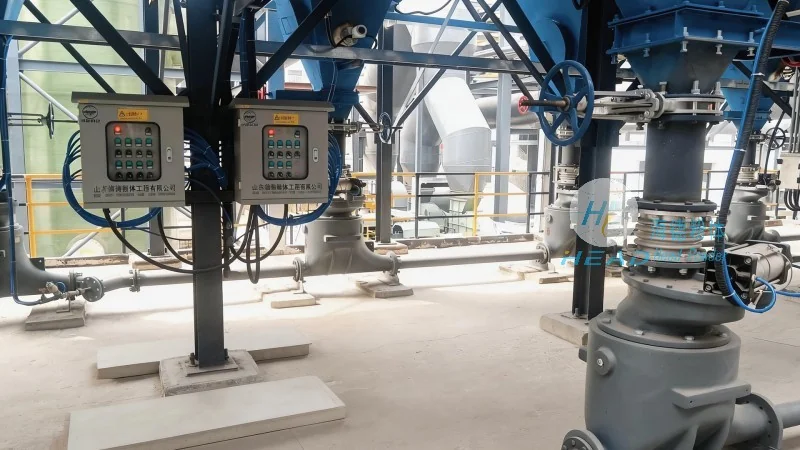
Overview of Manganese Sulfate Material Handling
Manganese sulfate handling involves the movement, storage, and processing of the material from its source to the final application. The process typically begins with the receipt of raw material, which may be in the form of bulk powder or granules. Proper storage is essential to maintain the material's integrity and prevent degradation, such as caking or moisture absorption. HeadPowder, a leading provider in the field, emphasizes the importance of using appropriate storage facilities, including silos or bulk containers, to protect the material from environmental factors.
Key Components in Manganese Sulfate Material Handling Systems
The material handling system for manganese sulfate consists of several critical components that work in tandem to ensure smooth operation. These include feeders, conveyors, storage silos, and control systems. Feeders are responsible for regulating the flow of material from storage to processing equipment, while conveyors transport the material to different stages of production. HeadPowder Engineering Co., Ltd., based in Shandong, China, specializes in designing and manufacturing customized material handling solutions tailored to the specific needs of clients. Their expertise ensures that each component is optimized for the unique characteristics of manganese sulfate, such as its density and flow properties.
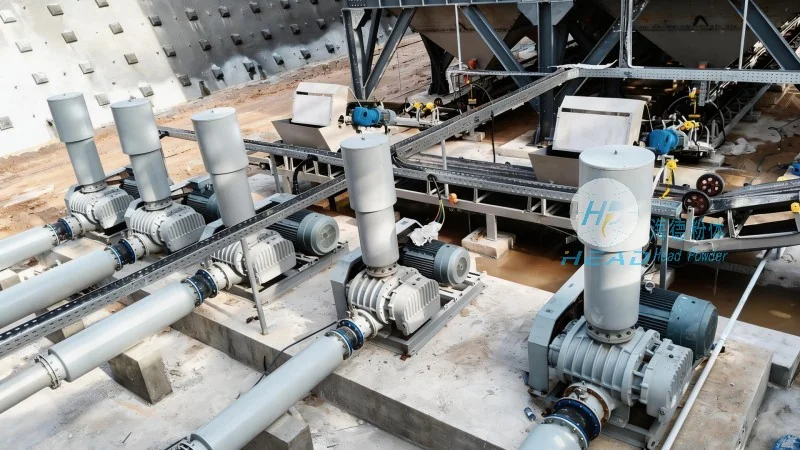
Operation Process of Manganese Sulfate Material Handling
The operation process of manganese sulfate material handling can be broken down into several sequential steps. Initially, the material is received at the facility and transferred into storage silos. From there, it is fed into a conveyor system that transports the material to processing units or packaging areas. The control system plays a vital role in monitoring and regulating the flow, ensuring that the material is handled at the correct rate and under appropriate conditions. HeadPowder's systems are equipped with advanced sensors and automation technologies that enhance operational efficiency and minimize downtime. For example, level sensors in the silos provide real-time data on material levels, allowing for proactive management of inventory and preventing overfilling or underfilling.
Working Principle of Manganese Sulfate Material Handling Equipment
The working principle of the equipment used in manganese sulfate material handling is based on mechanical and hydraulic forces. Feeders, such as rotary valves or vibratory feeders, use rotational or vibrational motion to control the flow rate of the material. Conveyors, including belt conveyors or screw conveyors, rely on continuous motion to transport the material over distances. HeadPowder's engineering team designs these systems to maximize efficiency while minimizing energy consumption. The choice of equipment depends on factors like the material's bulk density, flowability, and the required throughput. For instance, screw conveyors are suitable for handling free-flowing materials like manganese sulfate, as they provide consistent and reliable transport without the need for additional power sources.
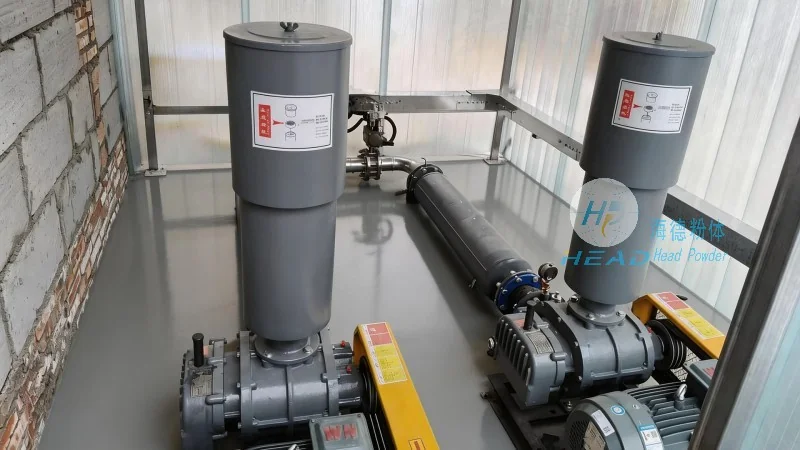
Ensuring Safety and Compliance in Manganese Sulfate Handling
When handling manganese sulfate, safety and compliance with regulations are paramount. The material is generally considered non-toxic but can cause skin irritation or respiratory issues if inhaled in large quantities. Therefore, proper personal protective equipment (PPE) and ventilation systems are essential. HeadPowder Engineering Co., Ltd. incorporates safety features into their material handling systems, such as dust suppression systems and enclosed conveyor designs, to minimize exposure risks. Additionally, the company adheres to industry standards and local regulations to ensure that their solutions meet all necessary requirements. This commitment to safety not only protects workers but also maintains the integrity of the material and the overall production process.
Conclusion and Future Trends in Manganese Sulfate Material Handling
In conclusion, the operation process and working principle of manganese sulfate material handling are critical for optimizing industrial operations. By understanding the key components, operational steps, and safety considerations, companies can implement efficient and reliable systems that enhance productivity and ensure product quality. HeadPowder Engineering Co., Ltd., with its headquarters in Shandong, China, continues to innovate in the field of material handling, providing customized solutions that meet the evolving needs of the industry. As technology advances, future trends may include the integration of artificial intelligence and machine learning in material handling systems to further improve efficiency and reduce operational costs. However, the core principles of effective material handling remain consistent, emphasizing the importance of tailored solutions and adherence to safety standards.