

Operation Process and Working Principle of Calcium Fluoride Material Handling
Calcium fluoride, a key industrial material, requires efficient and reliable handling systems to ensure smooth production processes. This article explores the operation process and working principle of calcium fluoride material handling, highlighting the technical aspects and operational efficiency of such systems.
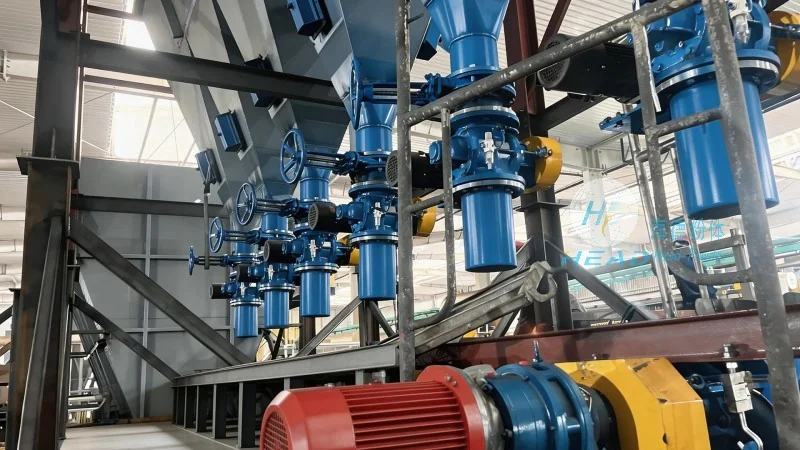
About Shandong HeadPowder Engineering Co., Ltd.
Shandong HeadPowder Engineering Co., Ltd., operating under the brand name headpowder, specializes in the design, manufacturing, and implementation of advanced material handling solutions. With a focus on precision and durability, the company provides tailored systems for various industrial applications, including the handling of calcium fluoride and other specialty materials.
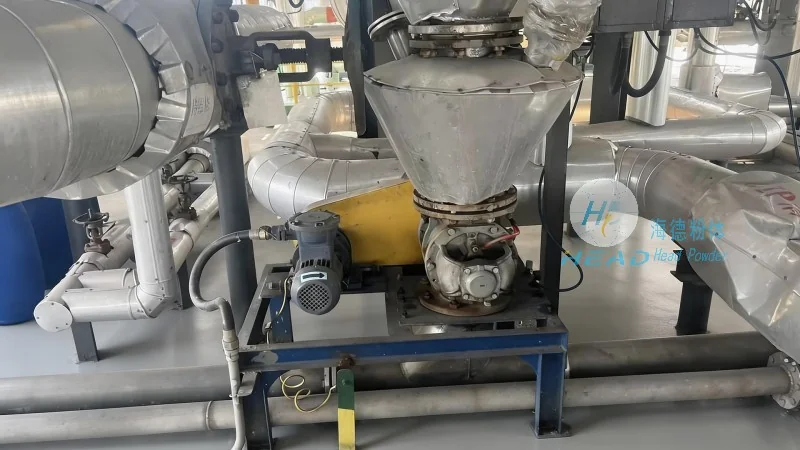
Operation Process of Calcium Fluoride Material Handling
The operation process of calcium fluoride material handling involves several critical steps, each designed to ensure the safe and efficient transfer of the material from storage to processing units. The process typically begins with the loading of calcium fluoride into storage silos or hoppers. From there, the material is transported through a network of conveyor systems, such as belt conveyors or pneumatic conveyors, depending on the specific requirements of the application. The conveyor systems are equipped with specialized components, including hoppers, chutes, and feeding mechanisms, to handle the material's properties, such as its density and flow characteristics. The system also includes control mechanisms that regulate the flow rate and direction of the material, ensuring consistent and controlled movement.
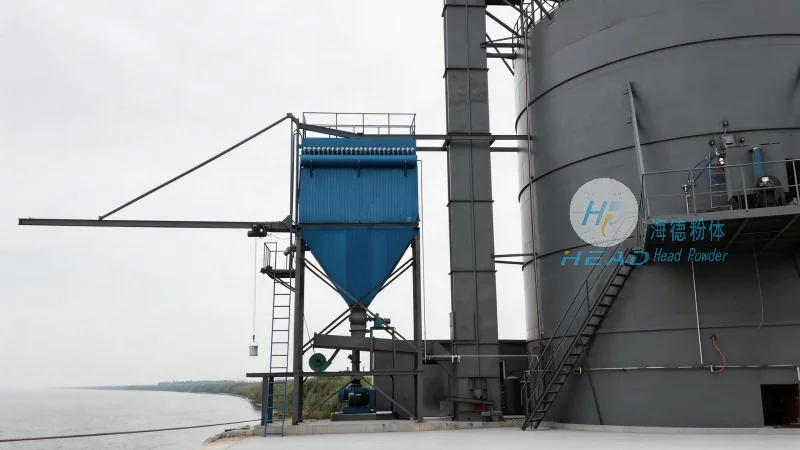
Working Principle of Calcium Fluoride Material Handling Systems
The working principle of calcium fluoride material handling systems is based on mechanical and pneumatic principles to facilitate the movement of the material. Mechanical systems, such as belt conveyors, use rotating drums and idlers to move the material along a path. The material is fed into the conveyor system through a hopper, which is designed to maintain a consistent flow. The conveyor belt, made of durable materials like rubber or plastic, carries the calcium fluoride to the desired location. Pneumatic systems, on the other hand, use air pressure to transport the material through a network of pipes. The material is converted into a fine powder or granules and then carried by the air flow. The system includes filters and separators to prevent material buildup and ensure the purity of the calcium fluoride.
Key Features and Benefits of Calcium Fluoride Material Handling
Modern calcium fluoride material handling systems offer several key features that enhance operational efficiency and safety. These include automated control systems that monitor and adjust the flow rate, reducing the risk of overloading or underloading. The systems also incorporate safety features, such as emergency stop buttons and overload protection, to prevent accidents and equipment damage. Additionally, the use of high-quality materials and components ensures the durability and longevity of the system, reducing maintenance costs and downtime. The integration of these features results in improved productivity, reduced labor costs, and enhanced safety in industrial environments.
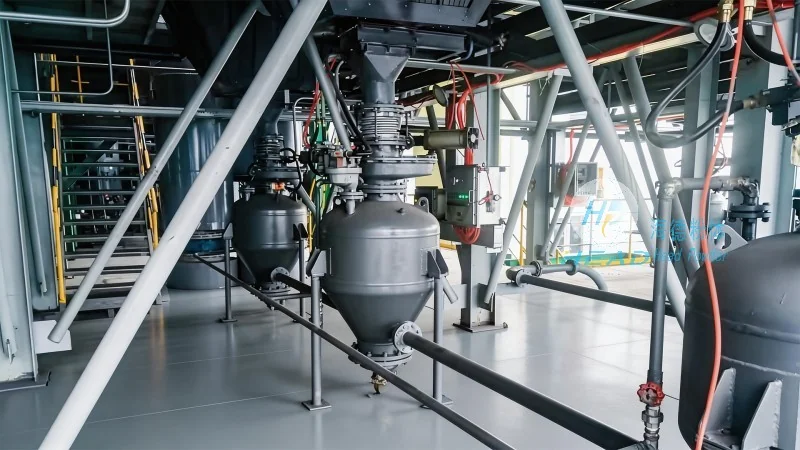
Conclusion and Company Information
Shandong HeadPowder Engineering Co., Ltd. provides comprehensive solutions for calcium fluoride material handling, combining advanced technology with expert engineering. The company's systems are designed to meet the specific needs of various industries, ensuring efficient and reliable material transfer. With a focus on quality and customer satisfaction, headpowder delivers tailored solutions that enhance operational performance and safety. Based in Shandong, China, the company leverages its local expertise and resources to support clients worldwide, offering reliable and efficient material handling solutions for calcium fluoride and other industrial materials.