

Operation Process and Working Principle of Desulfurizer Material Conveying
Desulfurizer material conveying systems are critical components in industrial processes, particularly in power generation and chemical manufacturing where sulfur removal is essential for environmental compliance and operational efficiency. The smooth and reliable transport of desulfurizer materials ensures the consistent performance of flue gas desulfurization (FGD) units. This article provides an in-depth overview of the operation process and working principles of such systems, highlighting the key mechanisms and operational considerations.
Company Introduction
HeadPowder, a leading provider in the field, specializes in engineering solutions for material handling and processing. With a strong commitment to quality and innovation, Shandong HeadPowder Engineering Co., Ltd. has established itself as a trusted partner for industries requiring advanced material conveying technologies. HeadPowder's expertise lies in designing and implementing systems that meet stringent operational requirements while ensuring safety and efficiency. The company's facilities are located in Shandong, China, where it leverages local resources and expertise to deliver high-performance solutions tailored to client needs.
Overview of Desulfurizer Material Conveying Systems
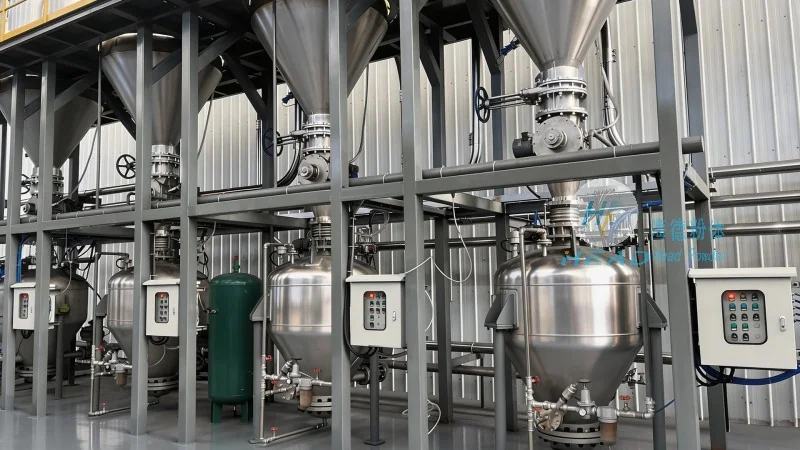
Desulfurizer material, typically limestone or other alkaline substances, is used in FGD processes to neutralize sulfur dioxide (SO₂) in flue gases. The material conveying system is responsible for transporting this bulk material from storage silos to the reaction tower or absorber. These systems must handle large volumes of material, often with high flow rates and varying particle sizes, while maintaining consistent moisture content and preventing material degradation. The design of the conveying system is crucial to ensure minimal downtime, low maintenance costs, and optimal performance under varying operational conditions.
Key Components and Working Principles
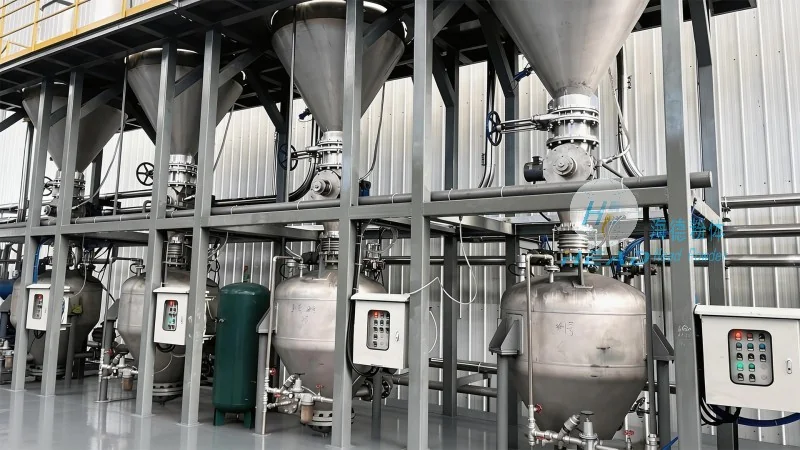
The desulfurizer material conveying system typically consists of several key components, each playing a vital role in the overall operation. These components include bulk material storage silos, conveyor belts or screw conveyors, feeders, and control systems. The working principle revolves around the continuous movement of material from the storage silo to the processing unit through these components. The storage silo stores the desulfurizer material in bulk, ensuring a steady supply. The feeder regulates the flow rate of material from the silo to the conveyor, maintaining a consistent feed. The conveyor then transports the material to the absorber or reaction tower, where it is mixed with flue gases to facilitate sulfur removal.
Operation Process: Step-by-Step
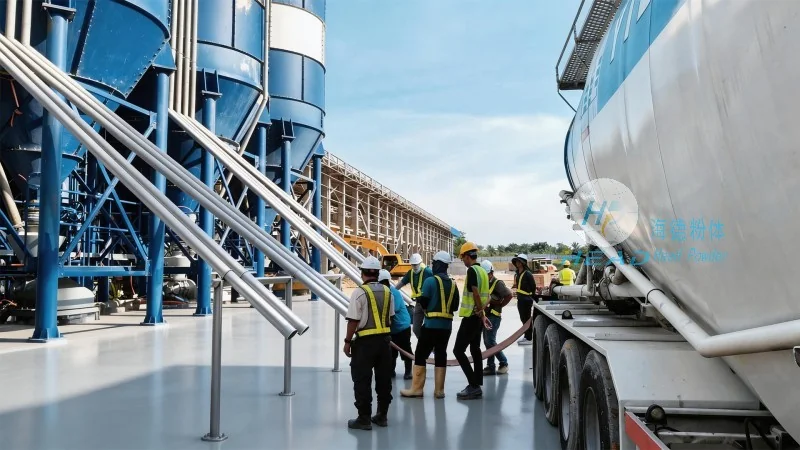
The operation process of a desulfurizer material conveying system involves several sequential steps, each designed to ensure efficient and reliable material transport. The first step is the loading of the storage silo with desulfurizer material. This is typically done using a hopper or a loading system that ensures the material is evenly distributed and free from blockages. Once the silo is loaded, the feeder begins to draw material from the silo. The feeder controls the flow rate based on the system's demand, ensuring that the material is conveyed at the optimal speed to meet the FGD unit's requirements. The conveyor then transports the material from the feeder to the absorber. The speed of the conveyor is adjusted to maintain a consistent flow, preventing overloading or underloading of the system. The control system monitors various parameters such as flow rate, pressure, and temperature to ensure the system operates within safe and efficient limits. Any deviations are immediately detected and corrected by the control system, minimizing the risk of system failures.
Technical Considerations and Maintenance
Several technical considerations are essential for the optimal performance of desulfurizer material conveying systems. These include material properties, such as particle size, moisture content, and bulk density, which affect the conveying efficiency. The system must be designed to handle these properties without causing blockages or excessive wear. Additionally, the conveyor system must be equipped with appropriate sealing and dust control measures to prevent material loss and ensure environmental compliance. Regular maintenance is crucial to maintain the system's performance. This includes checking for wear and tear on conveyor belts or screw components, ensuring proper lubrication, and cleaning the system to prevent material buildup. HeadPowder emphasizes proactive maintenance to minimize downtime and extend the system's lifespan.
Conclusion
In conclusion, the operation process and working principles of desulfurizer material conveying systems are critical to the efficient and reliable performance of flue gas desulfurization units. The system's design and operation must consider various factors, including material properties, operational conditions, and maintenance requirements. HeadPowder Engineering Co., Ltd., with its expertise and commitment to quality, provides advanced solutions that meet these requirements, ensuring optimal performance and environmental compliance. By understanding the key components and operational steps, industries can ensure the smooth and efficient transport of desulfurizer materials, contributing to the overall success of their desulfurization processes.