

Operation Process and Working Principle of Activated Carbon Granule Material Handling System
Activated carbon granule material handling systems are critical components in industrial processes, particularly in applications requiring efficient and reliable transport of activated carbon. These systems are designed to handle the unique properties of granular activated carbon, ensuring consistent performance and minimal material loss during operation. The following content provides a detailed overview of the operation process and working principles of such systems, highlighting the expertise of Shandong HeadPowder Engineering Co., Ltd., a leading provider based in China.
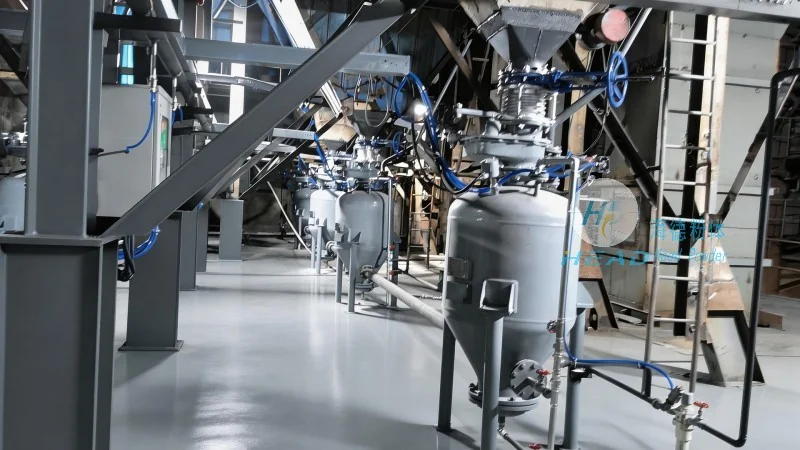
Introduction to Activated Carbon Granule Material Handling Systems
Activated carbon granule material handling systems are engineered to transport activated carbon, a highly porous carbon material widely used in water treatment, air purification, and chemical processing. The systems must accommodate the granular nature of activated carbon, which can range from fine powders to larger pellets, while maintaining the material's integrity and preventing degradation. Shandong HeadPowder Engineering Co., Ltd., headquartered in Shandong, China, specializes in the design, manufacturing, and installation of these systems, leveraging decades of experience in the field.
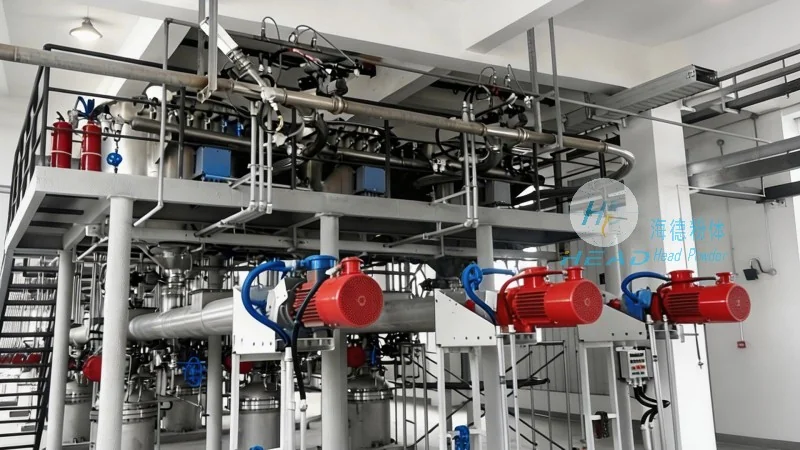
Working Principle of the Material Handling System
The core working principle of an activated carbon granule material handling system involves the use of mechanical equipment to move the granules from a storage or processing area to a destination point, such as a reactor, filter, or storage silo. The system typically includes components like conveyors, elevators, and pneumatic transport units, each tailored to the specific characteristics of activated carbon. For instance, screw conveyors are commonly used for horizontal or slight incline transport due to their ability to handle dry, free-flowing granules without the need for additional power sources like air compressors. Pneumatic conveyors, on the other hand, are ideal for long-distance or vertical transport, utilizing air pressure to move the granules through a pipeline network.
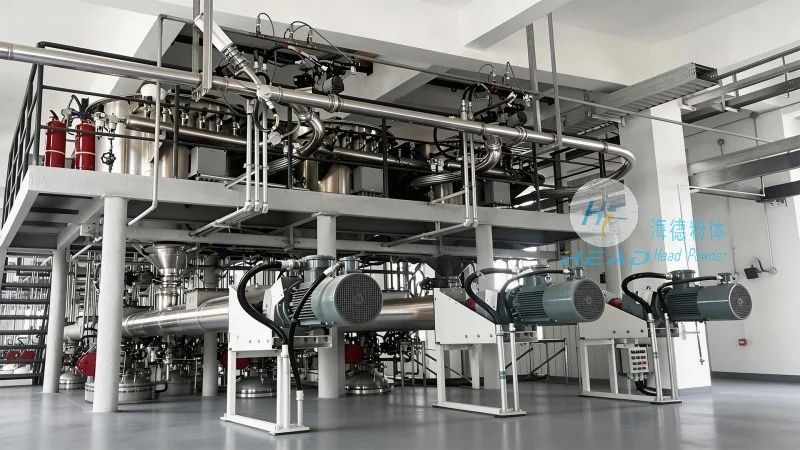
Operation Process Overview
The operation process of an activated carbon granule material handling system generally follows a sequential workflow that ensures efficient material movement and minimal downtime. The process begins with the loading of activated carbon granules into a storage hopper or silo. From there, the material is transferred to the primary conveyor system, which may involve a combination of screw conveyors and bucket elevators to move the granules to the processing or treatment area. The system may also include a control panel that monitors the flow rate, pressure, and other operational parameters to maintain optimal performance. At the destination point, the granules are discharged into a reactor or filter, where they perform their intended function. The system is designed to handle varying loads and material types, ensuring consistent performance under different operational conditions.
Key Components and Their Functions
Several key components contribute to the effective operation of an activated carbon granule material handling system. The storage hopper or silo serves as the initial container for the granules, providing a large capacity to store bulk material. The screw conveyor is a critical component for horizontal transport, using rotating screws to push the granules forward. The bucket elevator, used for vertical transport, lifts the granules from a lower level to a higher level using buckets attached to a rotating chain or belt. Pneumatic conveyors utilize air pressure to move the granules through a pipeline, making them suitable for long-distance or high-rise applications. The control system, often integrated with sensors and indicators, monitors the system's performance and alerts operators to any issues, ensuring safe and efficient operation.
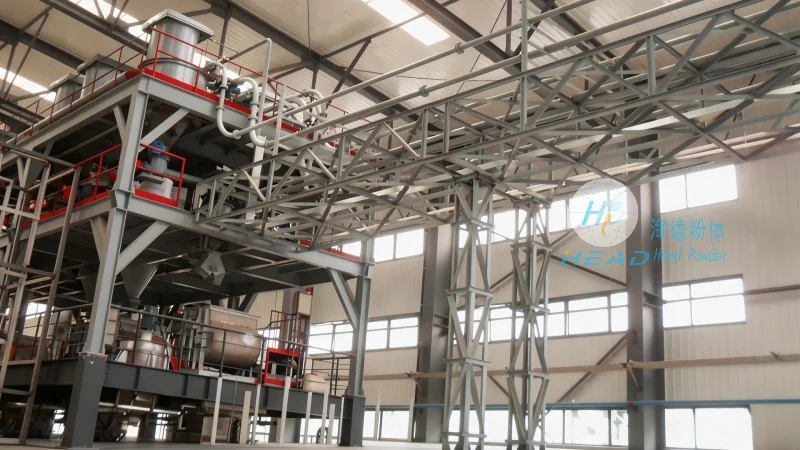
Application Scenarios and Benefits
Activated carbon granule material handling systems are widely used in various industrial applications, including water treatment plants, chemical manufacturing facilities, and air purification systems. The benefits of these systems include improved material handling efficiency, reduced labor costs, and enhanced safety by minimizing manual handling of granular materials. Shandong HeadPowder Engineering Co., Ltd. has successfully implemented these systems in numerous projects, demonstrating their reliability and effectiveness in handling activated carbon granules. The company's expertise in system design and installation ensures that each system is tailored to the specific needs of the client, resulting in optimal performance and long-term value.