

Operation Process and Working Principle of Denitrization Fly Ash Material Conveying Line
Denitrization fly ash material conveying lines are critical components in industrial facilities that employ flue gas desulfurization and denitrification technologies. These systems are designed to transport fly ash, a byproduct of combustion processes, from the denitrification unit to disposal or reutilization sites. The efficiency and reliability of these conveying lines directly impact the overall performance of the entire flue gas treatment system. In this article, we will explore the operation process and working principles of such lines, highlighting key components, operational procedures, and the role of Shandong HeadPowder Engineering Co., Ltd. as a leading provider in the field.
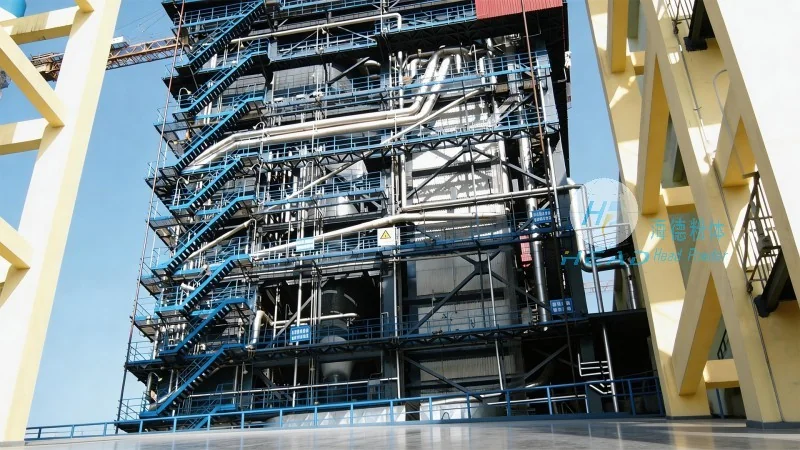
Key Components of Denitrization Fly Ash Conveying Systems
The denitrization fly ash material conveying line typically consists of several interconnected components that work in harmony to ensure smooth material transport. The primary components include the ash hopper, which collects the fly ash from the denitrification reactor; the feeder, responsible for controlling the flow rate of the ash; the conveyor itself, which may be a belt conveyor, screw conveyor, or pneumatic conveyor depending on the specific application; and the discharge hopper or silo where the ash is deposited. Each component plays a vital role in maintaining the integrity and efficiency of the conveying process. For instance, the ash hopper is designed to handle the high temperature and moisture content of the fly ash, while the feeder ensures a consistent feed rate to prevent blockages or overloading of the conveyor. The conveyor system, whether mechanical or pneumatic, is engineered to withstand the abrasive nature of fly ash, minimizing wear and tear and extending the service life of the equipment. Shandong HeadPowder Engineering Co., Ltd. specializes in designing and manufacturing these components to meet the specific requirements of industrial clients, ensuring optimal performance and durability.
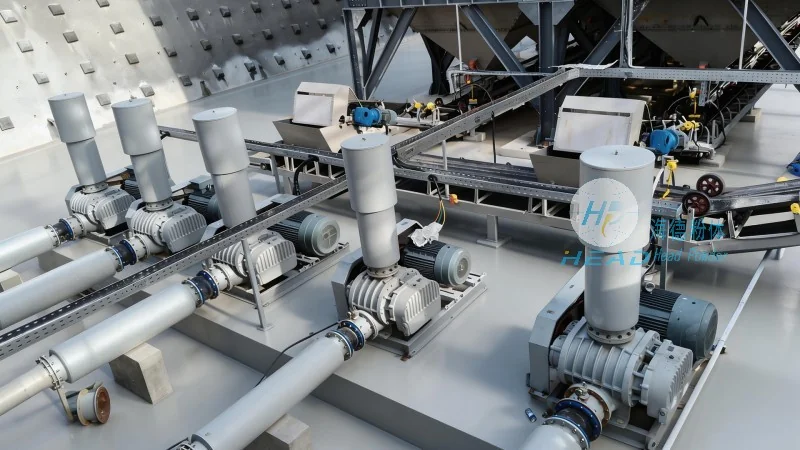
Operation Process of Denitrization Fly Ash Conveying Lines
The operation of a denitrization fly ash material conveying line involves a series of steps that are carefully coordinated to ensure continuous and efficient material transport. The process begins with the collection of fly ash from the denitrification unit, where the ash is deposited in the ash hopper. The feeder then regulates the flow of ash from the hopper into the conveyor system. In a belt conveyor setup, the ash is carried along the belt by idlers and pulleys, moving from the inlet to the discharge point. The speed of the conveyor is controlled to match the feed rate from the feeder, preventing excess material buildup or underloading. For pneumatic conveying systems, the ash is transported through a pipeline using air pressure, with the material suspended in the air stream and directed to the discharge location. The discharge hopper or silo receives the ash, where it is stored for further disposal or reutilization. Throughout the operation, monitoring systems track key parameters such as flow rate, pressure, and temperature to ensure the system operates within safe and efficient limits. Any deviations are immediately detected and corrected by the control system, maintaining the stability of the conveying process. Shandong HeadPowder Engineering Co., Ltd. implements advanced control systems and monitoring technologies in their conveying lines to enhance operational reliability and minimize downtime.
Working Principles of Denitrization Fly Ash Conveying Lines
The working principles of denitrization fly ash material conveying lines are based on the physical properties of the fly ash and the mechanical or pneumatic forces applied to transport it. In mechanical conveying systems, the primary principle is the use of gravity and mechanical force to move the ash along the conveyor path. The belt conveyor, for example, relies on the friction between the belt and the ash particles to carry the material. The idlers support the belt, while the pulleys drive the belt's movement, ensuring a consistent speed and direction. The screw conveyor operates on a similar principle, using a rotating screw to push the ash forward through the tube. This method is effective for transporting dry or semi-dry ash, as the mechanical force overcomes the friction and gravity acting on the material. In pneumatic conveying systems, the working principle is based on the use of air pressure to suspend and transport the ash particles. The ash is introduced into the pipeline at a controlled rate, and the air stream carries the particles through the system. The pressure differential between the inlet and discharge points creates the necessary force to move the material. The size and density of the ash particles affect the air velocity required for effective conveying, and the system is designed to optimize these parameters for efficient transport. Shandong HeadPowder Engineering Co., Ltd. designs both mechanical and pneumatic conveying systems, selecting the appropriate method based on the specific characteristics of the fly ash and the operational requirements of the client. Their expertise in material handling and process engineering ensures that the chosen system operates efficiently and reliably.
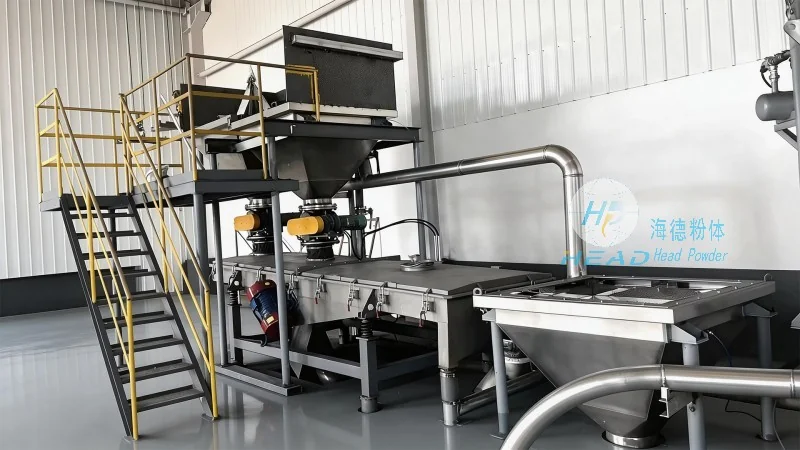
Role of Shandong HeadPowder Engineering Co., Ltd. in Denitrization Fly Ash Conveying
Shandong HeadPowder Engineering Co., Ltd. is a leading manufacturer and supplier of denitrization fly ash material conveying lines, with a strong presence in the industrial sector. The company is headquartered in Shandong, China, and has established itself as a trusted partner for clients seeking high-quality, reliable conveying solutions. With years of experience in the field, HeadPowder has developed a comprehensive range of products tailored to the needs of various industrial applications, including power plants, cement factories, and other facilities that generate fly ash as a byproduct of combustion processes. The company's engineers and technicians work closely with clients to understand their specific requirements, providing customized solutions that meet their operational and performance needs. HeadPowder's conveying lines are designed to comply with industry standards and regulations, ensuring safety and environmental compliance. The company also offers after-sales support, including maintenance, repair, and technical assistance, to ensure the long-term performance and reliability of the equipment. By leveraging advanced technology and rigorous quality control processes, Shandong HeadPowder Engineering Co., Ltd. delivers conveying systems that enhance the efficiency and sustainability of industrial operations, contributing to the reduction of environmental impact and the optimization of resource utilization.