

Operation Process and Working Principle of Gypsum Material Conveying Lines
HeadPowder, a leading provider in the field, specializes in the design, manufacturing, and installation of gypsum material conveying systems. This article delves into the operation process and working principle of such lines, offering insights into the efficiency and reliability of their solutions. Gypsum material conveying lines are essential for industries involved in gypsum processing, construction, and manufacturing, as they ensure the smooth transport of raw materials and finished products.
About HeadPowder
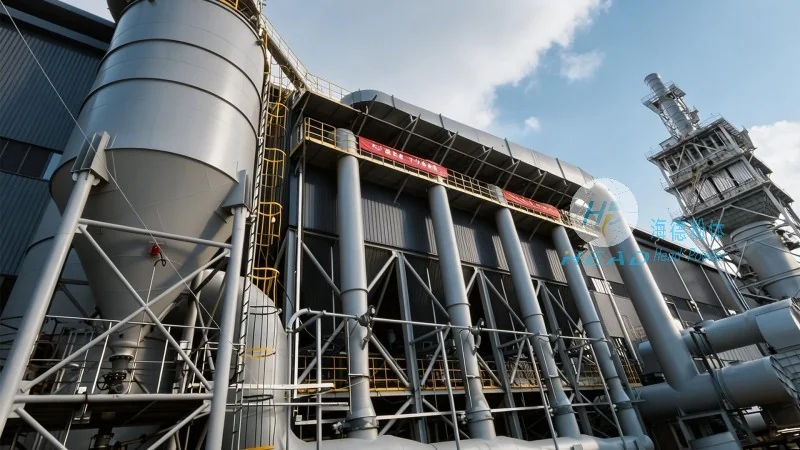
Shandong HeadPowder Engineering Co., Ltd. is dedicated to delivering high-quality material handling solutions. With a focus on innovation and customer satisfaction, the company has established itself as a trusted name in the industry. HeadPowder’s headquarters is located in Shandong, China, where they develop and produce advanced conveying equipment tailored to meet diverse industrial needs. The company’s expertise lies in customizing systems to fit specific operational requirements, ensuring optimal performance and minimal maintenance.
The Operation Process of Gypsum Material Conveying Lines
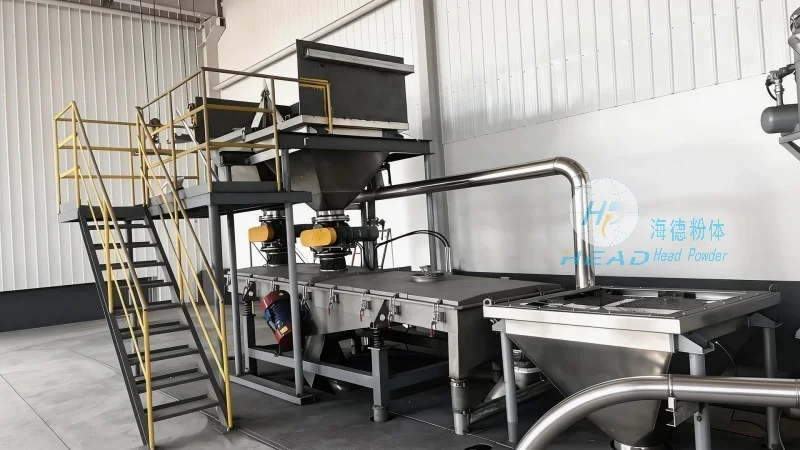
The operation of a gypsum material conveying line typically involves several key stages, each designed to ensure smooth and efficient material transport. The process begins with the loading of gypsum from storage silos or raw material piles. This is often achieved through bulk material feeders or hopper systems that feed the material into the primary conveying equipment. The primary equipment, such as belt conveyors or screw conveyors, then transports the gypsum through the system. The conveying line may include intermediate storage bins or transfer points to regulate the flow and prevent blockages. At the end of the line, the material is discharged into a final storage area or processing unit. Throughout the process, sensors and control systems monitor the flow rate, pressure, and other critical parameters to maintain optimal performance. This automated control ensures that the conveying line operates consistently, minimizing downtime and maximizing productivity. For instance, in a typical gypsum processing plant, the conveying line might start with a hopper that feeds a belt conveyor, which then transports the material to a storage silo. The system is equipped with a variable frequency drive (VFD) to adjust the conveyor speed based on the material flow, ensuring that the silo is filled at a controlled rate.
Working Principle of Gypsum Material Conveying Lines
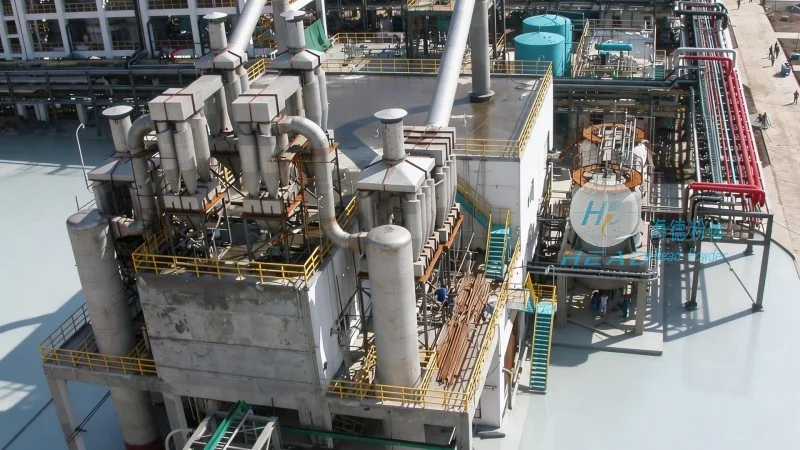
The working principle of gypsum material conveying lines is based on mechanical energy transfer and material handling technology. The system utilizes various components, including feeders, conveyors, and control units, to move gypsum from the source to the destination. The feeders, such as rotary or vibratory feeders, regulate the flow of material into the conveyor. The conveyor, which can be a belt conveyor, screw conveyor, or pneumatic conveyor, then transports the material along a predetermined path. The control system, equipped with sensors and programmable logic controllers (PLCs), manages the operation of the entire line. It adjusts the speed of the conveyor, controls the feed rate, and monitors the system’s performance. This integrated approach ensures that the conveying line operates efficiently, reducing energy consumption and improving overall productivity. The design of the system is tailored to handle the specific characteristics of gypsum, such as its density, moisture content, and flowability, to ensure reliable and consistent operation. For example, the screw conveyor is often preferred for handling gypsum with higher moisture content as it provides better mixing and prevents clogging compared to belt conveyors. The PLC system integrates data from various sensors, such as level sensors and temperature sensors, to make real-time adjustments, ensuring the system operates within safe and efficient parameters.
Key Components and Their Roles
Several key components are integral to the operation of gypsum material conveying lines. The feeders are responsible for controlling the initial flow of material, preventing overloading or underloading of the conveyor. The conveyors, which can be horizontal or inclined, transport the material along the desired path. Intermediate storage bins are used to buffer the material and maintain a steady flow, especially when the downstream process has variable demand. The control system, including sensors and PLCs, ensures that all components work in harmony. For instance, a level sensor in a storage bin triggers the feeder to adjust its speed when the bin reaches a certain level, preventing overflow. This coordination is crucial for maintaining the efficiency of the entire system.
Advantages of Gypsum Material Conveying Lines
Implementing a gypsum material conveying line offers several advantages for industrial operations. Firstly, it enhances productivity by automating the material handling process, reducing the need for manual labor and minimizing downtime. Secondly, it improves safety by eliminating the need for workers to handle heavy or bulky gypsum materials manually. Thirdly, it ensures consistent material quality by maintaining a controlled flow and preventing contamination. Additionally, the automated control systems allow for precise monitoring and adjustment, leading to energy savings and reduced operational costs. These benefits make gypsum material conveying lines a vital component in modern industrial settings.
Conclusion
Gypsum material conveying lines are critical for the efficient operation of industries dealing with gypsum. The operation process involves loading, conveying, intermediate handling, and final discharge, all managed by an automated control system. The working principle relies on mechanical components and integrated control to ensure reliable and consistent performance. Companies like Shandong HeadPowder Engineering Co., Ltd. specialize in designing and manufacturing these systems, providing tailored solutions that meet the specific needs of their clients. By investing in such systems, industries can enhance productivity, improve safety, and reduce operational costs, ultimately contributing to their overall success.