

Several Solutions for Pneumatic Conveying of Desulfurization Fly Ash
Desulfurization fly ash, a byproduct of flue gas desulfurization processes in power plants and industrial facilities, requires efficient and reliable transport methods for handling and disposal. Pneumatic conveying offers a viable solution, and this article explores several effective approaches for transporting desulfurization fly ash using pneumatic systems.
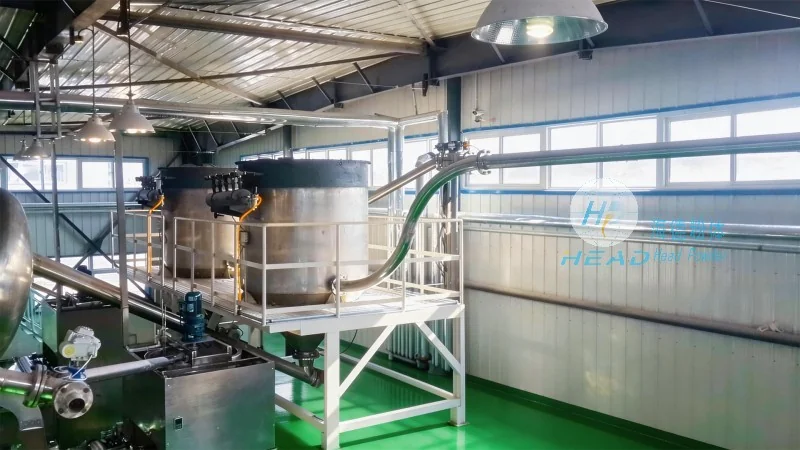
Overview of Pneumatic Conveying Systems
Pneumatic conveying systems utilize air or gas to transport bulk materials like desulfurization fly ash through a pipeline network. These systems are widely adopted due to their ability to handle abrasive materials, minimize dust emissions, and provide a closed-loop transport solution. The primary components of a pneumatic conveying system include a material feed hopper, a conveyor line, a dust collector, and a control system. The choice of system design depends on factors such as material characteristics, distance, and required flow rate.
Option 1: Positive Pressure Conveying
Positive pressure conveying, also known as pressure pneumatic conveying, is a common method for transporting desulfurization fly ash. In this system, air is blown into the conveyor line, creating positive pressure that pushes the material forward. This approach is suitable for short to medium distances and can handle high material loads. The system typically includes a blower or compressor that generates the necessary pressure. Positive pressure conveying is effective for materials with low to moderate moisture content and is less prone to clogging compared to other methods. However, it may require higher energy consumption and more robust equipment to handle abrasive fly ash particles.
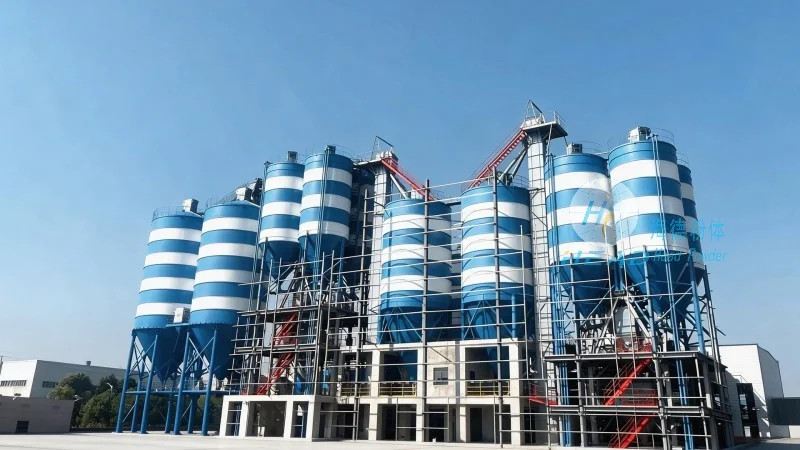
Option 2: Negative Pressure Conveying
Negative pressure conveying, or vacuum pneumatic conveying, operates by creating a vacuum in the conveyor line to draw material from the source. This method is ideal for long-distance transport and can handle materials with higher moisture content. The system uses a vacuum pump to create the negative pressure, which pulls the material through the pipeline. Negative pressure conveying is often preferred for applications where the material needs to be transported from multiple sources or over uneven terrain. It is also suitable for environments where dust containment is critical, as the system draws material into a sealed pipeline. However, it may have limitations in handling very fine or highly abrasive particles, as the vacuum can cause material to stick to the pipeline walls.
Option 3: Hybrid Conveying Systems
Hybrid conveying systems combine elements of both positive and negative pressure methods to optimize performance for specific applications. These systems may use a combination of blowers and vacuum pumps to achieve the desired transport conditions. For example, a hybrid system might use positive pressure to move material from the source to a central point and then switch to negative pressure for the final segment of the transport. This approach allows for flexibility in handling varying material characteristics and distances. Hybrid systems are particularly useful when dealing with complex transport routes or when the material properties change along the pipeline. They can also help reduce energy consumption by matching the pressure requirements to the specific transport needs.
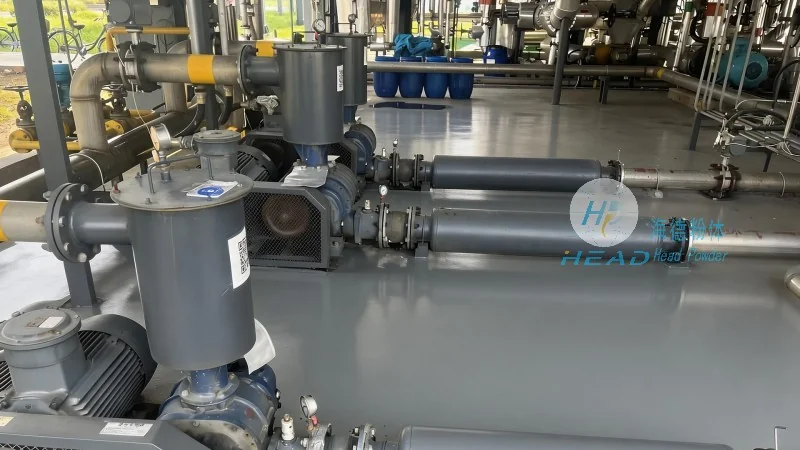
Factors Influencing System Selection
The choice of pneumatic conveying system for desulfurization fly ash depends on several key factors. Material properties, such as particle size, moisture content, and abrasiveness, play a critical role in determining the most suitable method. For instance, fine and dry fly ash may be better suited for positive pressure systems, while wetter or coarser materials might benefit from negative pressure or hybrid systems. The distance and layout of the transport route also influence the system design. Short distances may allow for simpler positive pressure systems, while long distances or complex routes may require more advanced hybrid systems. Additionally, the required flow rate and the need for dust control can impact the system selection. Systems with higher flow rates may need more powerful blowers or vacuum pumps, and dust collection equipment must be integrated to meet environmental regulations.
Equipment and Components for Pneumatic Conveying
Effective pneumatic conveying of desulfurization fly ash requires appropriate equipment and components. Key components include material feeders, which ensure consistent material flow into the conveyor line. Hoppers and silos are used to store the fly ash before transport, and they must be designed to prevent material bridging or caking. Conveyor lines are typically made of corrosion-resistant materials like stainless steel or plastic to withstand the abrasive nature of fly ash. The selection of pipe diameter and material is critical to maintain system efficiency and prevent blockages. Additionally, dust collectors and filters are essential to capture any airborne particles and comply with environmental standards. These components help maintain air quality and protect the equipment from dust accumulation. Control systems, including sensors and automation, are used to monitor and adjust the conveying process in real-time, ensuring optimal performance and minimizing downtime.
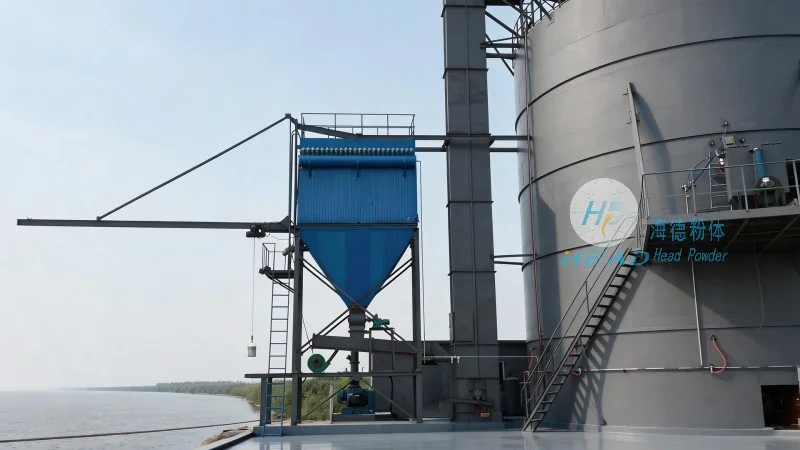
Advantages and Considerations of Pneumatic Conveying
Pneumatic conveying offers several advantages for transporting desulfurization fly ash. One of the primary benefits is the ability to handle abrasive materials without significant wear on the equipment. The closed-loop system minimizes dust emissions, improving safety and environmental compliance. Pneumatic systems can also transport materials over long distances with minimal maintenance compared to other methods like trucks or conveyor belts. However, there are considerations to keep in mind. Pneumatic conveying can be energy-intensive, especially for large-scale operations. The initial investment in equipment and installation can be high, and ongoing maintenance costs may be significant. Additionally, the system's performance can be affected by changes in material properties or operational conditions. Proper system design and regular maintenance are essential to ensure reliable and efficient transport of desulfurization fly ash.
Conclusion
In conclusion, pneumatic conveying provides effective solutions for transporting desulfurization fly ash, with several options available depending on the specific requirements of the application. Positive pressure, negative pressure, and hybrid systems each offer unique advantages and considerations. The choice of system depends on factors such as material characteristics, distance, and operational constraints. Proper equipment selection, system design, and maintenance are crucial for achieving optimal performance and ensuring compliance with environmental regulations. For companies dealing with desulfurization fly ash, understanding these options and selecting the right pneumatic conveying system is essential for efficient material handling and disposal.