

Several Solutions for Pneumatic Conveying of Straw Powder
Straw powder pneumatic conveying is a critical process in agricultural and industrial applications, particularly for the efficient transport of biomass materials. As a leading provider in this field, Shandong HeadPowder Engineering Co., Ltd. offers comprehensive solutions tailored to meet diverse operational needs. This article explores several effective approaches to pneumatic conveying of straw powder, highlighting key considerations and technical aspects.
Understanding the Importance of Pneumatic Conveying for Straw Powder
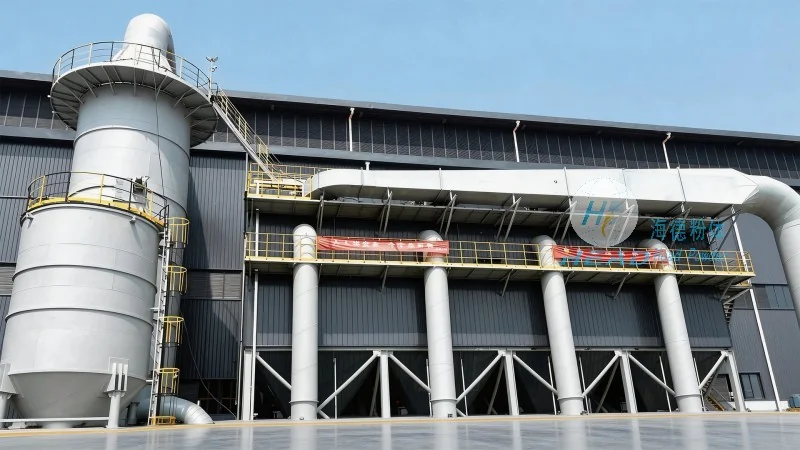
Pneumatic conveying systems are widely used for transporting bulk materials like straw powder due to their efficiency, flexibility, and ability to handle fine powders without degradation. These systems utilize air or gas to move material through a pipeline, eliminating the need for mechanical components such as belts or buckets. For straw powder, which is often lightweight and prone to dust, pneumatic conveying minimizes material loss and ensures a clean, controlled transport process. The choice of conveying method depends on factors like material characteristics, distance, and required throughput, making it essential to select the right system for optimal performance.
Key Considerations in Straw Powder Pneumatic Conveying
Before implementing a pneumatic conveying system for straw powder, several factors must be evaluated to ensure system efficiency and longevity. First, the physical properties of the straw powder, including particle size, moisture content, and bulk density, play a significant role in determining the appropriate conveying velocity and system design. For example, finer particles may require higher air velocities to prevent clogging, while higher moisture content can affect material flow and increase the risk of blockages. Additionally, the distance and elevation changes between the source and destination points influence the system's pressure requirements and energy consumption. Shandong HeadPowder Engineering Co., Ltd. conducts thorough assessments to tailor solutions that address these variables, ensuring reliable operation.
Several Effective Pneumatic Conveying Solutions for Straw Powder
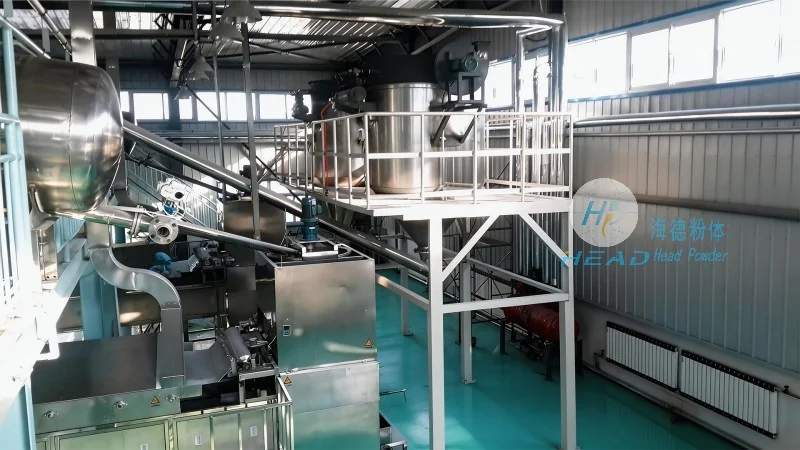
There are multiple pneumatic conveying methods suitable for straw powder, each with distinct advantages and applications. The primary options include pressure and vacuum systems, as well as hybrid approaches. Pressure systems, where air is compressed and introduced at the material source, are ideal for short to medium distances and high throughput. They offer consistent material flow and are less prone to blockages compared to vacuum systems. Vacuum systems, on the other hand, draw material from the source using a vacuum pump, making them suitable for long-distance or low-volume applications. These systems are often more flexible in terms of layout but may require more maintenance and energy input. Hybrid systems combine both pressure and vacuum elements, providing versatility for complex conveying routes.
Pressure Pneumatic Conveying Systems
Pressure pneumatic conveying systems are a popular choice for straw powder transport, especially in scenarios where the material is generated at a central location and needs to be distributed to multiple points. These systems operate by compressing air and injecting it into a pipeline at the material source, creating a positive pressure that pushes the powder forward. The key components include a blower, a hopper with a feeder, and a pipeline network. The blower provides the necessary air pressure, while the feeder controls the material flow rate to maintain consistent conveying. For straw powder, which is often fine and dusty, pressure systems are effective in preventing material degradation and ensuring a smooth transport process. Shandong HeadPowder Engineering Co., Ltd. designs pressure systems with advanced controls to optimize air usage and minimize energy consumption, enhancing overall efficiency.
Vacuum Pneumatic Conveying Systems
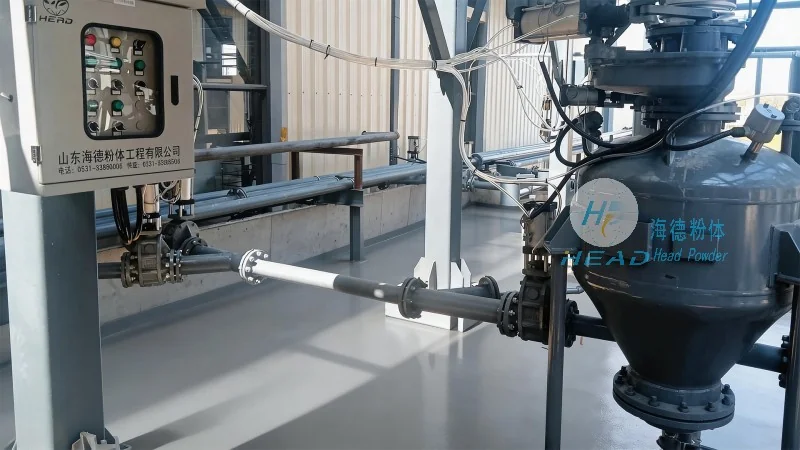
Vacuum pneumatic conveying systems are well-suited for applications requiring long-distance transport or where the material source is located at a higher elevation than the destination. These systems use a vacuum pump to create a negative pressure in the pipeline, drawing the straw powder from the source and moving it towards the collection point. The main components include a vacuum pump, a hopper with a feeder, and a pipeline with collection hoppers at the end. Unlike pressure systems, vacuum systems are more flexible in terms of layout, as they can handle bends and changes in elevation without significant pressure loss. However, they may require more frequent maintenance of the vacuum pump and are generally less efficient for high-volume applications. Shandong HeadPowder Engineering Co., Ltd. offers vacuum systems with robust vacuum pumps and efficient filtration to ensure reliable operation and minimal downtime.
Hybrid Pneumatic Conveying Systems
Hybrid pneumatic conveying systems combine the benefits of both pressure and vacuum approaches, making them ideal for complex conveying scenarios involving multiple source and destination points. These systems typically use a combination of positive and negative pressure zones to transport material efficiently. For example, a pressure system may be used to move material from a central mill to intermediate storage points, while a vacuum system is employed to transport material from those points to final destinations. This hybrid approach allows for flexibility in layout and can optimize energy usage by matching the system design to the specific needs of the operation. Shandong HeadPowder Engineering Co., Ltd. specializes in designing hybrid systems that integrate advanced control technologies to manage pressure and vacuum levels dynamically, ensuring smooth and efficient material transport.
Material Handling and System Integration
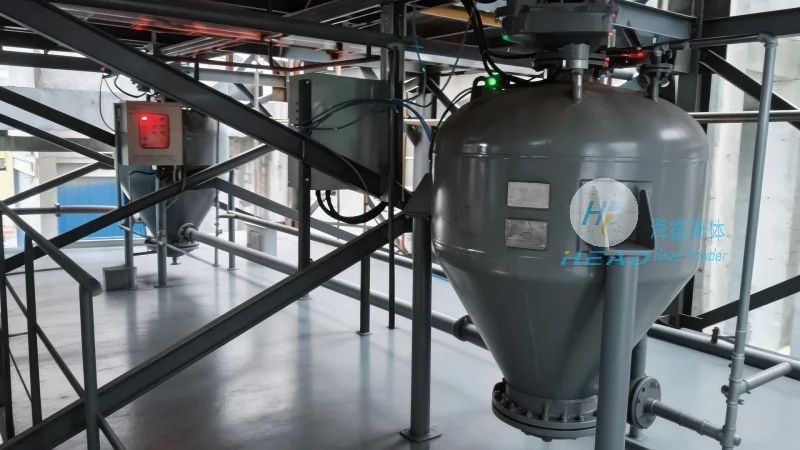
Effective straw powder pneumatic conveying also involves proper material handling and system integration to ensure consistent performance. Key components include hoppers with feeders, which control the material flow rate and prevent overloading the system. Hoppers are designed to accommodate the bulk density of straw powder and minimize material bridging or segregation. Feeders, such as rotary valves or screw conveyors, ensure a steady supply of material to the conveying pipeline. Additionally, filtration systems are critical to maintain air quality and prevent dust accumulation in the system. Shandong HeadPowder Engineering Co., Ltd. incorporates high-efficiency filters and dust collection systems into their designs, ensuring compliance with environmental regulations and maintaining system longevity.
Energy Efficiency and Maintenance Considerations
Energy efficiency and maintenance are crucial factors in the long-term operation of pneumatic conveying systems for straw powder. Shandong HeadPowder Engineering Co., Ltd. focuses on designing systems that minimize energy consumption while maximizing throughput. This includes selecting appropriate blower or vacuum pump sizes, optimizing air velocity, and using energy-efficient components. Regular maintenance is also essential to prevent system failures and ensure consistent performance. The company provides comprehensive maintenance services, including routine inspections, component replacement, and troubleshooting, to keep systems running smoothly. By prioritizing energy efficiency and maintenance, Shandong HeadPowder Engineering Co., Ltd. helps clients reduce operational costs and extend the lifespan of their pneumatic conveying systems.
Conclusion
In conclusion, pneumatic conveying offers a reliable and efficient method for transporting straw powder, with several solutions available to meet different operational requirements. Whether using pressure, vacuum, or hybrid systems, the key is to select the right approach based on material properties, distance, and throughput needs. Shandong HeadPowder Engineering Co., Ltd. provides tailored solutions that address these factors, ensuring optimal performance and minimal downtime. With their expertise in pneumatic conveying systems, the company helps clients enhance their material handling processes and achieve greater efficiency in straw powder transport.