

Several Solutions for Cellulose Pneumatic Conveying
Cellulose, a primary component of plant cell walls, is widely used in various industries such as paper manufacturing, food processing, and pharmaceuticals. The efficient and reliable transportation of cellulose materials is crucial for optimizing production processes and reducing operational costs. Pneumatic conveying, a method that uses air or gas to transport bulk materials, offers several advantages over traditional mechanical conveying systems. This article explores different approaches to cellulose pneumatic conveying, highlighting the key considerations and solutions provided by Shandong HeadPowder Engineering Co., Ltd.
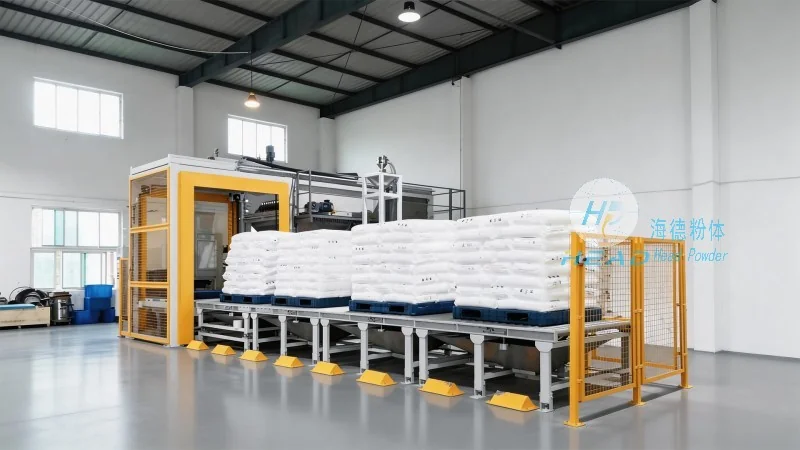
Understanding Pneumatic Conveying Systems
Pneumatic conveying systems operate by transporting solid materials through a pipeline using air or gas as the conveying medium. There are two main types of pneumatic conveying: dilute-phase and dense-phase. Dilute-phase systems use high-velocity air to move materials in a dispersed state, while dense-phase systems use lower air velocities to create a plug flow, reducing material degradation and wear on equipment. For cellulose, which is often fine and abrasive, the choice of system depends on the material's properties, such as particle size, moisture content, and flowability.
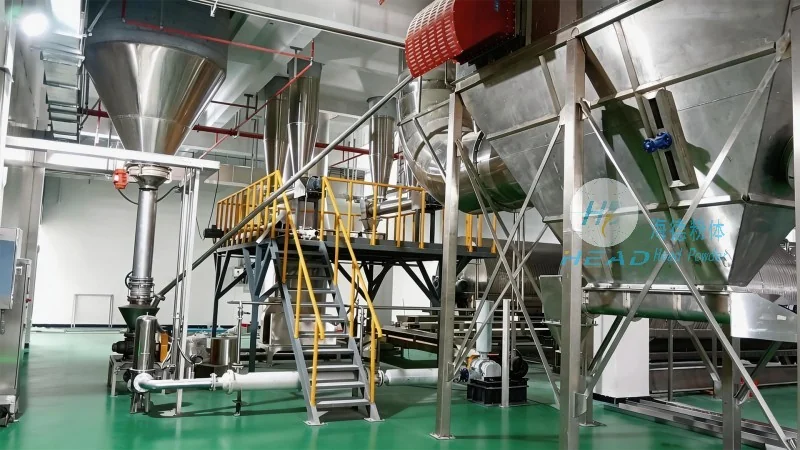
Key Considerations for Cellulose Pneumatic Conveying
When designing a pneumatic conveying system for cellulose, several factors must be considered to ensure optimal performance. First, the material's particle size distribution is critical. Fine cellulose particles may require higher air velocities to prevent blockages, while larger particles can be conveyed more efficiently with lower velocities. Second, moisture content affects the material's flowability; higher moisture levels can cause clumping and increase the risk of system clogging. Third, the system's pressure and air flow rate must be carefully calibrated to maintain consistent material transport without excessive energy consumption. Shandong HeadPowder Engineering Co., Ltd. specializes in customizing pneumatic conveying solutions that address these challenges, ensuring reliable and efficient cellulose transport for various industrial applications.
Common Pneumatic Conveying Solutions for Cellulose
There are several common pneumatic conveying solutions used for cellulose, each with its own advantages and applications. One of the most widely used is the positive displacement blower system, which uses a rotary lobe or screw compressor to create a positive pressure, ensuring consistent material flow. This system is particularly effective for conveying fine cellulose powders over long distances without degradation. Another solution is the venturi system, which uses a high-velocity air stream to draw material into the pipeline. Venturi systems are often used for short-distance conveying and are cost-effective for low-volume applications. For applications requiring high material handling capacity, a combination of positive displacement and venturi systems may be employed, providing flexibility and efficiency. Shandong HeadPowder Engineering Co., Ltd. offers these and other customized solutions tailored to the specific needs of cellulose processing facilities.
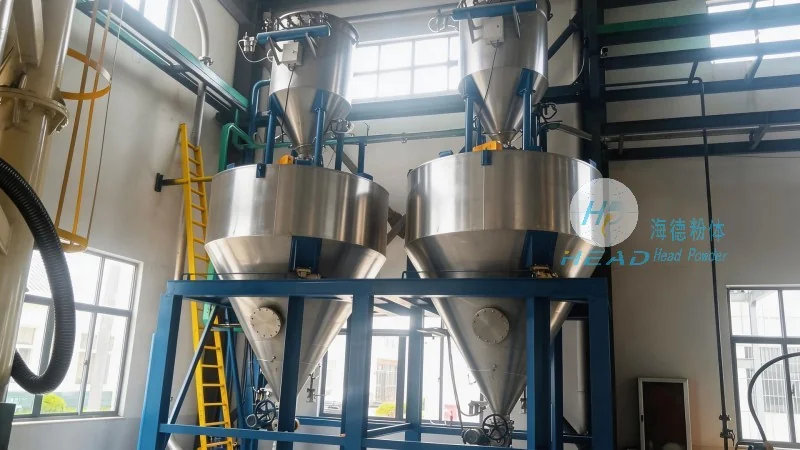
Advantages of Pneumatic Conveying for Cellulose
Pneumatic conveying offers several advantages over traditional mechanical conveying methods for cellulose. First, it eliminates the need for moving parts in the conveying line, reducing maintenance costs and the risk of material contamination. Second, the system can be designed to handle abrasive materials like cellulose without significant wear, extending equipment life. Third, pneumatic conveying allows for the integration of material handling with other processes, such as drying or mixing, improving overall process efficiency. Additionally, the system can be easily scaled to accommodate changes in production volume, making it suitable for both small-scale and large-scale operations. Shandong HeadPowder Engineering Co., Ltd. emphasizes these benefits in its design and implementation of pneumatic conveying systems for cellulose, ensuring clients achieve optimal performance and cost savings.