

Several Solutions for Pneumatic Conveying of Coke Particles
HeadPowder, a leading provider of bulk material handling solutions, specializes in the design and implementation of efficient pneumatic conveying systems for various industrial applications. With years of experience in the field, the company has developed expertise in handling challenging materials like coke particles, which require specialized equipment and systems to ensure reliable transport. This article explores several effective solutions for pneumatic conveying of coke particles, highlighting the advantages and considerations of each method, with a focus on practical applications and operational efficiency.
Pneumatic Conveying Basics and Key Considerations
Before delving into specific solutions, it is essential to understand the fundamental principles of pneumatic conveying. This technology involves transporting bulk materials through a pipeline using a gas stream, typically air or a combination of air and other gases. The primary goal is to move the material from the source to the destination without the need for mechanical components like belts or buckets. For coke particles, which are often coarse and have specific physical properties, selecting the right conveying system is crucial to ensure minimal degradation, low maintenance, and optimal energy efficiency.
Option 1: Positive Pressure Pneumatic Conveying System
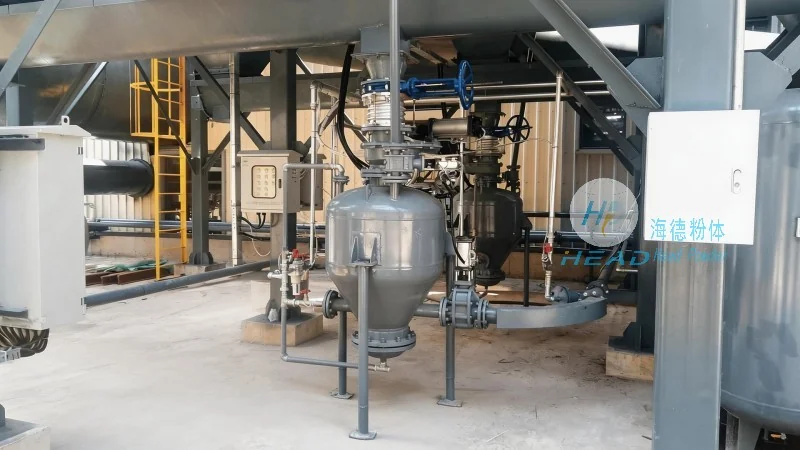
One of the most common solutions for coke particle transport is the positive pressure pneumatic conveying system. In this setup, air is supplied under pressure at the material inlet, creating a flow that pulls the particles into the pipeline. The system typically includes a hopper, a rotary valve for material feeding, a pressure vessel or blower, and a pipeline network leading to the discharge point. The positive pressure system is particularly effective for conveying materials over moderate distances, typically up to several hundred meters, and is well-suited for applications where the material is relatively dry and free-flowing. A key advantage of this method is its ability to handle abrasive particles like coke without excessive wear on the equipment. However, it may require higher energy input compared to other systems, especially for long-distance conveying. The positive pressure system is also suitable for applications where the discharge point is at a higher elevation than the inlet, as the pressure can assist in lifting the material.
Option 2: Negative Pressure (Vacuum) Pneumatic Conveying System
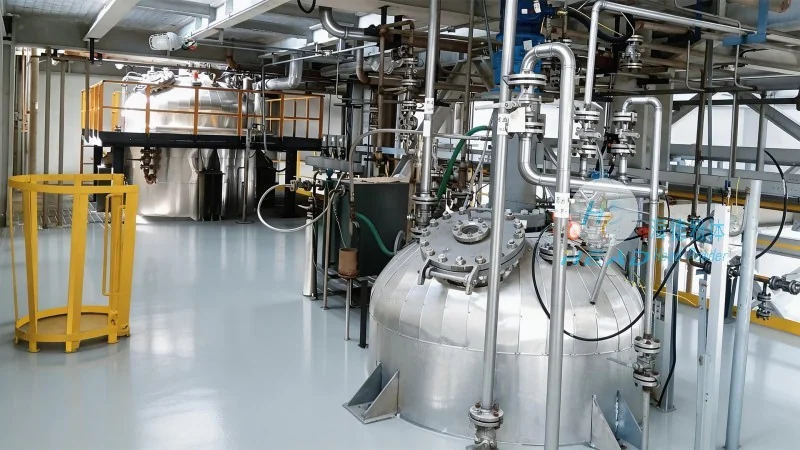
Conversely, the negative pressure or vacuum pneumatic conveying system operates by creating a low-pressure environment at the discharge end, which draws the material from the source into the pipeline. This method is ideal for conveying materials over longer distances or when the discharge point is at a lower elevation than the inlet. The system consists of a vacuum pump, a hopper, a rotary valve, and a pipeline that leads from the source to the discharge point. The vacuum system is particularly effective for handling fine or dusty materials, as the low pressure helps to minimize dust generation and improve material handling. For coke particles, this system can be advantageous when dealing with materials that are prone to dusting or when the conveying distance is significant. However, it may be less efficient for very coarse or heavy particles, as the vacuum may not provide sufficient force to move them through the pipeline. Additionally, the vacuum system requires careful maintenance to prevent air leaks, which could compromise the conveying efficiency.
Option 3: Hybrid or Mixed-Pressure Pneumatic Conveying System
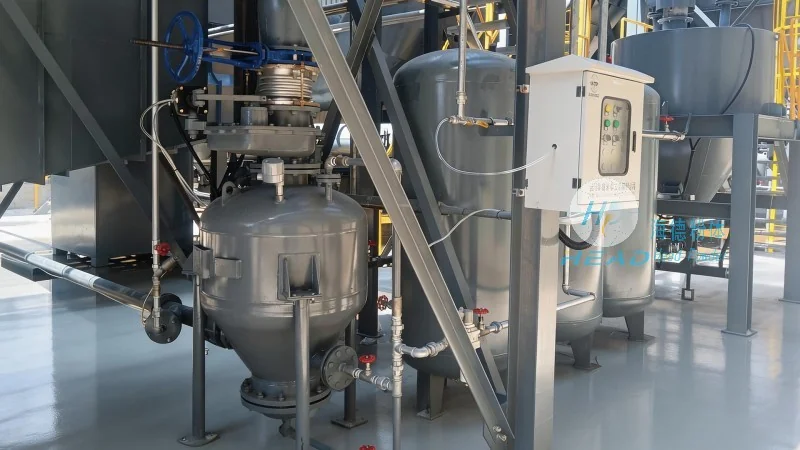
For applications that demand flexibility and the ability to handle a wide range of particle sizes and flow rates, a hybrid or mixed-pressure pneumatic conveying system may be the optimal choice. This system combines elements of both positive and negative pressure systems, allowing for adjustable pressure levels throughout the pipeline. The hybrid system typically features a blower at the inlet to provide initial pressure, while a vacuum pump at the discharge end helps to maintain the flow. This approach is particularly useful when the conveying distance varies or when the material characteristics change during operation. The hybrid system offers better control over the conveying process, enabling operators to adjust the pressure and flow rates as needed. It is especially suitable for coke particle transport in industrial settings where multiple destinations or varying production rates are common. However, the complexity of the system may require more sophisticated control mechanisms and higher initial investment compared to simpler systems.
Factors Influencing the Choice of Pneumatic Conveying Solution
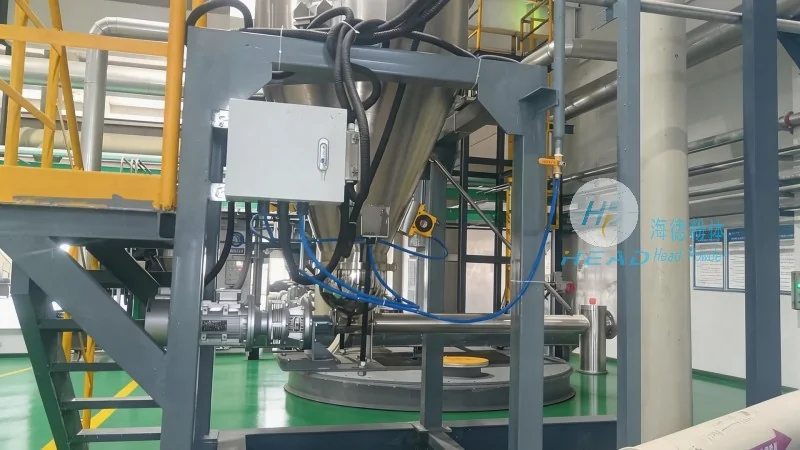
When selecting a pneumatic conveying system for coke particles, several factors must be carefully considered to ensure the best performance and cost-effectiveness. The first factor is the particle size and shape. Coarse, irregularly shaped coke particles may require higher air velocities and larger pipeline diameters to prevent blockages. Conversely, finer particles may be more susceptible to dusting and require additional measures to control air leakage. The second factor is the moisture content of the material. Wet or damp coke particles can lead to caking or agglomeration, which can impede the conveying process. In such cases, a positive pressure system with higher air temperatures or a drying step before conveying may be necessary. The third factor is the conveying distance and elevation changes. Longer distances or significant elevation changes will impact the choice between positive and negative pressure systems, as well as the required pressure levels. The fourth factor is the environmental considerations, such as dust control and noise reduction. Modern pneumatic conveying systems often incorporate dust collection and filtration systems to minimize environmental impact, which is particularly important for coke particles that may be considered pollutants in some regions. Finally, the operational costs, including energy consumption, maintenance requirements, and system reliability, play a crucial role in the decision-making process. A well-designed system should balance these factors to provide long-term efficiency and cost savings.
Conclusion and Recommendations
Choosing the right pneumatic conveying solution for coke particles is a critical decision that impacts the overall efficiency and profitability of industrial operations. By understanding the different options available—such as positive pressure, negative pressure, and hybrid systems—and considering the specific characteristics of the material and operational requirements, businesses can select a system that maximizes performance while minimizing costs. For companies dealing with coke particle transport, it is advisable to consult with experienced engineers and manufacturers, such as Shandong HeadPowder Engineering Co., Ltd., to evaluate the most suitable solution for their needs. With the right system in place, pneumatic conveying can provide a reliable, efficient, and cost-effective method for transporting coke particles, ensuring smooth operations and optimal productivity in the industrial sector.