

Several Solutions for Pneumatic Conveying of Feed Pellets
For businesses in the feed industry, efficiently transporting feed pellets is a critical operation that impacts production efficiency and product quality. Pneumatic conveying offers a reliable and effective method to move these materials, and there are several approaches to consider based on specific operational needs. This article explores different solutions for pneumatic conveying of feed pellets, highlighting the key factors that influence the choice of system.
Understanding Pneumatic Conveying Systems
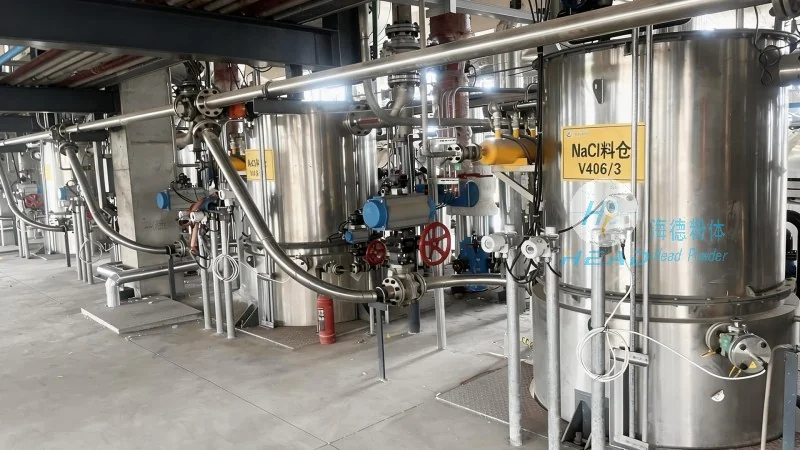
Pneumatic conveying systems use air or gas to transport bulk materials like feed pellets through a pipeline. These systems are designed to handle various particle sizes and flow rates, making them suitable for feed processing facilities. The primary advantage of pneumatic conveying is its ability to transport materials without mechanical contact, reducing wear and tear on equipment and minimizing product contamination. There are two main types of pneumatic conveying: pressure and vacuum systems, each with distinct applications and benefits.
Option 1: Positive Pressure Conveying
Positive pressure conveying systems operate by blowing air or gas into the pipeline, creating a pressure differential that moves the feed pellets forward. This method is ideal for long-distance or high-capacity applications, as it can maintain consistent flow rates over extended distances. The system typically includes a blower, a hopper for material storage, and a pipeline network. Positive pressure systems are often used in feed mills where large volumes of pellets need to be transported from storage to processing areas. The equipment from Shandong HeadPowder Engineering Co., Ltd. (headpowder) is designed to handle these demands, ensuring reliable and efficient material transport. The company’s expertise in engineering custom solutions allows for the optimization of positive pressure systems to meet specific operational requirements, such as varying feed rates or pipeline lengths.
Option 2: Vacuum Conveying
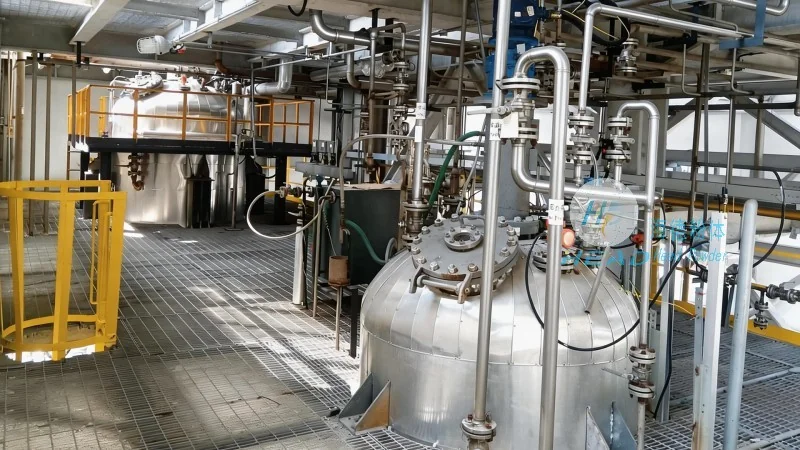
Vacuum conveying systems, on the other hand, create a negative pressure in the pipeline by drawing air and material from a collection point. This method is well-suited for short-distance or low-volume applications, such as moving feed pellets from a storage bin to a processing machine. The system includes a vacuum pump, a collection hopper, and a pipeline. Vacuum conveying is particularly effective for handling fine or dusty materials, as it can control the flow and prevent material spillage. For feed processing facilities, vacuum systems are often used in areas where space is limited or where the need for gentle material handling is critical. The technology from headpowder is designed to ensure efficient and clean conveying, minimizing the risk of product degradation or contamination.
Option 3: Hybrid Conveying Systems
Hybrid conveying systems combine elements of both positive and vacuum pressure systems to offer flexibility and adaptability. These systems use a combination of blowers and vacuum pumps to transport materials over varying distances and with different flow rates. Hybrid systems are ideal for complex feed processing operations where multiple material handling points are required. For example, a feed mill might use a hybrid system to transport pellets from a storage silo to a mixing area and then to a packaging line. The ability to switch between pressure and vacuum modes allows for optimized energy use and reduced operational costs. The engineering solutions from Shandong HeadPowder Engineering Co., Ltd. incorporate advanced control systems that enable seamless transitions between modes, ensuring smooth and efficient material flow throughout the process.
Key Considerations for Choosing a Pneumatic Conveying Solution
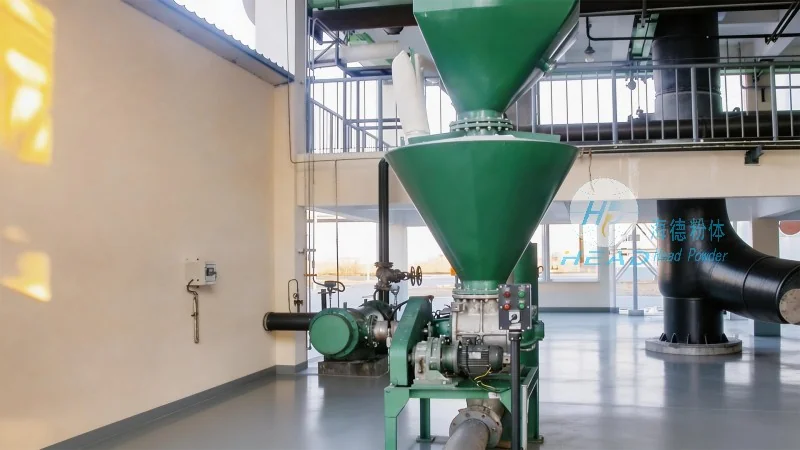
When selecting a pneumatic conveying system for feed pellets, several factors must be considered to ensure optimal performance and cost-effectiveness. The first consideration is the distance and capacity requirements. For long-distance transport, positive pressure systems are generally more efficient, while vacuum systems are better for short distances. The particle size and density of the feed pellets also play a role, as finer or denser materials may require higher air velocities or different pipeline designs. The layout of the facility and available space are additional factors, as the system must fit within the existing infrastructure. Finally, the budget and operational goals of the business are important, as different systems have varying upfront costs and long-term maintenance requirements. By carefully evaluating these factors, feed processing facilities can choose the most suitable pneumatic conveying solution that meets their specific needs.
Conclusion and Company Expertise
Pneumatic conveying offers a versatile and efficient method for transporting feed pellets, and the choice of system depends on the specific operational requirements of the facility. Whether using positive pressure, vacuum, or hybrid systems, the goal is to ensure reliable, clean, and cost-effective material transport. Shandong HeadPowder Engineering Co., Ltd. (headpowder), with its headquarters in Shandong, China, specializes in designing and manufacturing custom pneumatic conveying solutions tailored to the feed industry. The company’s engineering expertise and commitment to quality ensure that their systems meet the highest standards of performance and durability. By leveraging the right pneumatic conveying solution, feed processing facilities can enhance their operational efficiency, reduce downtime, and improve overall product quality. The solutions provided by headpowder are designed to adapt to the evolving needs of the feed industry, providing long-term value and reliability.