

[LITHIUM OXIDE PNEUMATIC CONVEYING EQUIPMENT: AN OVERVIEW OF ITS STRUCTURE AND WORKING PRINCIPLE]
As a specialized manufacturer in the field of powder handling technology, Shandong HeadPowder Engineering Co., Ltd. provides advanced solutions for the transportation of lithium oxide and other fine powders. The lithium oxide pneumatic conveying equipment is a critical component in industrial processes that require efficient and reliable material transfer. This article aims to provide a comprehensive overview of the equipment's structure and working principle, highlighting its key features and applications.
Key Components of Lithium Oxide Pneumatic Conveying Equipment
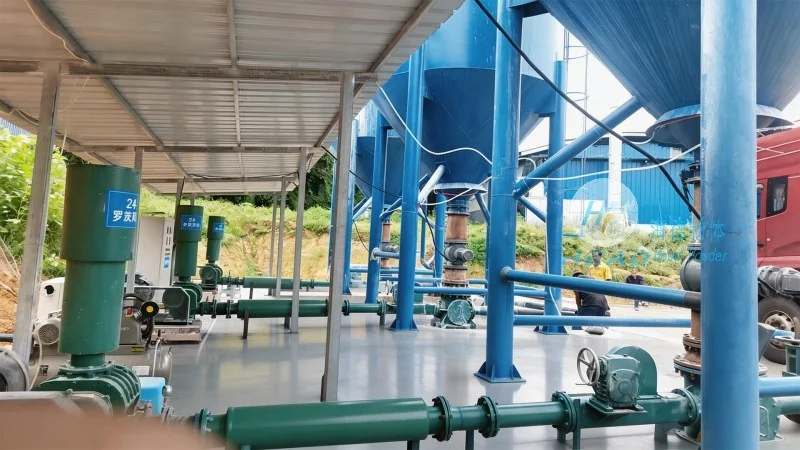
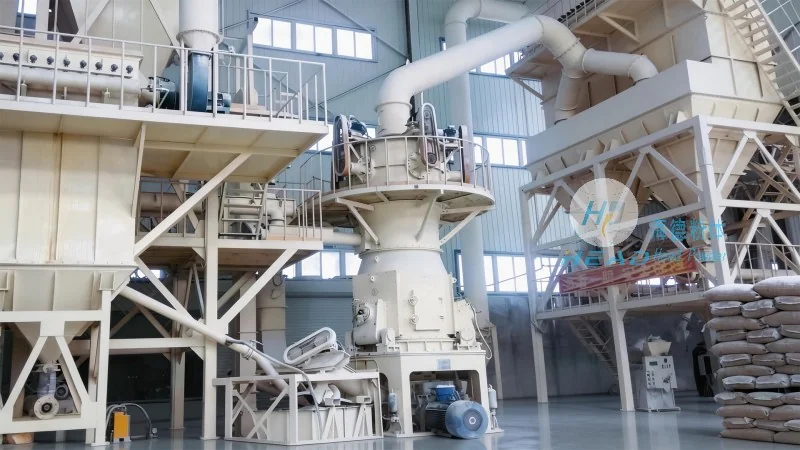
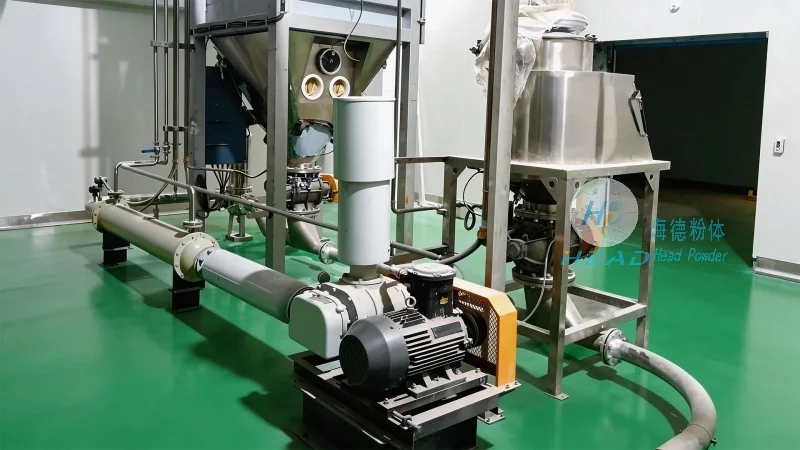
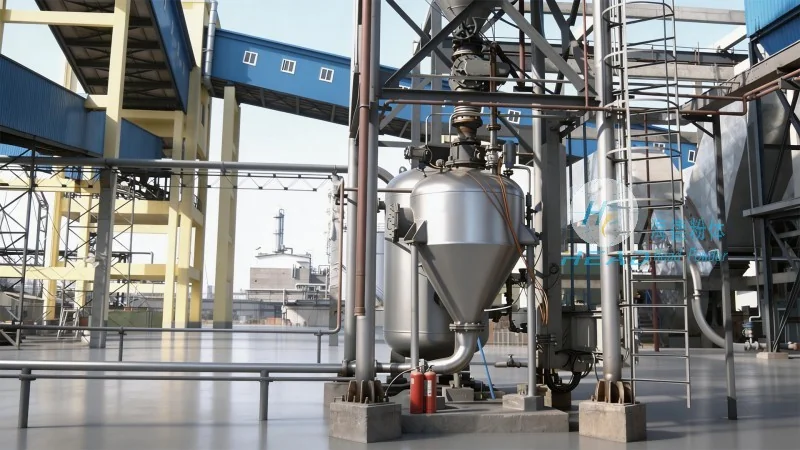
The lithium oxide pneumatic conveying system comprises several critical components that work together to facilitate the efficient transfer of fine powders. The primary components include the material hopper, feeding mechanism, conveying pipeline, and receiving container. The hopper is a large, airtight container designed to store the lithium oxide powder, providing a stable and controlled feed source. It is typically equipped with a lid and a discharge port that connects to the feeder. The feeder, often a rotary airlock valve or a screw feeder, regulates the flow of powder from the hopper into the conveying line. The rotary airlock valve, for instance, uses a rotating drum with slots to allow powder to pass through while preventing air from escaping, ensuring a consistent and controlled discharge rate. The conveying pipeline is usually made of stainless steel or PTFE-coated materials to resist corrosion and prevent powder adhesion. The pipeline is designed with bends and elbows that are carefully angled to minimize pressure loss and prevent particle segregation. The receiver, where the material is deposited, is equipped with a dust collection system, such as a cyclone or a bag filter, to capture any fine particles and maintain air quality. The system may also include a pressure regulator and a filter to ensure the air used in the conveying process is clean and free from contaminants.