

Introduction to Corn Flour Pneumatic Conveying System Equipment: Overview of Structure and Working P
Efficient material handling is a critical factor in the corn flour processing industry, and pneumatic conveying systems have emerged as a preferred solution for transporting corn flour and related powders. These systems offer advantages such as low maintenance, minimal product contamination, and the ability to handle a wide range of particle sizes. Among the leading manufacturers in this field is Shandong HeadPowder Engineering Co., Ltd., commonly known as HeadPowder, which specializes in the design and production of advanced corn flour pneumatic conveying equipment. This article provides an overview of the equipment, its structural components, and the underlying working principles that enable its effective operation.
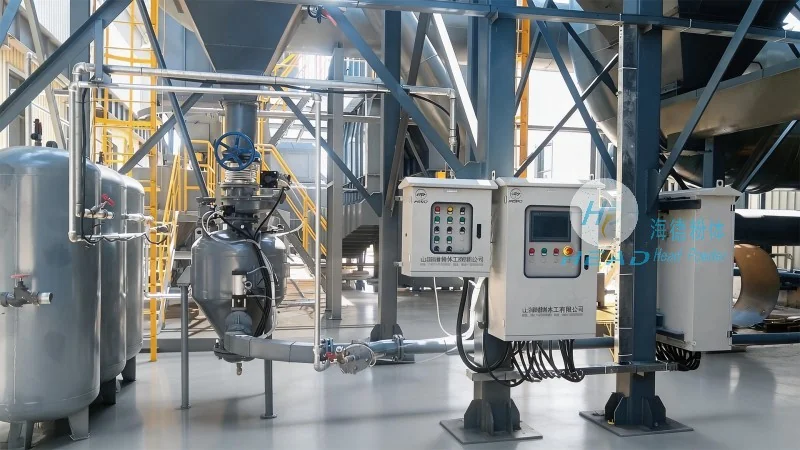
Company Profile: Shandong HeadPowder Engineering Co., Ltd.
HeadPowder is a reputable engineering company based in Shandong, China. The company has established itself as a key player in the production of pneumatic conveying systems tailored for the corn flour industry. With a focus on innovation and customer satisfaction, HeadPowder delivers high-quality equipment that meets the specific needs of its clients. The company's headquarters and manufacturing facilities are located in Shandong, providing a strong foundation for its operations and product development. By leveraging advanced technology and a deep understanding of the industry, HeadPowder ensures that its corn flour pneumatic conveying systems are reliable, efficient, and cost-effective.
Structural Components of the Corn Flour Pneumatic Conveying System
The corn flour pneumatic conveying system developed by HeadPowder consists of several key components that work in tandem to achieve seamless material transport. The primary components include the feeding unit, the conveying pipeline, the separation and collection system, and the control panel. Each component plays a crucial role in the overall operation of the system.
Firstly, the feeding unit is responsible for introducing the corn flour into the system. This unit typically includes a hopper and a rotary valve or a screw feeder, which ensures a consistent and controlled flow of material into the conveying pipeline. The design of the feeding unit is critical to prevent blockages and maintain the integrity of the corn flour, as it is sensitive to handling conditions.
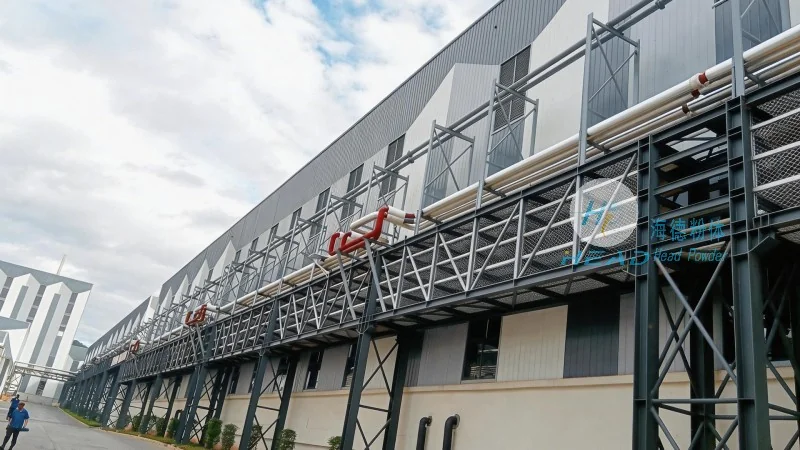
Secondly, the conveying pipeline is the main channel through which the corn flour is transported. The pipeline is usually made of stainless steel or other corrosion-resistant materials to withstand the abrasive nature of the corn flour and to maintain hygiene standards. The pipeline is equipped with bends and elbows that are designed to minimize pressure losses and ensure smooth flow. The system may also include expansion joints to accommodate thermal movements and prevent damage to the pipeline.
Thirdly, the separation and collection system is responsible for separating the conveying air from the corn flour and collecting the product. This system typically consists of a cyclone separator or a bag filter, which uses centrifugal force to separate the solid particles from the air. The separated corn flour is then collected in a storage bin or a silo, while the air is either vented to the atmosphere or recycled back into the system. The design of the separation system is crucial to ensure high efficiency and minimal product loss.
Finally, the control panel is the brain of the system, which monitors and controls the operation of all components. The control panel includes sensors and controllers that regulate the flow of material, the pressure in the pipeline, and the operation of the separation system. The system may also include alarms and safety features to prevent accidents and ensure the safety of the operators.
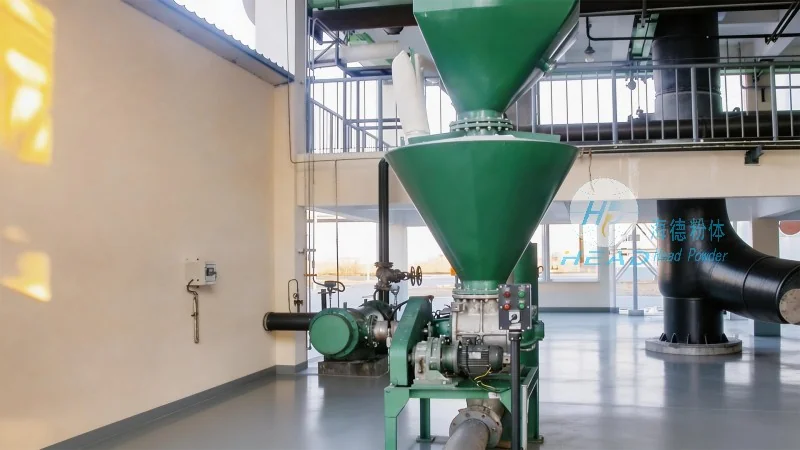
Working Principle of the Corn Flour Pneumatic Conveying System
The operation of the corn flour pneumatic conveying system is based on the principle of air movement. The system uses a fan or a blower to generate a flow of air, which is then introduced into the conveying pipeline. The air flow creates a negative pressure in the pipeline, which draws the corn flour from the feeding unit into the pipeline. The corn flour is then carried by the air flow to the separation and collection system, where it is separated from the air and collected.
The working principle can be broken down into several stages. Initially, the corn flour is fed into the system through the feeding unit. The rotary valve or screw feeder ensures a steady flow of material into the pipeline. The air is then introduced into the pipeline, creating a flow that moves the corn flour along the pipeline. The air flow is controlled by the fan or blower, which adjusts the pressure and flow rate to match the requirements of the system.
As the corn flour travels through the pipeline, it encounters bends and elbows, which may cause some turbulence. However, the design of the pipeline and the use of appropriate materials minimize these effects and ensure smooth flow. The separation system then captures the corn flour from the air stream, using centrifugal force to separate the solid particles from the air. The collected corn flour is then stored in a container, while the air is either vented or recycled. The control panel monitors all aspects of the operation, ensuring that the system runs efficiently and safely.
Key Features and Advantages of HeadPowder's Corn Flour Pneumatic Conveying System
HeadPowder's corn flour pneumatic conveying system offers several key features and advantages that make it an ideal choice for the corn flour processing industry. One of the main advantages is its high efficiency, which allows for the rapid and continuous transport of large quantities of corn flour. The system is also designed to minimize product loss and contamination, which is critical for maintaining the quality of the final product.
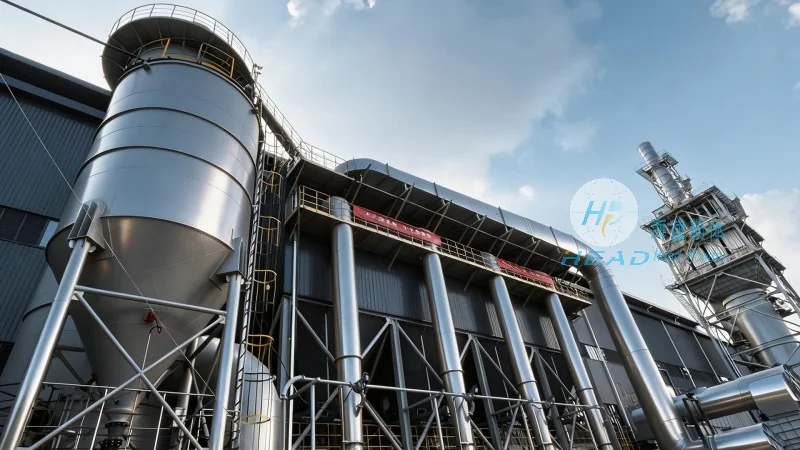
Another key feature is the system's low maintenance requirements. The components are designed to be durable and long-lasting, reducing the need for frequent repairs and replacements. The system also includes advanced control features that allow for easy monitoring and adjustment of the operation, ensuring optimal performance.
The system is also highly adaptable, with the ability to handle different types of corn flour and other powders. The design can be customized to meet the specific needs of each client, ensuring that the system is tailored to the individual requirements of the operation. Additionally, the system is designed to be energy-efficient, reducing operating costs and environmental impact.
Conclusion
In conclusion, the corn flour pneumatic conveying system developed by Shandong HeadPowder Engineering Co., Ltd. is a highly effective and reliable solution for the transport of corn flour and related powders. The system's structural components and working principles are designed to ensure efficient and safe operation, while the company's expertise and commitment to quality ensure that the equipment meets the highest standards. For businesses in the corn flour processing industry, HeadPowder's pneumatic conveying system offers a superior solution for material handling, enhancing productivity and maintaining product quality.