

Introduction to Soybean Cake Powder Conveying: Structure and Principle Overview
HeadPowder Engineering, a leading manufacturer based in Shandong, China, specializes in the design and production of efficient powder conveying systems tailored for industries handling soybean cake and other bulk materials. This article provides a comprehensive overview of the soybean cake powder conveying systems, focusing on their structural design and operational principles to help users understand the technology behind these essential industrial equipment.
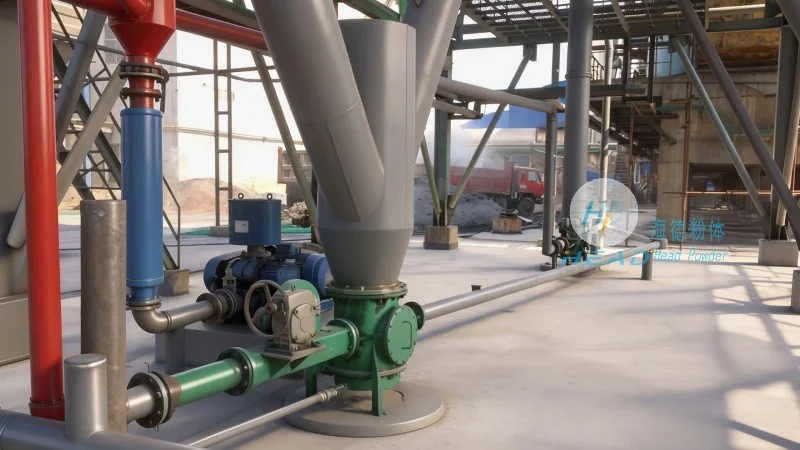
Company Profile: HeadPowder Engineering
HeadPowder Engineering Co., Ltd. is a professional enterprise dedicated to the research, development, and manufacturing of advanced powder handling solutions. With a strong commitment to quality and innovation, the company has established itself as a reliable partner for businesses in the agricultural and food processing sectors. Headquartered in Shandong, China, HeadPowder Engineering leverages years of industry experience to deliver high-performance conveying systems that meet the stringent requirements of modern production lines.
Understanding Soybean Cake Powder Conveying Systems
Soybean cake, a byproduct of soybean oil extraction, is widely used in animal feed and other industrial applications. The efficient transportation of this bulk material from storage to processing units is crucial for maintaining production efficiency and minimizing operational costs. Powder conveying systems, such as pneumatic or mechanical conveyors, are commonly employed to handle soybean cake. These systems ensure that the material is moved safely, reliably, and in compliance with industry standards.
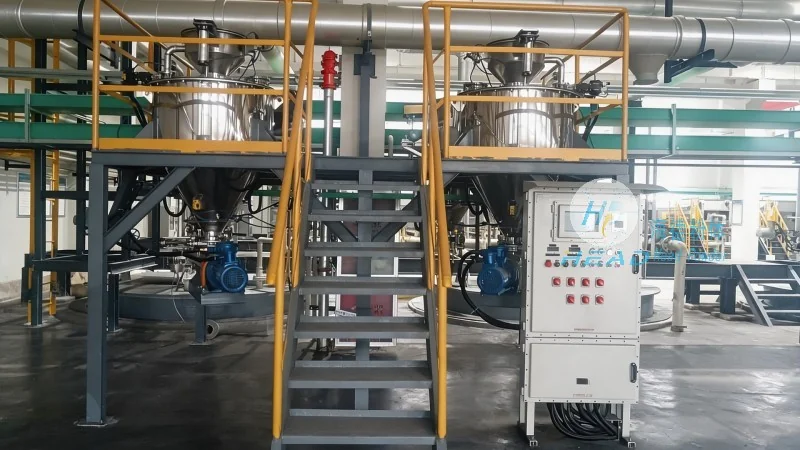
Structural Components of Soybean Cake Powder Conveying Systems
The soybean cake powder conveying system typically consists of several key components that work in tandem to achieve effective material transport. The main structural elements include the hopper, which serves as the material storage and feeding unit; the conveyor pipe or duct, which carries the powder through the system; the air compressor or fan, which provides the necessary airflow for pneumatic conveyors; and the control system, which regulates the operation of the entire setup. Each component is designed to withstand the mechanical and environmental stresses associated with handling soybean cake, ensuring long-term durability and performance.
Working Principle of the Conveying System
The operational principle of a soybean cake powder conveying system revolves around the movement of material under the influence of air pressure or mechanical force. In pneumatic conveying systems, the air compressor generates high-pressure air that is introduced into the conveyor pipe. As the air flows through the pipe, it lifts and transports the soybean cake particles, moving them from the hopper to the discharge point. The velocity and pressure of the air are carefully controlled to ensure that the material is conveyed without degradation or blockage. Mechanical conveyors, on the other hand, use rotating components like screws or belts to push the material through the system. This method is particularly suitable for materials that are more abrasive or have higher moisture content.
Advantages of Using HeadPowder Engineering's Conveying Systems
HeadPowder Engineering's soybean cake powder conveying systems offer several advantages that make them ideal for industrial applications. Firstly, the systems are designed for high efficiency, minimizing energy consumption while maximizing material throughput. The robust construction ensures that the equipment can handle the abrasive nature of soybean cake without frequent maintenance or replacement of parts. Additionally, the modular design allows for easy integration into existing production lines, reducing downtime during installation. The company also provides customized solutions to meet the specific needs of each client, ensuring that the conveying system is optimized for their unique operational requirements.
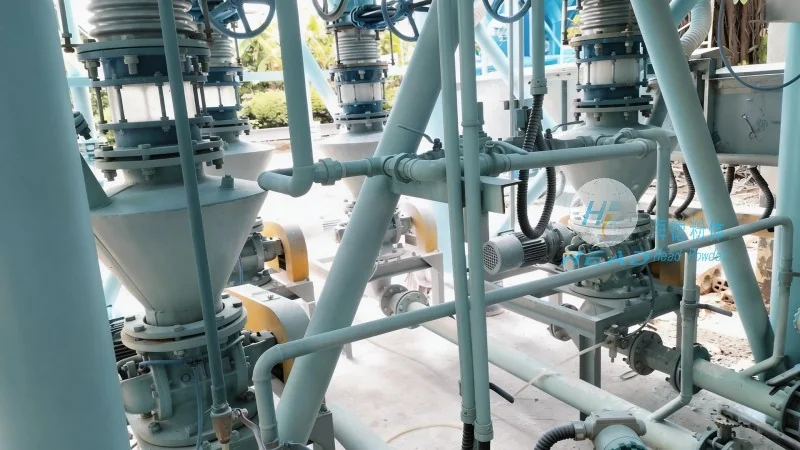
Applications and Industries Served
The soybean cake powder conveying systems manufactured by HeadPowder Engineering are widely used in various industries, including animal feed production, food processing, and agricultural processing. In animal feed manufacturing, the efficient transport of soybean cake is essential for maintaining consistent feed quality and production rates. The systems are also used in food processing facilities to move raw materials to processing units, ensuring a smooth workflow. Furthermore, the systems are applicable in agricultural processing plants where soybean cake is used as a fertilizer or feed additive. The versatility of these conveying systems makes them a valuable asset for businesses operating in these sectors.
Conclusion
HeadPowder Engineering's soybean cake powder conveying systems represent a reliable and efficient solution for the transportation of bulk materials in industrial settings. By understanding the structural design and operational principles of these systems, users can make informed decisions about their material handling needs. With a focus on quality, innovation, and customer satisfaction, HeadPowder Engineering continues to provide top-tier conveying solutions that enhance productivity and operational efficiency for businesses worldwide.