

[Rice Powder Conveying: An Overview of Structure and Working Principles]
HeadPowder, a leading provider in the field of material handling solutions, specializes in the design and manufacturing of efficient rice powder conveying systems. This article provides a comprehensive overview of the structural components and operational principles of rice powder conveying equipment, highlighting the technical advancements and practical applications that make these systems essential in modern agricultural processing and material transport industries.
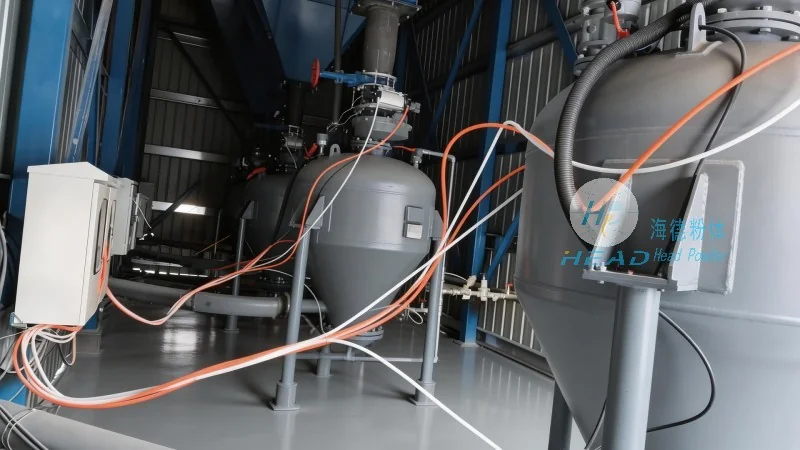
Company Profile: Shandong HeadPowder Engineering Co., Ltd.
HeadPowder is a professional enterprise headquartered in Shandong, China. The company focuses on the research, development, and production of advanced powder conveying technologies, catering to the diverse needs of the agricultural, food processing, and industrial sectors. With a commitment to innovation and quality, HeadPowder has established itself as a trusted partner for businesses seeking reliable and efficient solutions for handling rice powder and other fine particulate materials.
Understanding Rice Powder Conveying Systems
Rice powder conveying systems are engineered to transport rice powder and similar fine powders from one location to another with precision and minimal loss. These systems are critical in the rice processing industry, where efficient handling of raw materials and intermediate products is essential for maintaining production efficiency and product quality. The design of these systems addresses challenges such as dust control, material flow consistency, and system durability, ensuring reliable operation in demanding environments.
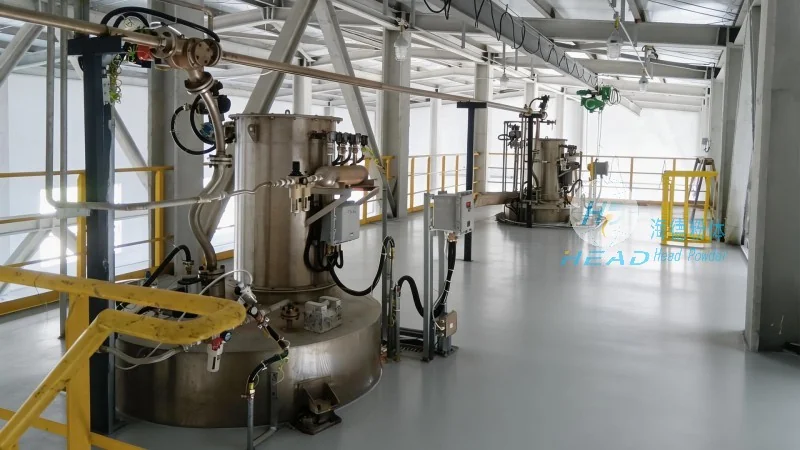
Key Structural Components of Rice Powder Conveying Equipment
The rice powder conveying system typically consists of several integrated components that work in harmony to achieve effective material transport. The primary components include the feeding hopper, which serves as the initial point of material intake and storage; the conveying mechanism, which may involve pneumatic or mechanical systems to move the powder; and the discharge outlet, which directs the material to its final destination. Each component is designed with specific features to optimize performance and adapt to the unique characteristics of rice powder, such as its fine particle size and potential for static electricity.
Working Principles of Rice Powder Conveying
The operational principle of rice powder conveying systems varies depending on the specific technology employed. Common methods include pneumatic conveying, where compressed air is used to transport the powder through a pipeline, and mechanical conveying, such as screw conveyors or belt conveyors, which use mechanical force to move the material. In pneumatic systems, the rice powder is drawn into the conveying line by the air flow, while mechanical systems rely on the rotation of screws or belts to push the powder forward. Both methods are designed to maintain the integrity of the rice powder, preventing agglomeration or degradation during transport.
Advantages of Modern Rice Powder Conveying Solutions
Modern rice powder conveying systems offer several advantages that enhance operational efficiency and product quality. These include improved dust control measures, which reduce the risk of contamination and improve workplace safety; enhanced material flow control, allowing for precise regulation of the conveying rate; and increased system durability, with components designed to withstand the abrasive nature of rice powder. Additionally, advanced control systems enable remote monitoring and adjustment of the conveying process, providing operators with real-time data to optimize performance and minimize downtime.
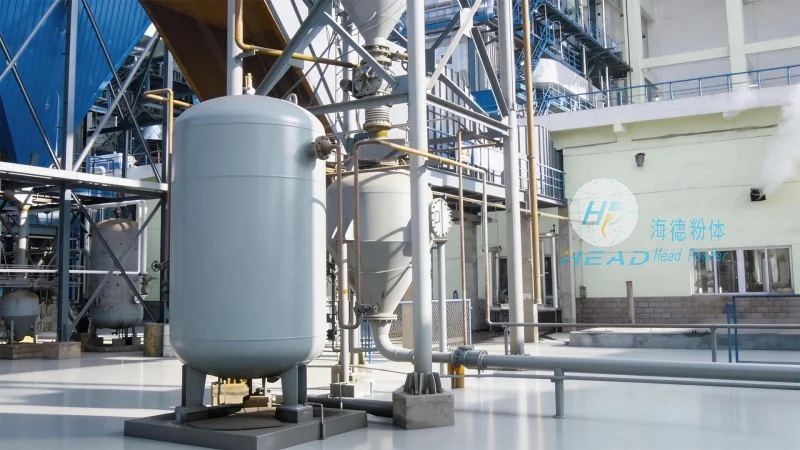
Applications and Industry Impact
Rice powder conveying systems are widely used in various stages of rice processing, from raw material handling to the production of rice flour and other value-added products. The efficiency of these systems directly impacts the overall productivity of rice processing facilities, as they enable seamless integration of different processing steps and reduce the need for manual handling, which can be labor-intensive and prone to errors. By ensuring consistent and reliable material transport, rice powder conveying systems contribute to higher product yields and improved quality control in the rice industry.
Conclusion
HeadPowder's expertise in rice powder conveying systems reflects the company's dedication to providing high-quality, reliable solutions for the agricultural and industrial sectors. The structural design and operational principles of these systems are tailored to meet the specific demands of rice powder handling, ensuring efficient, safe, and cost-effective material transport. As the industry continues to evolve, HeadPowder remains committed to innovation, developing advanced technologies that enhance the performance and sustainability of rice powder conveying solutions.