

Introduction to Organic Salt Powder Handling Systems: Structure and Working Principles
Organic salt powder handling systems are critical components in various industrial applications, particularly in sectors that rely on the efficient and safe transportation of bulk materials. These systems are designed to manage the flow of organic salts, which are often used in chemical processing, pharmaceutical manufacturing, and food production. The proper design and operation of such systems are essential to ensure product integrity, minimize material loss, and maintain a safe working environment. This article provides an overview of the key components, structural design, and working principles of organic salt powder handling systems, with a focus on the expertise and solutions offered by Shandong HeadPowder Engineering Co., Ltd.
Key Components of Organic Salt Powder Handling Systems
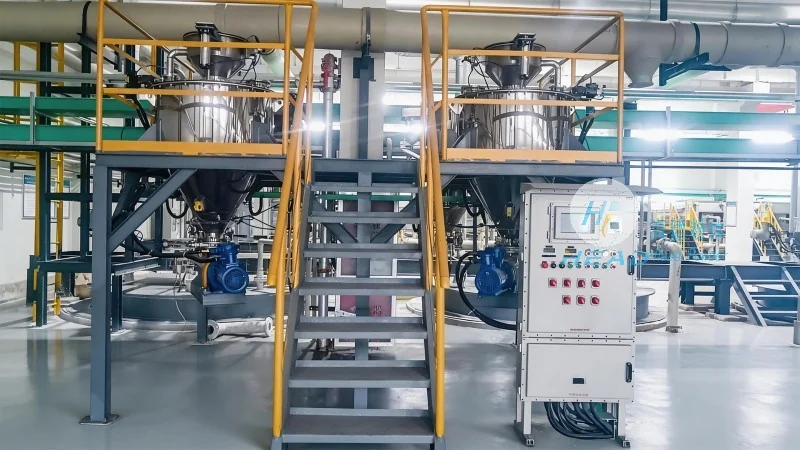
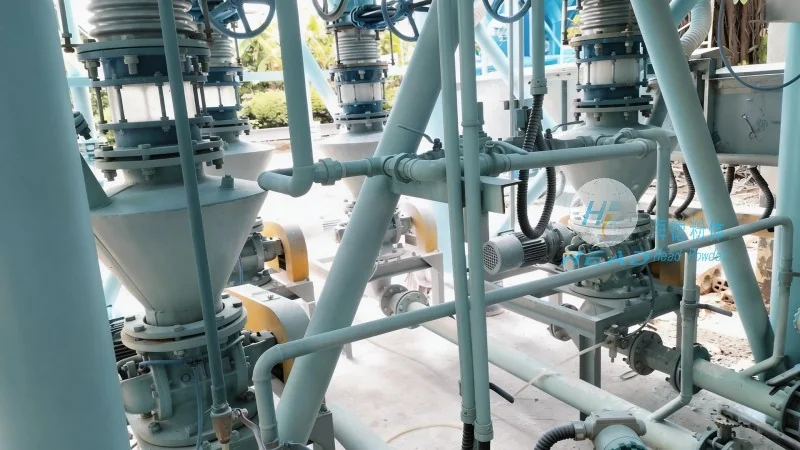
The organic salt powder handling system typically consists of several interconnected components that work in harmony to achieve efficient material transport. The primary components include a hopper for material storage, a feeder to control the flow rate, a conveyor system for transporting the powder, and a discharge mechanism for delivering the material to the next stage of processing. Each component plays a crucial role in maintaining the integrity of the organic salt and ensuring smooth operation. The hopper is designed to hold a sufficient quantity of material, preventing clogging and ensuring a consistent feed to the feeder. The feeder, often a rotary or vibratory type, regulates the flow rate based on the system's requirements, preventing overfeeding or underfeeding that could lead to system inefficiencies or product degradation. The conveyor system, which may include screw conveyors, belt conveyors, or pneumatic systems, transports the organic salt from the feeder to the discharge point. The discharge mechanism, such as a rotary valve or a gate valve, controls the release of the material to the downstream equipment. Together, these components form a cohesive system that optimizes the handling of organic salts while minimizing operational risks.
Structural Design Principles
The structural design of organic salt powder handling systems is tailored to the specific properties of the organic salts being handled. Factors such as particle size, moisture content, and flowability are considered to ensure the system can handle the material without issues like bridging, caking, or segregation. The hopper is often designed with a conical or wedge-shaped bottom to facilitate material flow and prevent the formation of dead zones where material can accumulate and harden. The feeder is positioned at the bottom of the hopper to ensure a uniform flow of material. The conveyor system is constructed with materials that are resistant to corrosion and wear, as organic salts can be abrasive and may contain chemicals that could degrade standard materials. For example, stainless steel or special alloys are commonly used for components that come into direct contact with the organic salt. The system is also designed to be compact and space-efficient, suitable for integration into existing industrial facilities. The structural integrity of the system is critical to withstand the weight of the stored material and the forces generated during operation. Engineers at Shandong HeadPowder Engineering Co., Ltd. employ advanced design software and material science knowledge to develop systems that meet the specific needs of their clients, ensuring durability and long-term performance.
Working Principles and Operational Efficiency
The working principle of an organic salt powder handling system involves the sequential operation of its components to transport the material from the storage hopper to the discharge point. The process begins with the material being fed into the hopper from a bulk storage silo or a production line. The feeder then regulates the flow rate, controlling how much material is released into the conveyor system. The conveyor transports the material to the discharge mechanism, which opens to release the material into the next processing stage, such as a mixer, reactor, or packaging line. The system operates continuously or in batches, depending on the production requirements. The control system, which may include sensors and programmable logic controllers (PLCs), monitors key parameters such as flow rate, pressure, and temperature to ensure the system operates within safe and efficient parameters. This automation helps to maintain consistent product quality and reduces the risk of human error. The efficiency of the system is measured by factors such as throughput, energy consumption, and material loss. A well-designed system minimizes energy use while maximizing the amount of material transported per unit of time. The use of advanced materials and design techniques also helps to reduce maintenance costs and downtime, contributing to overall operational efficiency. Shandong HeadPowder Engineering Co., Ltd. focuses on optimizing these operational aspects to provide systems that deliver high performance and reliability for their clients.
Application in Industrial Settings
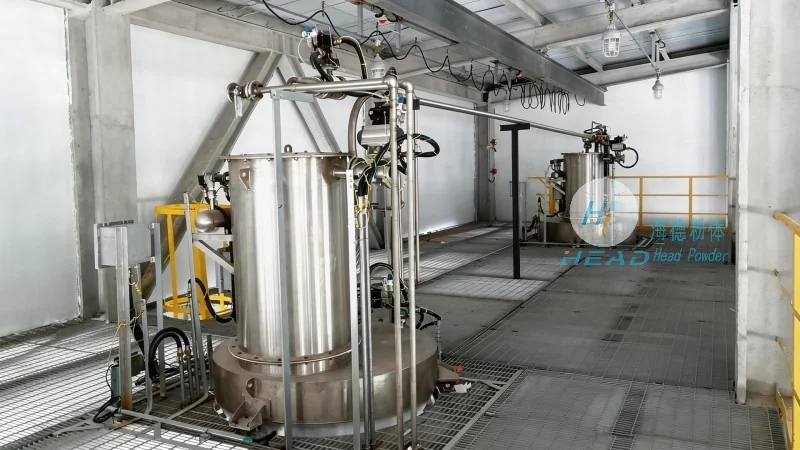
Organic salt powder handling systems are widely used in various industrial settings where bulk organic salts are processed. In the chemical industry, these systems are used to transport salts such as sodium carbonate, potassium chloride, or calcium chloride, which are essential raw materials for producing chemicals, fertilizers, and other products. In the pharmaceutical industry, the systems handle organic salts used in drug formulations, ensuring that the active ingredients are mixed and processed safely and efficiently. The food industry also utilizes these systems for handling salts used in food processing, such as sodium bicarbonate or potassium sorbate, where product purity and safety are paramount. The versatility of organic salt powder handling systems makes them suitable for a wide range of applications, from small-scale laboratory operations to large-scale industrial production lines. The systems are designed to be adaptable, allowing for modifications to accommodate different material types or production volumes. This flexibility is a key advantage for industries that may need to switch between different organic salts or adjust their production rates. The systems also contribute to overall operational safety by minimizing the risk of dust explosions or material spills, which are common hazards in powder handling operations. By implementing these systems, industries can improve their production efficiency, reduce costs, and enhance product quality.
Customization and Solutions by Shandong HeadPowder Engineering Co., Ltd.
Shandong HeadPowder Engineering Co., Ltd., commonly known as headpowder, specializes in the design, manufacturing, and installation of organic salt powder handling systems tailored to the specific needs of their clients. The company leverages its expertise in material handling engineering to develop customized solutions that address the unique challenges faced by each industry. When designing a system, the engineers at headpowder conduct a thorough analysis of the client's requirements, including the type of organic salt, production volume, and operational environment. This analysis helps to determine the optimal components and structural design for the system. The company uses advanced computational fluid dynamics (CFD) and simulation tools to model the behavior of the organic salt within the system, ensuring that the design is efficient and effective. The materials used in the construction of the system are carefully selected to withstand the specific properties of the organic salt, such as corrosion resistance or wear resistance. For example, if the organic salt is acidic, the system components may be coated with a corrosion-resistant material to extend their lifespan. The company also provides comprehensive installation and commissioning services, ensuring that the system is properly set up and operates as intended. After installation, headpowder offers maintenance and support services to ensure the system continues to perform at its best. The company's commitment to quality and customer satisfaction has made it a trusted partner for many industries, providing reliable and efficient organic salt powder handling systems. With its headquarters in Shandong, China, headpowder serves clients both domestically and internationally, delivering high-quality solutions that meet the global standards of industrial material handling.