

Types, Features, and Application Ranges of Glass Beads Pneumatic Conveying
Glass beads pneumatic conveying is a critical technology in material handling, offering efficient and flexible solutions for transporting glass beads. This article explores the types, features, and application ranges of glass beads pneumatic conveying systems, providing insights into their operational principles and practical uses.
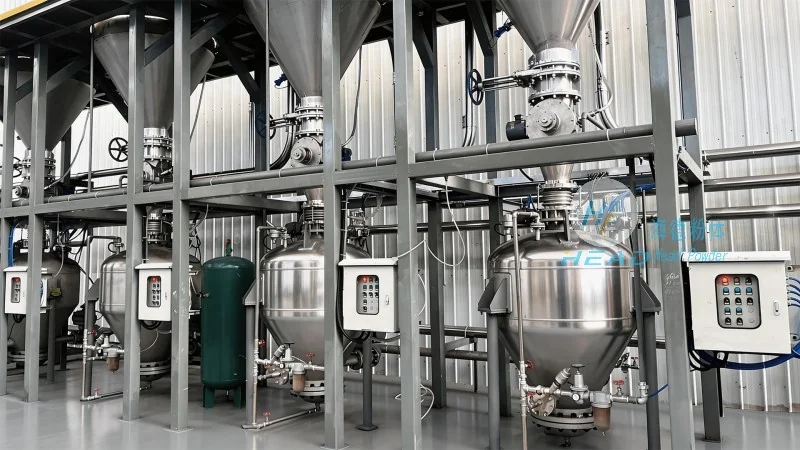
HeadPowder, a leading manufacturer in the field, specializes in developing advanced pneumatic conveying solutions tailored to the unique needs of glass beads. With a strong presence in Shandong, China, the company combines technical expertise and engineering excellence to deliver reliable and efficient conveying systems.
Types of Glass Beads Pneumatic Conveying Systems
There are primarily two main types of glass beads pneumatic conveying systems: suction (or vacuum) conveying and pressure (or positive) conveying. Each type has distinct characteristics and is suitable for different operational scenarios.
Suction Conveying Systems
This system uses a vacuum to draw glass beads from the source to the destination. It is ideal for applications where the material is to be transported over short to medium distances and where the material is relatively light. The key features of suction conveying include low initial cost, simplicity in design, and the ability to handle materials with low to moderate moisture content. However, it has limitations in terms of maximum conveying distance and material capacity compared to pressure systems.
Pressure Conveying Systems
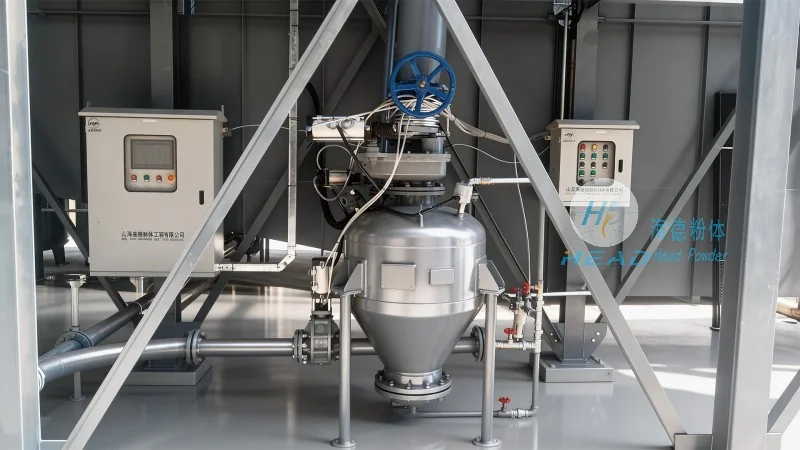
In contrast, pressure conveying systems use compressed air to push glass beads through the pipeline. This method is suitable for longer distances and higher material loads. The advantages of pressure systems include higher conveying capacity, ability to handle abrasive materials, and better control over the material flow. Pressure conveying is often preferred in industrial settings where large volumes of glass beads need to be transported efficiently.
Specialized Conveying Systems
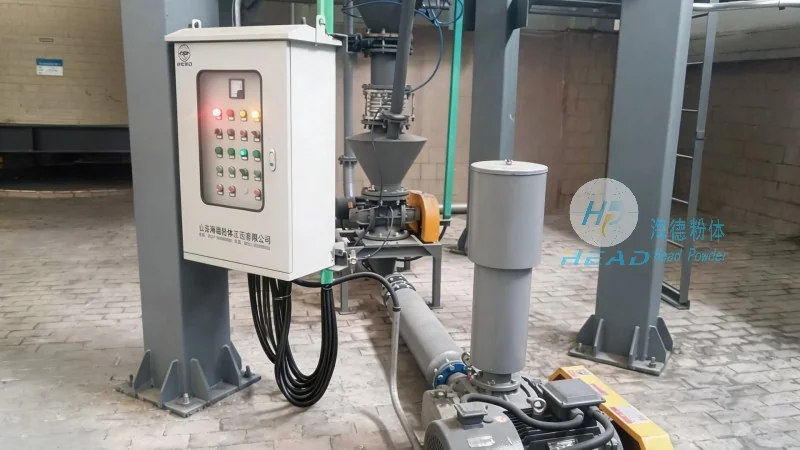
Beyond the basic types, there are also specialized systems such as combined suction and pressure conveying, which offer flexibility by combining the benefits of both methods. Additionally, some systems incorporate features like cyclone separators or filters to ensure the purity of the conveyed glass beads, preventing contamination and maintaining product quality.
Application Ranges of Glass Beads Pneumatic Conveying
Glass beads pneumatic conveying finds extensive applications across various industries. In the automotive industry, it is used for transporting glass beads used in paint and coating applications, ensuring consistent quality and uniform distribution. The construction industry utilizes these systems for delivering glass beads used in concrete and mortar mixes, enhancing the durability and strength of building materials. The electronics industry also benefits from glass beads pneumatic conveying for transporting abrasive materials used in manufacturing processes, where precision and cleanliness are paramount.
In the pharmaceutical and food processing sectors, specialized conveying systems are employed to handle glass beads used as filtration media or as part of the manufacturing process, maintaining strict hygiene standards. The aerospace industry leverages these systems for transporting glass beads used in composite materials, where the quality and consistency of the material are critical for structural integrity.
Conclusion
Overall, glass beads pneumatic conveying systems offer a versatile and efficient solution for material handling. By understanding the different types, features, and application ranges, industries can select the most appropriate system to meet their specific requirements. HeadPowder continues to innovate in this field, providing customized solutions that enhance operational efficiency and product quality.