

Types and Applications of Fly Ash Particle Pneumatic Conveying
Shandong HeadPowder Engineering Co., Ltd. specializes in advanced solutions for the transportation of fly ash particles through pneumatic conveying systems. This article explores the different types of fly ash particle pneumatic conveying, their key characteristics, and the diverse applications where such systems are employed.
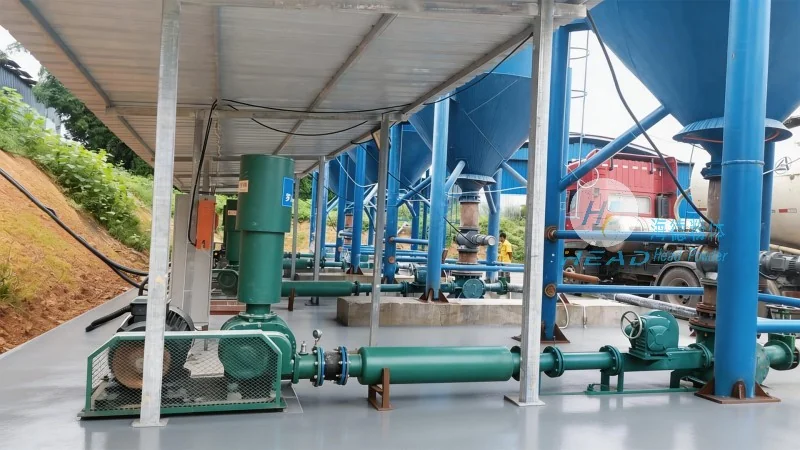
Overview of Fly Ash Particle Pneumatic Conveying Systems
Fly ash, a byproduct of coal combustion, is often transported using pneumatic conveying systems due to its fine particle size and the need for efficient, dust-free handling. These systems utilize air or gas to move materials through pipelines, offering advantages such as reduced equipment wear, lower maintenance requirements, and the ability to handle materials in a closed environment, minimizing environmental impact.
Types of Fly Ash Particle Pneumatic Conveying
There are primarily two main types of pneumatic conveying systems used for fly ash particle transport: aspiration (or suction) systems and pressure (or blow) systems. Each type has distinct operational principles and is suited to different scenarios based on the material characteristics, distance, and system requirements.
1. Aspiration (Suction) Pneumatic Conveying Systems
Aspiration systems operate by creating a negative pressure at the material intake point, drawing the fly ash particles into the conveying line. This type of system is typically used for short to medium distances and is effective when the material is already in a relatively dry and free-flowing state. The key characteristic of aspiration systems is their ability to handle materials from multiple sources or points of origin, making them suitable for applications where the fly ash is collected from various locations and needs to be consolidated into a central storage or processing facility.
2. Pressure (Blow) Pneumatic Conveying Systems
Pressure systems, on the other hand, generate positive pressure at the material discharge point, pushing the fly ash particles through the pipeline. These systems are generally more suitable for longer distances and higher material flow rates. They are often preferred when the fly ash needs to be transported to a specific destination, such as a storage silo or a processing plant, over considerable distances. The pressure system's ability to maintain consistent flow and handle larger volumes makes it ideal for industrial-scale applications.
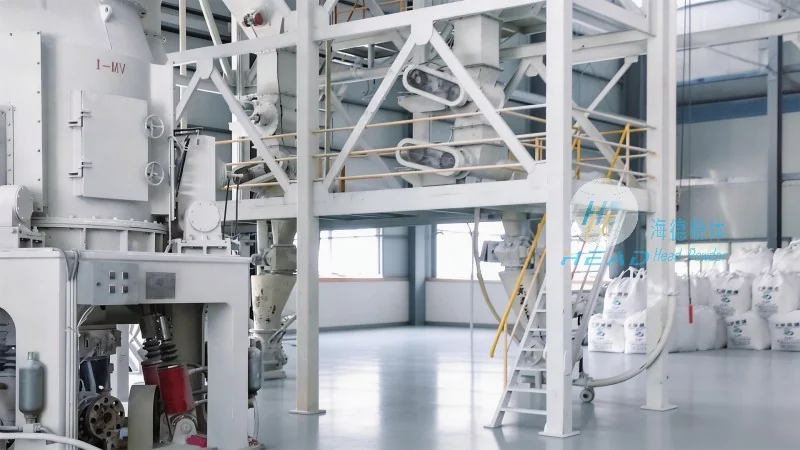
Key Characteristics of Fly Ash Particle Pneumatic Conveying
Both aspiration and pressure systems share several key characteristics that make them effective for fly ash handling. These include:
• Efficient Material Transport: The systems can move fly ash particles quickly and reliably, reducing handling time and labor costs.
• Dust Control: By operating in a closed system, the conveying process minimizes dust emissions, improving workplace safety and environmental compliance.
• Reduced Equipment Wear: The absence of mechanical components in the conveying line reduces wear and tear, leading to lower maintenance costs and longer equipment lifespan.
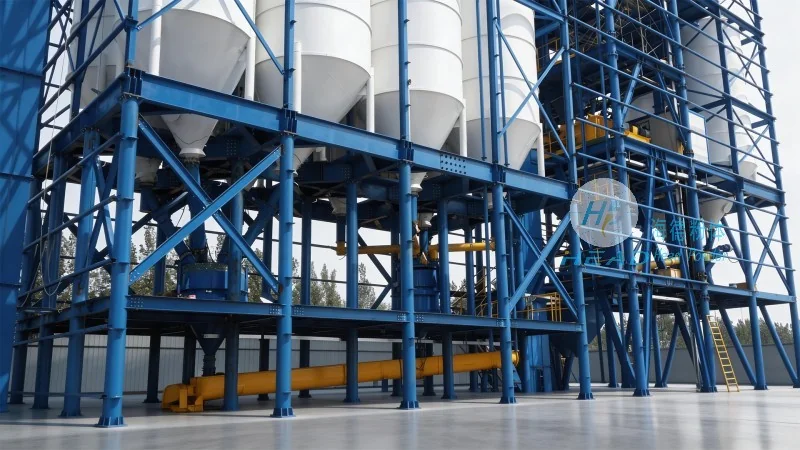
• Flexibility in Layout: Pneumatic conveying systems can be easily integrated into existing industrial layouts, allowing for customized solutions tailored to specific site requirements.
Applications of Fly Ash Particle Pneumatic Conveying
Fly ash particle pneumatic conveying systems are widely used across various industries due to their versatility and efficiency. Some common applications include:
• Construction Material Production: Fly ash is a key component in the production of concrete and other building materials. Pneumatic conveying systems efficiently transport fly ash from storage silos to mixing plants, ensuring consistent quality and reducing material waste.
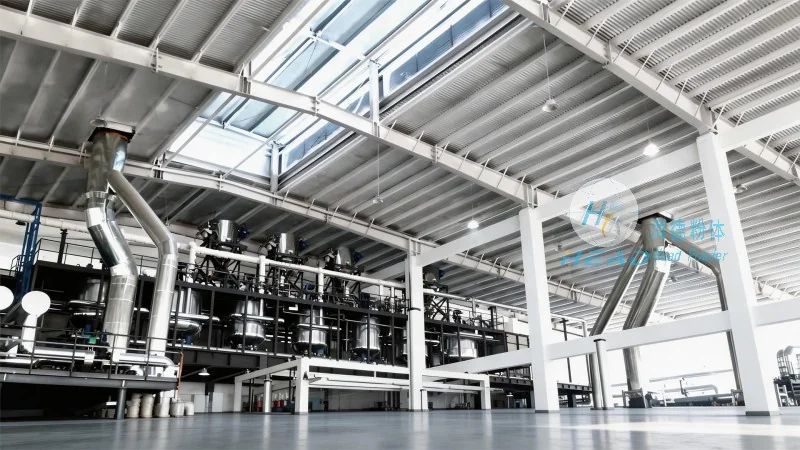
• Waste Management and Recycling: In waste management facilities, fly ash is often processed and recycled. Pneumatic conveying systems facilitate the transport of processed fly ash to recycling facilities or disposal sites, optimizing the overall waste management process.
• Power Plant Operations: Power plants generate large quantities of fly ash, which needs to be transported to disposal sites or used as a raw material in other processes. Pneumatic conveying systems provide a reliable and cost-effective method for handling this material, supporting the plant's operational efficiency.
• Industrial Manufacturing: Various industrial processes require the use of fly ash as an additive or raw material. Pneumatic conveying systems enable the precise and controlled delivery of fly ash to manufacturing lines, enhancing product quality and consistency.
Conclusion
Shandong HeadPowder Engineering Co., Ltd. offers comprehensive solutions for fly ash particle pneumatic conveying, leveraging advanced technology and expertise to meet the diverse needs of industrial clients. Whether for short-distance consolidation or long-distance transport, these systems provide efficient, reliable, and environmentally friendly solutions for handling fly ash particles. By understanding the different types, characteristics, and applications of pneumatic conveying systems, industries can optimize their material handling processes and improve overall operational performance.