

Coke Powder Technical Parameters and Conveying System Process
Shandong HeadPowder Engineering Co., Ltd., commonly known as headpowder, is a professional enterprise based in Shandong, China, specializing in the research, development, and application of coke powder handling technologies. The company focuses on providing comprehensive solutions for coke powder processing and conveying systems, leveraging years of industry experience to meet the diverse needs of clients in various sectors.
Coke Powder Technical Parameters
The technical parameters of coke powder are crucial for designing and optimizing conveying systems. Key parameters include particle size distribution, bulk density, true density, and flowability. Particle size distribution, typically ranging from 0.1 to 5 mm, affects the system's air consumption and pressure drop. Bulk density, usually between 0.5 to 0.8 g/cm³, influences the conveying capacity and energy efficiency. True density, around 1.8 to 2.0 g/cm³, is important for material separation and filtration. Flowability, often measured by angle of repose or Carr's index, determines the ease of material handling and feeding. These parameters are carefully measured and documented to ensure the conveying system operates efficiently and reliably.
Conveying System Process
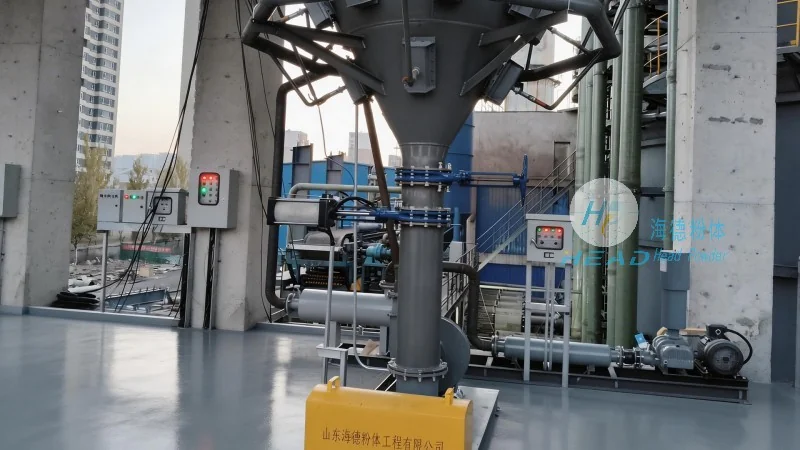
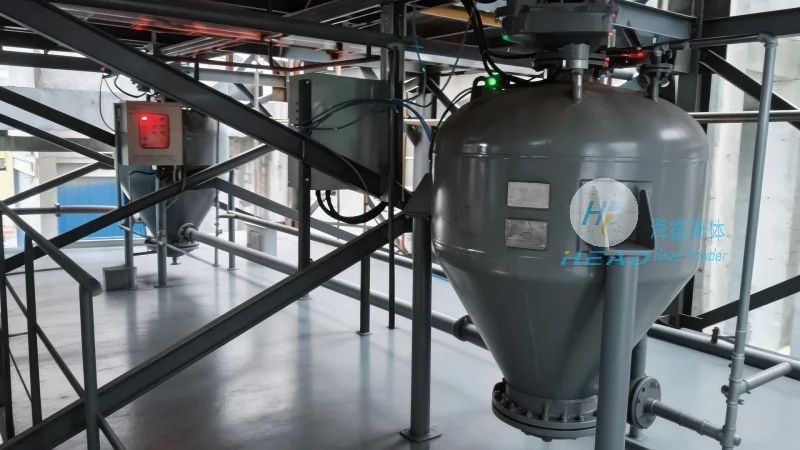
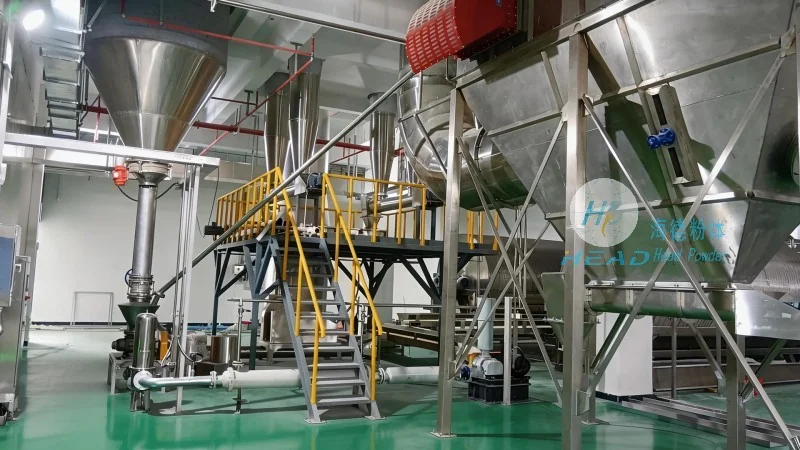
The conveying system for coke powder is designed to transport the material from storage to processing or end-use locations. A typical system includes several key components: a feeding device to introduce the powder into the system, a conveying pipeline to transport the material, a separation unit to separate the powder from the air, a dust collection system to capture and treat airborne particles, and a control system to regulate the operation. The process typically starts with the coke powder being fed from a storage silo or hopper into a rotary valve or feeder. The feeder then delivers the material into the conveying pipeline, where it is mixed with air and transported to the destination. At the receiving end, a cyclone or baghouse separator separates the powder from the air, and the air is filtered and discharged. The control system monitors parameters such as pressure, flow rate, and temperature, ensuring the system operates within safe and efficient limits. The system can be configured as positive pressure (blower-driven) or negative pressure (exhauster-driven), depending on the application requirements and environmental considerations.
System Advantages
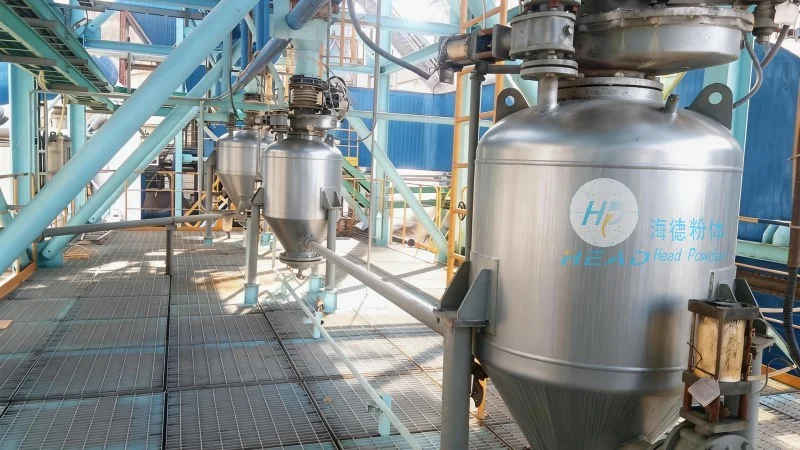
The coke powder conveying system developed by headpowder offers several advantages. Firstly, it ensures high conveying efficiency with minimal material loss, thanks to the optimized design of the feeding and separation units. Secondly, the system is energy-efficient, as it uses appropriate air volumes and pressure levels tailored to the material's properties. Thirdly, it provides excellent environmental performance, with effective dust collection and filtration systems that comply with local regulations. Fourthly, the system is flexible and can be adapted to different production scales and layouts. Lastly, the control system enhances operational safety and reliability, reducing downtime and maintenance costs. These advantages make the system suitable for various industrial applications, including steel production, chemical processing, and power generation.