

Technical Parameters and Transport System Process of Denitrization Fly Ash
Denitrization fly ash, a byproduct from the selective catalytic reduction (SCR) process used in flue gas treatment for power plants and industrial facilities, requires specialized handling and transport systems to ensure efficient and safe management. This document outlines the key technical parameters and the associated transport system processes developed by Shandong HeadPowder Engineering Co., Ltd., a leading provider in the field of industrial ash management.
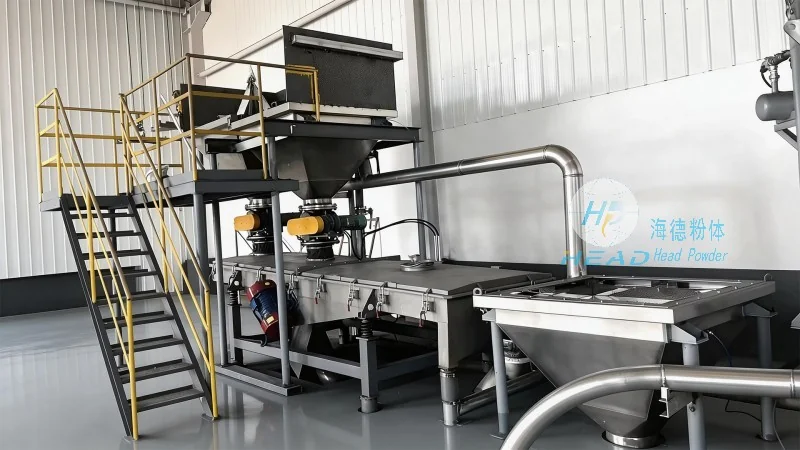
Key Technical Parameters of Denitrization Fly Ash
The technical parameters of denitrization fly ash are critical for optimizing the design and operation of transport systems. These parameters include but are not limited to particle size distribution, moisture content, bulk density, and chemical composition. The particle size distribution typically ranges from fine particles (less than 10 microns) to coarser fractions, which influences the flowability and handling characteristics. Moisture content is another crucial factor, as excessive moisture can lead to agglomeration and blockages in conveyor systems. Bulk density, often measured in kilograms per cubic meter, affects the capacity and power requirements of transport equipment. Chemical composition, including the presence of nitrogen compounds, sulfur oxides, and other trace elements, impacts the environmental and health considerations during handling.
Design Considerations for Transport Systems
The transport system for denitrization fly ash must be designed to accommodate the unique physical and chemical properties of the material. Conventional bulk material handling equipment, such as belt conveyors, screw conveyors, and pneumatic conveying systems, may require modifications or specialized components to handle the abrasive and potentially corrosive nature of the ash. For example, high-capacity belt conveyors with reinforced belts and heavy-duty idlers are commonly used to transport large volumes of fly ash over long distances. Screw conveyors are suitable for vertical or inclined transport, but they may need to be equipped with wear-resistant liners to prevent material degradation. Pneumatic conveying systems, particularly in the form of dense-phase or dilute-phase systems, offer flexibility in transporting ash through pipelines, though they require careful control of air pressure and flow rates to maintain consistent material transport.
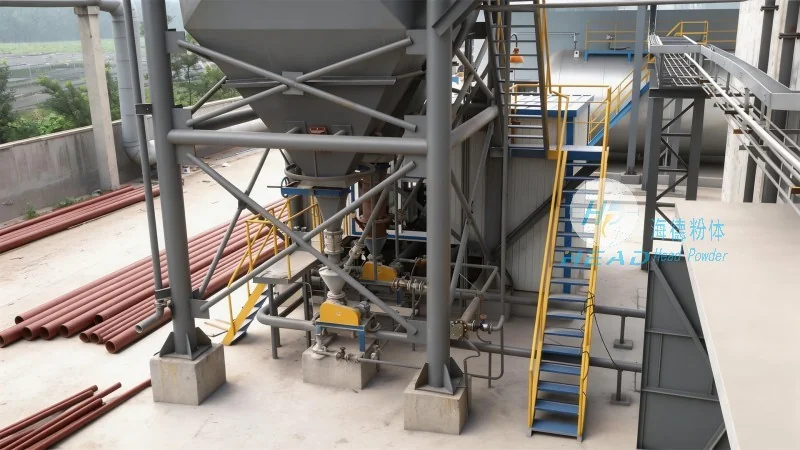
Process Flow and System Integration
The transport system process involves several key steps, starting from the collection of denitrization fly ash from the SCR reactor or storage silos. The material is then transferred to the primary transport equipment, such as a belt conveyor, which moves the ash to a transfer point or a storage facility. From there, the ash may be further processed or transported to disposal sites or recycling facilities. The system must be integrated with other plant processes, including dust collection systems and environmental control measures, to ensure compliance with regulatory standards. Automation and control systems are essential to monitor and adjust the transport parameters in real-time, optimizing efficiency and minimizing downtime.
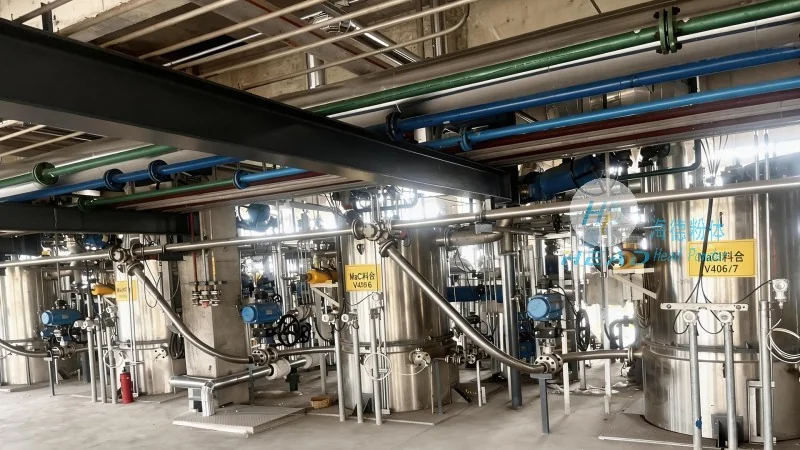
Operational Efficiency and Maintenance
Ensuring the operational efficiency of the denitrization fly ash transport system requires regular maintenance and monitoring. Regular inspections of conveyor components, such as belts, pulleys, and idlers, are necessary to detect wear and tear and prevent breakdowns. Lubrication of moving parts and cleaning of system components are also critical to maintain performance. The use of advanced monitoring technologies, such as vibration analysis and temperature sensors, can help predict potential failures and schedule maintenance proactively. Additionally, training of operators on proper system operation and emergency procedures is essential to ensure safe and efficient handling of the ash.
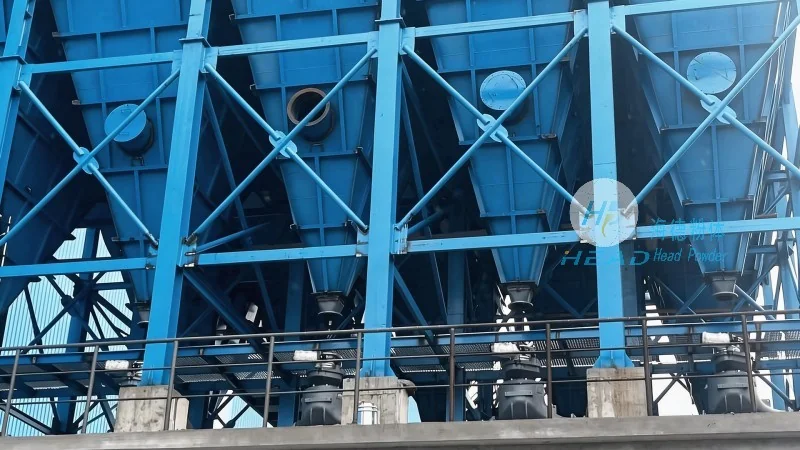
Environmental and Safety Considerations
Handling denitrization fly ash involves several environmental and safety considerations. The material may contain hazardous substances, such as heavy metals or nitrogen oxides, which require proper containment and disposal to prevent environmental contamination. The transport system must be designed to minimize dust emissions and prevent the release of harmful gases. Personal protective equipment (PPE) for operators and proper ventilation systems are necessary to ensure workplace safety. Compliance with local and national regulations regarding air quality, waste management, and occupational health is mandatory for all aspects of the transport process.
Conclusion
Shandong HeadPowder Engineering Co., Ltd. provides comprehensive technical solutions for the transport of denitrization fly ash, incorporating advanced engineering principles and industry best practices. By adhering to the key technical parameters and implementing robust transport systems, facilities can effectively manage their ash byproducts while ensuring operational efficiency, environmental compliance, and workplace safety. The company’s expertise in industrial ash management ensures that clients receive tailored solutions that meet their specific requirements and regulatory obligations.