

Role of Pneumatic Conveying in the Transport of Recycled Sand
HeadPowder, a leading provider of material handling solutions, specializes in advanced pneumatic conveying systems tailored for the efficient transport of recycled sand. With a focus on precision and reliability, our systems are designed to meet the demanding requirements of modern construction and manufacturing industries.
Understanding Pneumatic Conveying for Recycled Sand
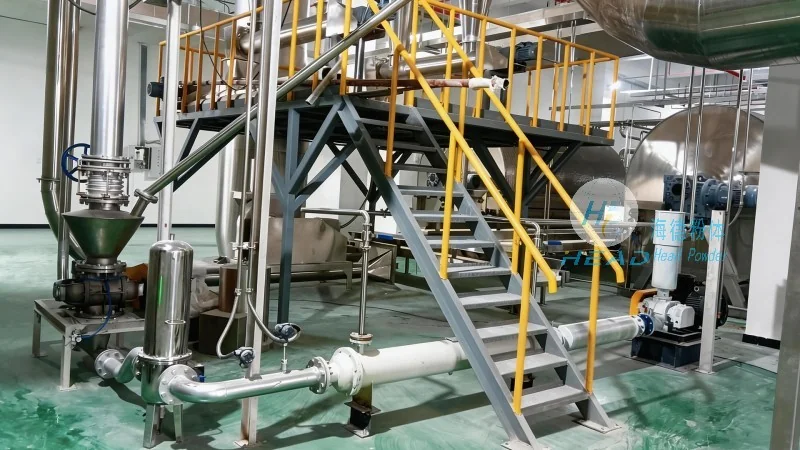
Pneumatic conveying is a method of transporting bulk materials through a pipeline using air or gas as the conveying medium. In the context of recycled sand, this technology offers a highly effective solution for moving sand from one location to another without the need for mechanical components like belts or buckets. The process involves creating a pressure differential within the pipeline, which propels the sand particles along the system. This approach not only enhances operational efficiency but also minimizes material degradation and contamination, ensuring the quality of the recycled sand remains intact throughout the transport process.
Key Advantages of Pneumatic Conveying in Recycled Sand Handling
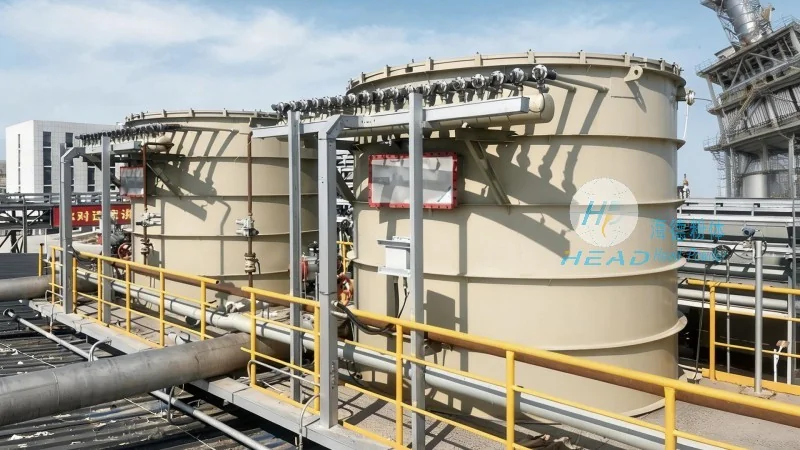
When it comes to transporting recycled sand, pneumatic conveying systems provide several critical advantages. First, they offer a dust-free operation, which is essential for maintaining a clean and safe working environment in construction sites and industrial facilities. Unlike traditional methods that may generate significant dust, pneumatic systems can be equipped with filtration and dust control mechanisms to ensure compliance with environmental regulations. Second, these systems are highly flexible, allowing for the integration of multiple transfer points and the ability to route sand to various destinations within a facility. This flexibility is particularly valuable in complex production lines where sand may need to be transferred between different processing stages. Third, pneumatic conveying reduces the risk of material spillage and loss, as the sand is contained within the pipeline throughout the transport process. This not only improves material recovery rates but also minimizes waste and operational costs. Additionally, the systems are relatively low-maintenance compared to other bulk material handling solutions, as they have fewer moving parts and are less prone to mechanical failures.
HeadPowder's Expertise in Pneumatic Conveying Solutions
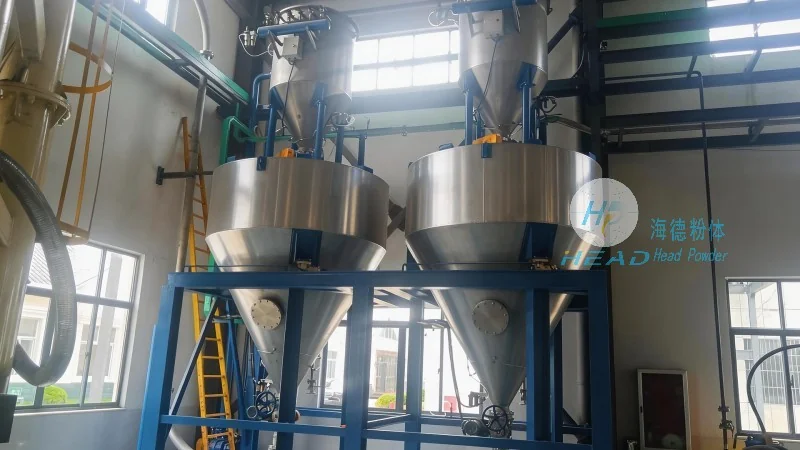
Shandong HeadPowder Engineering Co., Ltd., based in China, has established itself as a trusted name in the design and implementation of pneumatic conveying systems for recycled sand applications. Our company combines years of industry experience with cutting-edge technology to deliver customized solutions that address the unique challenges of each client's operation. We work closely with our clients to understand their specific requirements, such as the volume of sand to be transported, the distance of the transfer, and the desired level of automation. Based on this information, our engineering team designs a system that optimizes performance while minimizing energy consumption and operational costs. Our systems are built with high-quality components, ensuring durability and long-term reliability. We also provide comprehensive after-sales support, including maintenance services and technical assistance, to ensure that our clients can maximize the lifespan and efficiency of their equipment.
Applications and Industries Benefiting from Pneumatic Conveying
The use of pneumatic conveying for recycled sand is widespread across various industries. In the construction sector, these systems are commonly used to transport sand from storage silos to concrete mixing plants or to different construction sites. The ability to move sand efficiently and without interruption helps to streamline the construction process and reduce downtime. In the manufacturing industry, particularly in foundries and metalworking facilities, recycled sand is often used as a raw material in the production of new metal components. Pneumatic conveying allows for the seamless transfer of sand from recycling units to the casting or molding processes, ensuring a consistent supply of material. Additionally, in the environmental and waste management sector, pneumatic systems are employed to transport recycled sand from collection points to processing facilities, facilitating the recycling process and reducing the environmental impact of construction waste.
Conclusion: Enhancing Efficiency with Pneumatic Conveying
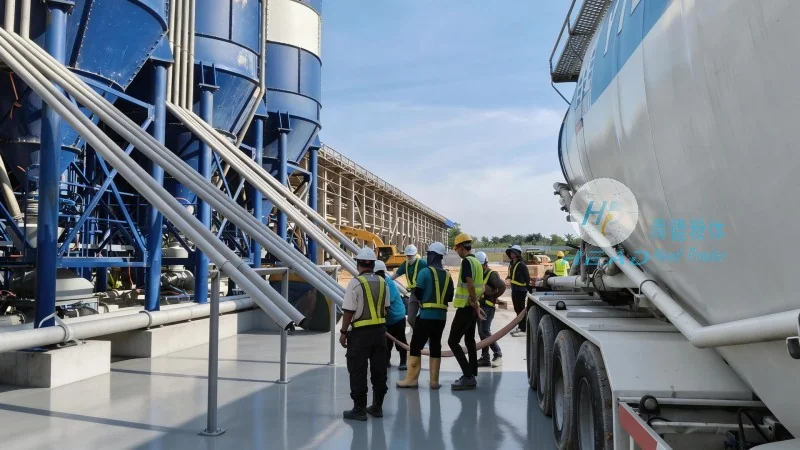
For businesses dealing with recycled sand, pneumatic conveying offers a superior method of material transport that combines efficiency, reliability, and environmental responsibility. By leveraging the expertise of companies like Shandong HeadPowder Engineering Co., Ltd., organizations can implement systems that not only meet their current operational needs but also support long-term growth and sustainability. The integration of advanced pneumatic conveying technology into sand handling processes is a strategic investment that can lead to significant improvements in productivity, cost reduction, and overall operational performance. As the demand for recycled materials continues to grow, the role of efficient transport systems like pneumatic conveying becomes increasingly critical in ensuring the success of sustainable construction and manufacturing practices.