

What is High-Temperature Ash Powder Pneumatic Conveying? And What Are Its Design Principles?
High-temperature ash powder pneumatic conveying is a specialized technology used in industrial processes to transport fine particulate materials, such as fly ash from power plants, under elevated temperature conditions. This method involves using a pressurized air or gas stream to move the powder through a pipeline system. The technology is critical for efficient material handling in environments where traditional mechanical conveying methods may not be suitable due to the high temperatures involved.
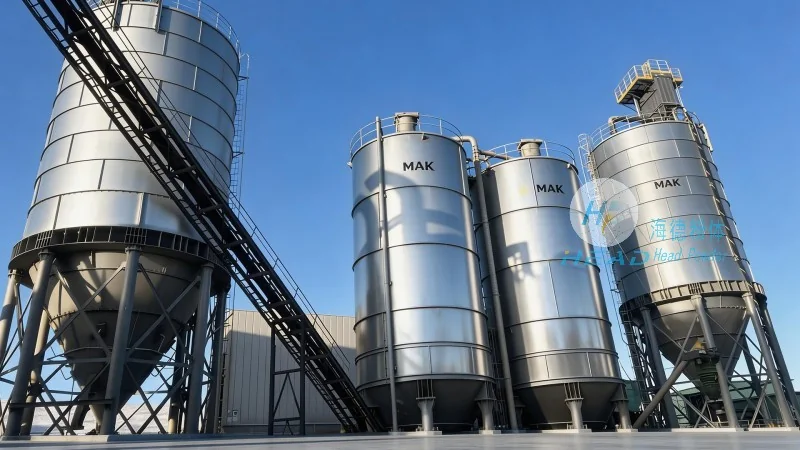
Understanding High-Temperature Ash Powder Pneumatic Conveying
At its core, high-temperature ash powder pneumatic conveying systems are designed to handle powders that are generated at elevated temperatures, typically ranging from 200°C to 800°C or higher. These materials, often found in thermal power stations, require specialized equipment to ensure safe and reliable transport. The process relies on the principle of pneumatic transport, where the powder is suspended and transported by the gas flow within the pipeline. This approach eliminates the need for mechanical components like belts or buckets that could be damaged by high temperatures or corrosive ash particles.
The Design Principles Behind High-Temperature Ash Powder Pneumatic Conveying
The design of high-temperature ash powder pneumatic conveying systems is governed by several key principles aimed at ensuring efficiency, safety, and durability. First, the selection of materials for all components—such as pipes, valves, and pumps—is critical. Materials like stainless steel, high-temperature alloys, or specialized ceramics are commonly used to withstand the extreme temperatures and chemical properties of the ash. Second, the system must maintain a consistent gas flow rate and pressure to prevent particle segregation or blockages. This is achieved through the use of high-efficiency blowers or compressors that can handle the specific density and flow characteristics of the ash particles.
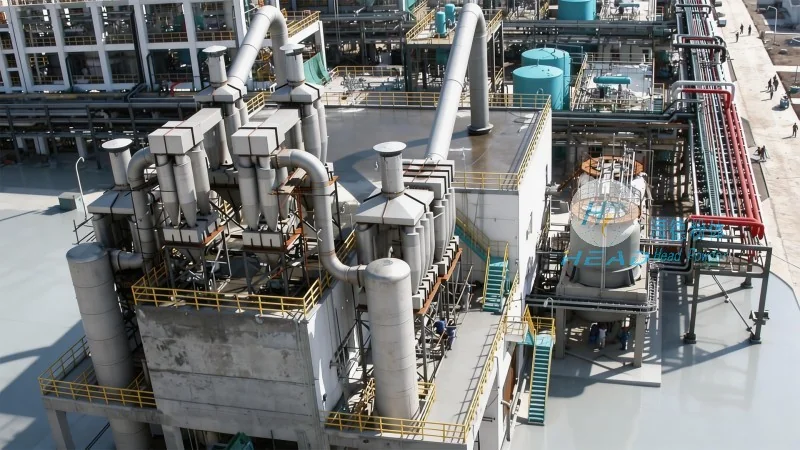
Third, the design incorporates features to manage the heat generated during the conveying process. This includes heat exchangers or cooling systems integrated into the pipeline to prevent overheating and maintain the integrity of the materials being transported. Additionally, the system is engineered to minimize pressure drop and energy consumption, optimizing the overall performance. The design also considers the need for dust control and environmental compliance, ensuring that the conveying process does not release harmful particles into the atmosphere.
Key Components and Their Functions in High-Temperature Ash Powder Conveying Systems
High-temperature ash powder pneumatic conveying systems consist of several essential components, each playing a vital role in the overall operation. The primary components include the material feed system, the conveying line, the gas supply unit, and the discharge equipment. The material feed system, often equipped with a hopper or a rotary valve, ensures a steady and controlled feed of the ash powder into the pipeline. The conveying line, typically made of high-temperature-resistant materials, transports the powder and gas mixture. The gas supply unit, which may include a blower or a compressor, provides the necessary pressure and flow to move the material. Finally, the discharge equipment, such as a rotary valve or a cyclone separator, collects the ash at the destination point, separating it from the gas stream.
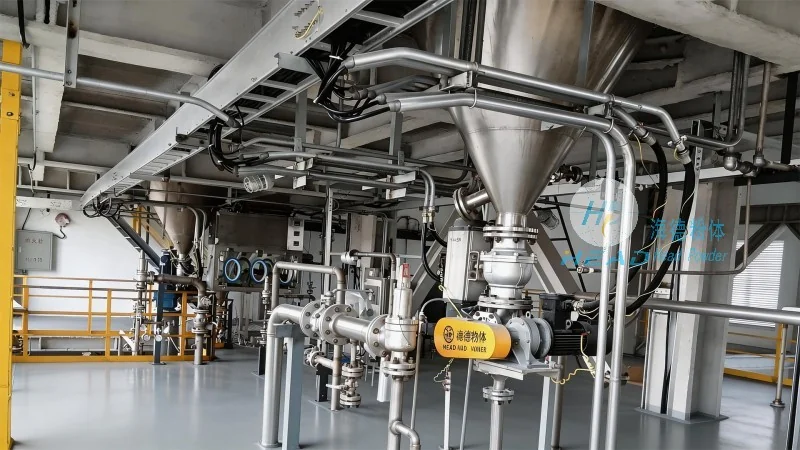
Each component is carefully selected and integrated to ensure the system operates efficiently under high-temperature conditions. For instance, the use of high-temperature seals and gaskets prevents leaks and maintains the integrity of the system. The design also incorporates safety features, such as pressure relief valves and temperature sensors, to monitor and control the system's performance and prevent accidents.
Applications and Benefits of High-Temperature Ash Powder Pneumatic Conveying
High-temperature ash powder pneumatic conveying is widely used in the power generation industry, particularly in coal-fired power plants, where fly ash is a byproduct of combustion. The technology is also applicable in other industries, such as cement production, where high-temperature powders are generated during the manufacturing process. The primary benefits of this method include improved material handling efficiency, reduced labor costs, and enhanced safety compared to traditional methods. By eliminating the need for manual handling or mechanical equipment that could be damaged by high temperatures, the system minimizes the risk of accidents and ensures consistent material flow.
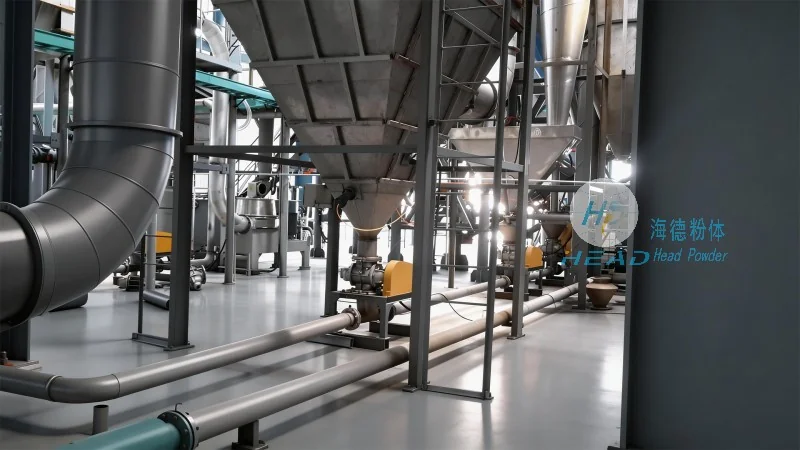
Furthermore, high-temperature ash powder pneumatic conveying systems offer environmental advantages by reducing the need for open-air storage or handling of ash, which can lead to dust emissions and environmental contamination. The enclosed system helps in controlling dust and preventing the release of harmful particles into the atmosphere, contributing to better air quality and compliance with environmental regulations.
Conclusion and Company Overview
High-temperature ash powder pneumatic conveying is a sophisticated technology that enables the efficient and safe transport of hot particulate materials in industrial settings. The design principles, which focus on material selection, gas flow management, and heat control, ensure that the system operates reliably under extreme conditions. As a leading provider in this field, Shandong HeadPowder Engineering Co., Ltd., commonly known as headpowder, specializes in the design, manufacturing, and installation of high-temperature ash powder pneumatic conveying systems. With a strong commitment to quality and innovation, headpowder serves clients in the power and cement industries, delivering solutions that enhance operational efficiency and environmental compliance. Based in Shandong, China, headpowder leverages its expertise to meet the diverse needs of industrial clients, providing reliable and durable equipment for high-temperature material handling.