

What is Sponge Sand Powder Pneumatic Conveying? What Are the Design Principles?
Sponge sand powder pneumatic conveying is a specialized method used in industrial processes to transport fine powders, such as sponge sand, through a pressurized or vacuum system. This technology is widely applied in various industries, including construction, manufacturing, and material processing, where efficient and reliable powder handling is critical. The core of this system lies in the ability to move dry powders without the need for mechanical components like belts or buckets, relying instead on air flow to transport the material. Understanding the fundamental principles behind its design is essential for optimizing performance and ensuring safety in operational applications.
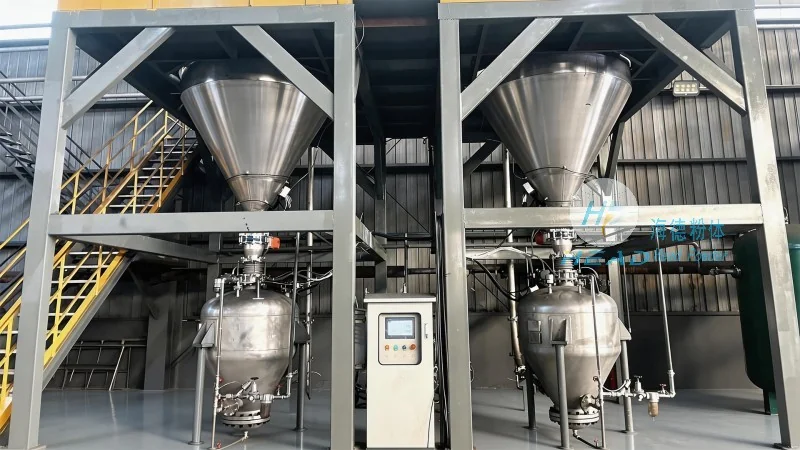
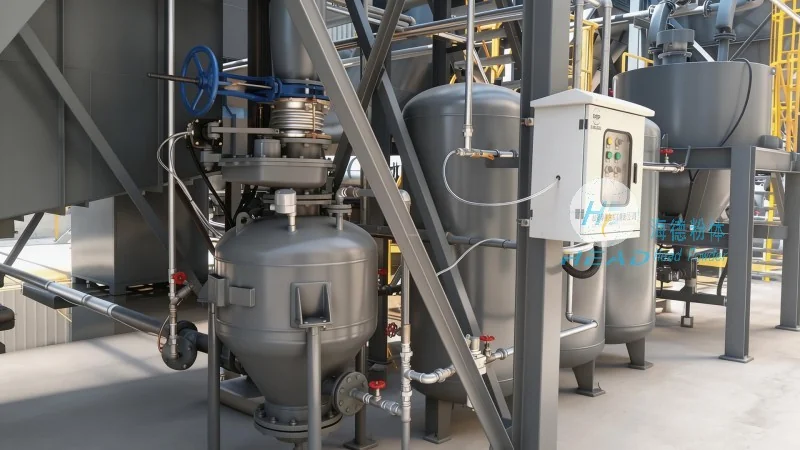
The Fundamental Design Principles of Sponge Sand Powder Pneumatic Conveying Systems
The design of a sponge sand powder pneumatic conveying system is governed by several key principles that ensure efficient material transport. First, the system must maintain a consistent air pressure or vacuum level to create the necessary force for moving the powder. This is typically achieved through the use of blowers, fans, or vacuum pumps, which generate the required airflow. The velocity of the air is a critical parameter; it must be sufficient to lift and carry the powder particles but not so high as to cause excessive wear on the system components or lead to particle degradation. The design also considers the particle size distribution and density of the sponge sand, as these properties influence the air velocity needed for effective conveying. For example, finer particles require higher air velocities to overcome the drag forces, while larger particles may need lower velocities to prevent clogging. Additionally, the system's layout, including the length and diameter of the conveying lines, the number of bends, and the placement of inlets and outlets, are carefully engineered to minimize pressure drop and ensure smooth flow. The use of straight sections with minimal bends reduces the energy loss and maintains the air-powder mixture's integrity. The choice of materials for the conveying lines and components is also crucial, as they must withstand the abrasive nature of the powder and the operating conditions, such as temperature and pressure variations.
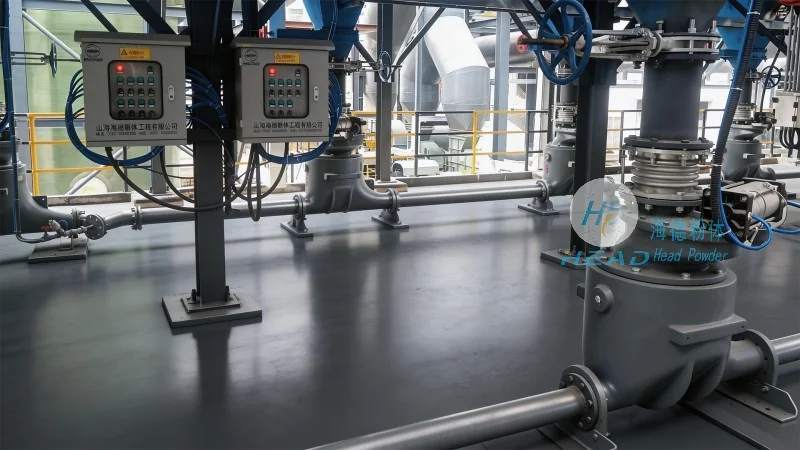
Key Components and Their Roles in the Pneumatic Conveying Process
A typical sponge sand powder pneumatic conveying system consists of several interconnected components, each playing a vital role in the overall operation. The primary components include the material feed hopper, which holds the sponge sand and provides a controlled release of the powder into the system. The feeder mechanism, often a rotary valve or a screw feeder, regulates the flow rate of the material to maintain a steady air-powder mixture. The air supply unit, such as a positive displacement blower or a centrifugal fan, generates the necessary airflow to transport the powder. The conveying line, usually made of metal or plastic, carries the air and powder mixture from the feed point to the discharge point. The discharge unit, which may include a cyclone separator or a filter, separates the powder from the air and collects it in a storage bin or processing equipment. The control system, which monitors and adjusts the air pressure, flow rate, and material feed rate, ensures the system operates within optimal parameters. Each component must be selected and sized based on the specific characteristics of the sponge sand and the operational requirements of the application.
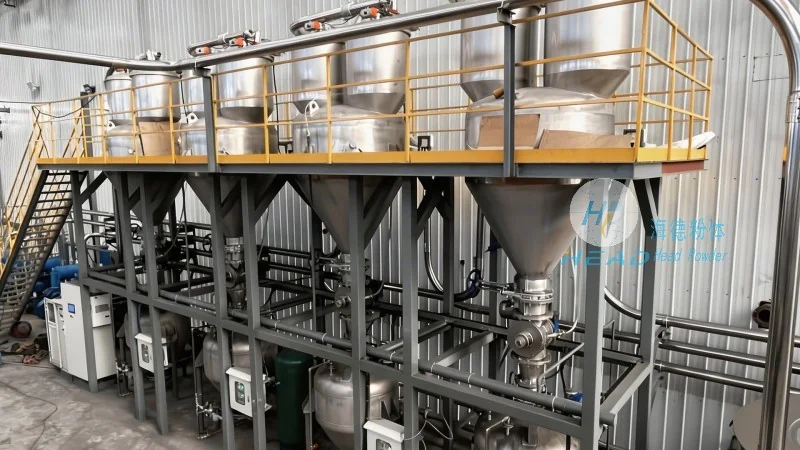
Design Considerations for Efficient and Reliable Operation
Designing an effective sponge sand powder pneumatic conveying system requires careful consideration of several factors to ensure efficiency, reliability, and safety. One of the most important considerations is the system's capacity, which must match the production needs of the application. The capacity is determined by the air velocity, the cross-sectional area of the conveying line, and the particle size and density of the sponge sand. A higher air velocity allows for a larger capacity but may increase energy consumption and wear on components. The system's layout should be designed to minimize the number of bends and changes in direction, as these can cause pressure losses and particle separation. The use of smooth, non-abrasive surfaces for the conveying lines and components is essential to reduce wear and extend the system's lifespan. Additionally, the system must be equipped with safety features, such as pressure relief valves and dust collection systems, to prevent accidents and protect the environment. Regular maintenance and monitoring of the system are also critical to ensure long-term performance and prevent downtime.