

White Bean Flake Powder Pneumatic Conveying: What It Is and Its Design Principles
White bean flake powder, a common ingredient in many food products, requires efficient and reliable transportation methods to ensure quality and safety. Pneumatic conveying, a technology that uses air to move powders through a system of pipes and components, has become a preferred solution for handling such materials. This article explores the concept of white bean flake powder pneumatic conveying and delves into the fundamental design principles that underpin this technology.
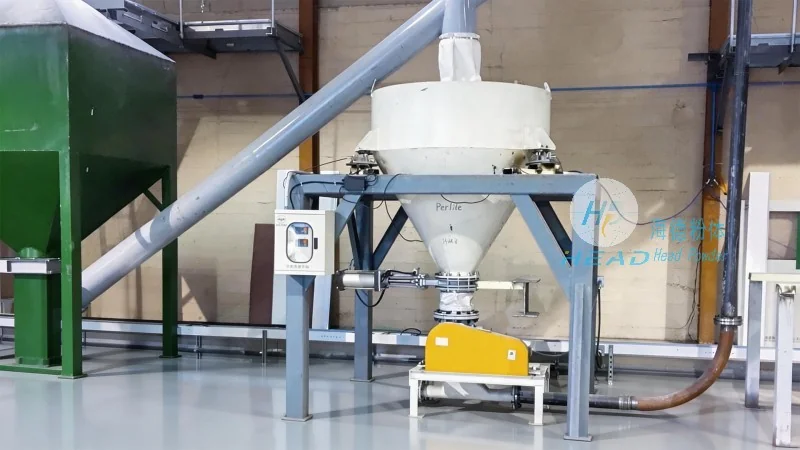
Understanding Pneumatic Conveying for White Bean Flake Powders
Pneumatic conveying systems are designed to transport dry powders like white bean flakes by creating a flow of air that carries the particles through a network of pipes. Unlike traditional mechanical conveying methods, which rely on belts or screws, pneumatic systems use pressure differentials or vacuum to move materials, offering advantages such as reduced contamination, lower maintenance, and the ability to handle sensitive or hygienic materials. For white bean flake powders, which are often used in food processing applications, maintaining product integrity is crucial, making pneumatic conveying an ideal choice.
Key Components of a Pneumatic Conveying System
A typical pneumatic conveying system for white bean flake powders consists of several essential components. These include a material hopper or feeder, which holds the white bean flakes and controls the flow rate; a blower or air compressor, which generates the necessary air pressure or vacuum; a conveying line, which transports the powder from the source to the destination; and a receiver or collection bin, where the material is deposited. Each component plays a critical role in ensuring the system operates efficiently and safely.
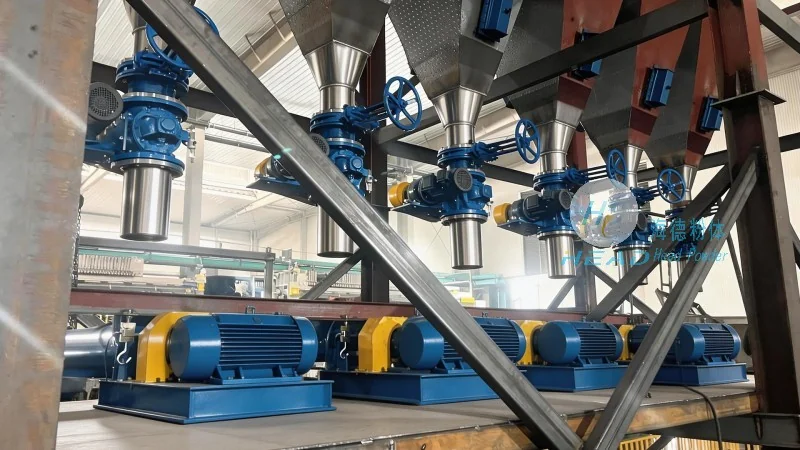
Design Principles for Efficient White Bean Flake Powder Conveying
The design of a pneumatic conveying system for white bean flake powders must consider several key principles to optimize performance. First, the system must be designed to handle the specific properties of the powder, such as its particle size, density, and flowability. White bean flakes are typically irregularly shaped and may have varying sizes, which can affect how they move through the air. Engineers must select appropriate equipment, such as the type of hopper and feeder, to ensure consistent material flow and prevent blockages.
Second, the system must maintain proper air-to-material ratios to achieve effective conveying. The air velocity must be sufficient to lift and transport the white bean flakes without causing excessive wear on the system components or damaging the powder particles. This balance is critical for preventing degradation of the product and ensuring the system operates at optimal efficiency.
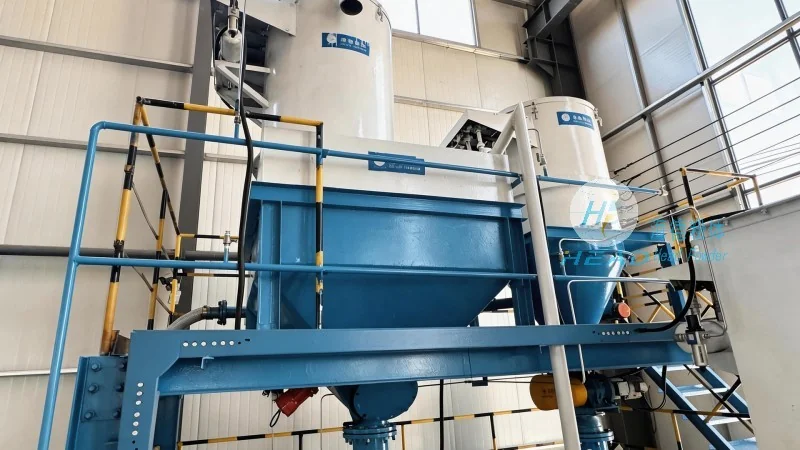
Considerations for Hygiene and Food Safety
Given that white bean flake powders are often used in food applications, the pneumatic conveying system must adhere to strict hygiene and food safety standards. Components such as hoppers, conveyors, and receivers are typically made from stainless steel or other food-grade materials to prevent contamination. The system is also designed to be easy to clean and maintain, with features like CIP (Clean-In-Place) capabilities to ensure thorough sanitation. These considerations are essential for meeting regulatory requirements and maintaining product quality.
Advantages of Pneumatic Conveying for White Bean Flake Powders
Pneumatic conveying offers several advantages over other material handling methods for white bean flake powders. One of the primary benefits is the ability to transport materials in a closed system, which minimizes exposure to contaminants and dust. This is particularly important for food-grade products, as it helps maintain the purity and safety of the final product. Additionally, pneumatic systems can handle materials over long distances and at varying elevations, making them suitable for complex production layouts.
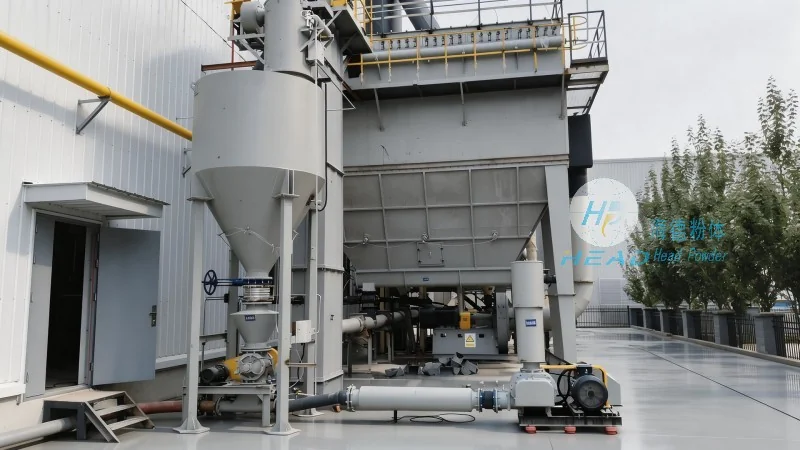
Applications in Food Processing
White bean flake powders are widely used in the food industry, particularly in the production of soups, sauces, and other processed foods. Pneumatic conveying systems are commonly used to transport these powders from storage silos to processing lines, blending equipment, or packaging stations. The efficiency and reliability of pneumatic systems make them a preferred choice for manufacturers looking to streamline their production processes and improve overall operational performance.
Conclusion
In conclusion, white bean flake powder pneumatic conveying is a sophisticated technology that combines engineering principles with practical applications to efficiently transport food-grade powders. The design of such systems requires careful consideration of material properties, system components, and safety standards to ensure optimal performance and product quality. As a leading provider in this field, Shandong HeadPowder Engineering Co., Ltd., based in Shandong, China, specializes in designing and manufacturing pneumatic conveying systems tailored to the unique needs of food processing industries.