

What is Dry Yeast Powder Pneumatic Conveying? What Are the Design Principles?
Understanding the fundamentals of dry yeast powder pneumatic conveying is crucial for industries dealing with bulk powder handling. This article delves into the concept of pneumatic conveying systems specifically designed for dry yeast, exploring the underlying design principles that ensure efficient and reliable material transport. The information is provided by Shandong HeadPowder Engineering Co., Ltd., a leading manufacturer specializing in powder handling solutions for the food and beverage sector.
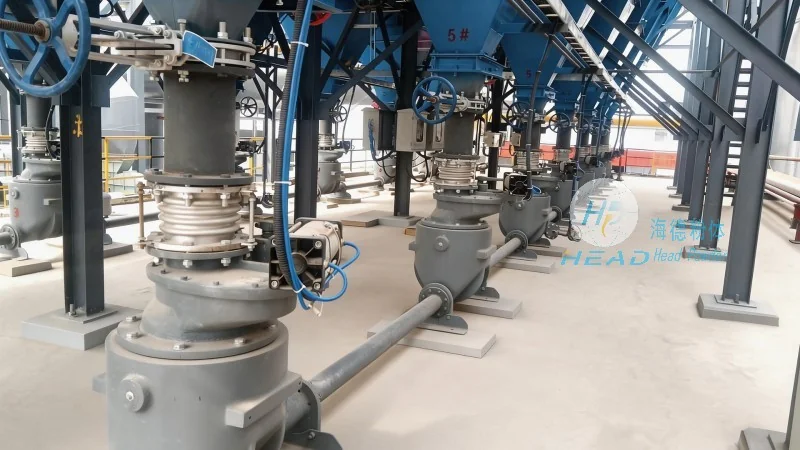
Introduction to Dry Yeast Powder Pneumatic Conveying
Dry yeast powder pneumatic conveying refers to the process of transporting dry yeast particles through a pipeline using a gas stream, typically air or other gases. This method is widely adopted in the food and beverage industry due to its ability to handle delicate, hygroscopic materials like yeast without causing degradation or contamination. The system operates by creating a pressure differential that propels the powder through the pipeline, making it an ideal solution for applications requiring precise control over powder flow and particle integrity.
Key Components of a Dry Yeast Pneumatic Conveying System
A typical dry yeast powder pneumatic conveying system consists of several critical components that work in tandem to ensure smooth operation. These include a material feed hopper, a conveying line (often equipped with bends and elbows), a gas source (such as a blower or compressor), and a receiver or discharge point. The feed hopper is designed to store and meter the dry yeast, while the conveying line facilitates the movement of the powder through the system. The gas source provides the necessary pressure to create the flow, and the receiver collects the conveyed yeast at the destination.
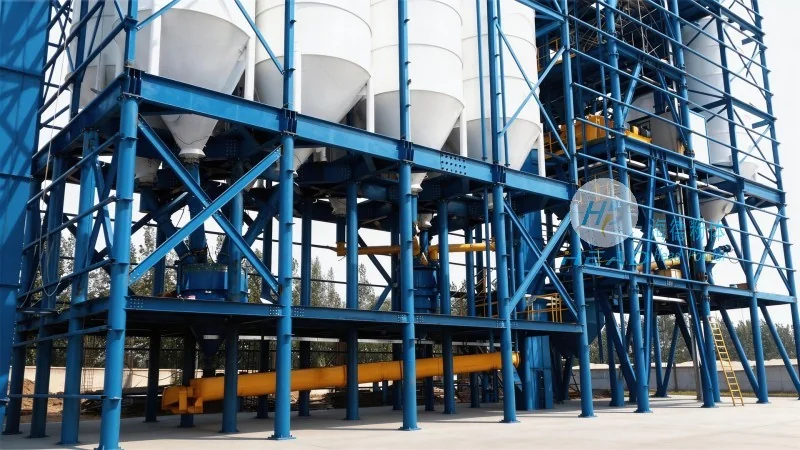
Design Principles for Efficient Dry Yeast Conveying
The design of a dry yeast powder pneumatic conveying system is guided by several key principles aimed at optimizing performance and minimizing operational issues. One of the primary principles is maintaining a consistent particle size distribution, as larger particles may cause blockages or uneven flow. The system must also account for the hygroscopic nature of yeast, ensuring that the conveying environment remains dry to prevent clumping or moisture absorption. Additionally, the velocity of the gas stream is carefully controlled to avoid particle degradation or erosion of the pipeline. Proper sizing of the conveying line and gas source is essential to achieve the desired flow rate while minimizing energy consumption. The system also incorporates features like in-line filters and cyclones to separate any entrained particles and maintain product purity.
Advantages of Dry Yeast Pneumatic Conveying
Implementing a dry yeast powder pneumatic conveying system offers numerous advantages over traditional methods like bulk bags or trucks. One of the most significant benefits is the ability to achieve dust-free and hygienic material handling, which is critical in food processing environments. The system also enables precise control over the flow rate, allowing for accurate dosing and reduced waste. Furthermore, pneumatic conveying systems are more compact and flexible compared to mechanical conveying systems, making them suitable for space-constrained facilities. The process is also highly efficient in terms of energy use, as the gas stream can be recycled and reused, reducing operational costs.
Applications in the Food and Beverage Industry
Dry yeast powder pneumatic conveying is extensively used in various applications within the food and beverage industry. For instance, in bakeries and breweries, the system is employed to transport yeast from storage silos to production lines, ensuring a continuous and controlled supply. In the production of fermented beverages, the conveying system helps maintain the quality of the yeast by preventing exposure to air and moisture. Additionally, the system is used in the manufacturing of yeast-based products, such as nutritional supplements or flavor enhancers, where consistent particle size and purity are paramount.
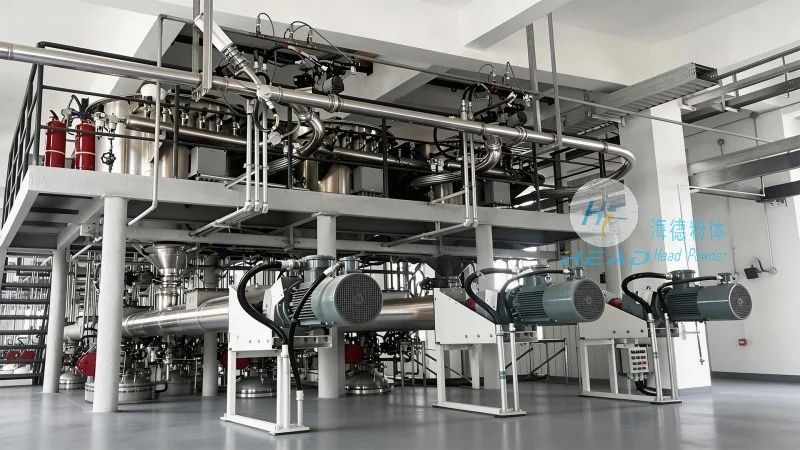
Considerations for System Integration and Maintenance
When integrating a dry yeast powder pneumatic conveying system into an existing facility, several factors must be considered to ensure optimal performance. The system must be designed to meet the specific requirements of the dry yeast being handled, including particle size, moisture content, and flow characteristics. Regular maintenance is also crucial to prevent system downtime and ensure long-term reliability. This includes cleaning the conveying line and filters to remove any accumulated yeast residue, inspecting the gas source for wear and tear, and checking the feed hopper for any blockages or leaks. Proper training of operators on the system's operation and maintenance is also essential to maximize efficiency and minimize operational risks.
Conclusion
Dry yeast powder pneumatic conveying is a sophisticated and efficient method for handling bulk dry yeast, driven by well-defined design principles that prioritize material integrity, flow control, and operational efficiency. As a leading provider in this field, Shandong HeadPowder Engineering Co., Ltd. specializes in designing and manufacturing customized pneumatic conveying systems tailored to the unique needs of the food and beverage industry. With a focus on precision, reliability, and hygiene, their solutions ensure that dry yeast is transported safely and effectively, supporting the production of high-quality products. The company's expertise in system design and maintenance further enhances the overall performance and longevity of the conveying equipment, making it a trusted partner for businesses seeking to optimize their powder handling processes.