

What is a Weigh Feeder Powder Pneumatic Conveying System? Exploring Design Principles
For industrial operations that require precise and efficient handling of bulk powders, the weigh feeder powder pneumatic conveying system stands out as a critical solution. This system integrates weighing technology with pneumatic conveying to ensure accurate material feed while maintaining operational efficiency. Understanding its components and design principles is essential for industries such as pharmaceuticals, food processing, and chemical manufacturing, where material consistency and safety are paramount.
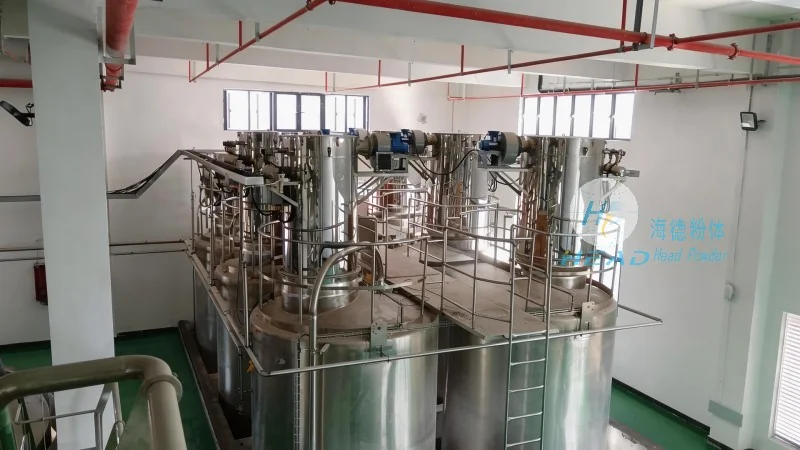
Introduction to Weigh Feeder Powder Pneumatic Conveying Systems
A weigh feeder powder pneumatic conveying system is a specialized equipment setup designed to transport and dose bulk powders with high precision. Unlike traditional conveying methods, this system combines the functionality of a weigh feeder—used to measure and control the flow rate of materials—with the pneumatic transport capabilities of air or gas to move powders through pipelines. The result is a system that not only delivers materials efficiently but also ensures that the flow rate is accurately regulated, making it ideal for applications where dosage accuracy is critical.
Key Components of the System
The effectiveness of a weigh feeder powder pneumatic conveying system relies on several key components that work in tandem to achieve precise material handling. These components include:
1. **Weigh Feeder**: This is the core component responsible for measuring and controlling the flow rate of the powder. It typically consists of a hopper, a load cell, and a control system that monitors the weight of the material being fed. The weigh feeder adjusts the feed rate based on the desired output, ensuring that the material is delivered at a consistent and accurate rate.
2. **Pneumatic Conveying Pipeline**: The system uses a network of pipelines to transport the powder from the source to the destination. These pipelines are designed to handle the specific characteristics of the powder, such as particle size, moisture content, and flowability. The choice of pipeline material and design is crucial to prevent blockages and ensure smooth material movement.
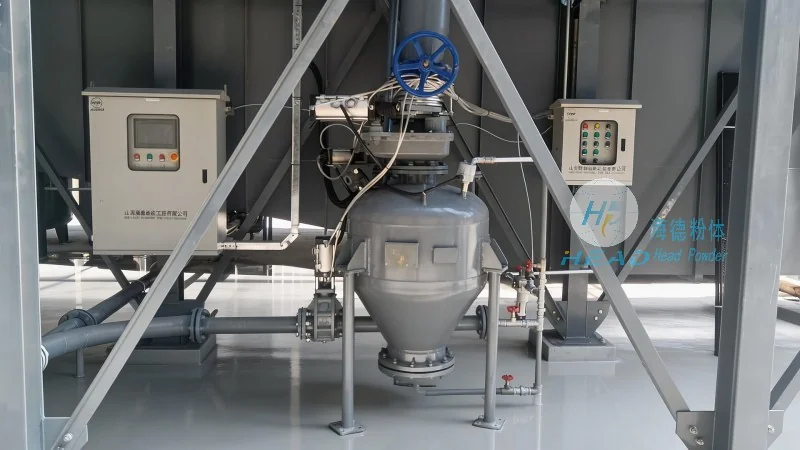
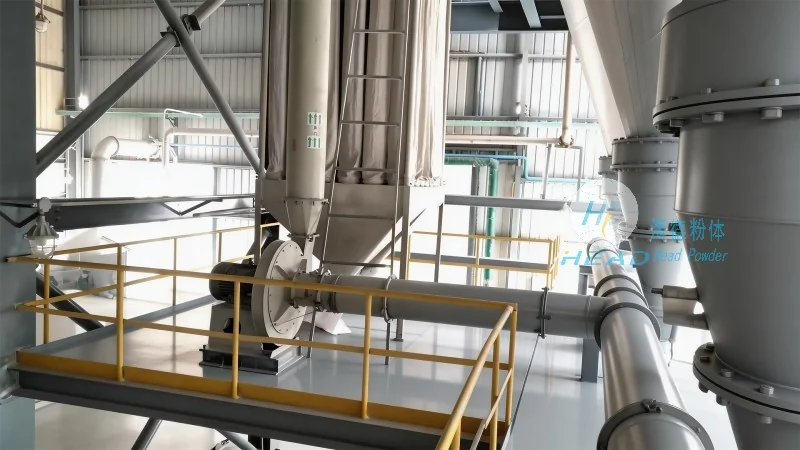
3. **Air Supply System**: This component provides the necessary air or gas pressure to move the powder through the pipeline. It includes a blower or compressor, air filters, and pressure regulators to maintain consistent air pressure. The air supply system is critical for ensuring that the powder is conveyed at the desired velocity and without excessive pressure loss.
4. **Control System**: The control system integrates all components of the system, monitoring and adjusting the feed rate, air pressure, and other parameters to maintain optimal performance. Modern systems often use digital controls and sensors to provide real-time data on the system's operation, allowing for quick adjustments and troubleshooting.
Design Principles Behind the System
The design of a weigh feeder powder pneumatic conveying system is guided by several fundamental principles aimed at achieving efficiency, accuracy, and reliability. These principles include:
1. **Precision Weighing and Control**: The primary design principle is to ensure that the material is weighed and fed with high precision. This is achieved through the use of high-quality load cells and advanced control algorithms that can detect even minor changes in weight and adjust the feed rate accordingly. The goal is to minimize variations in the material flow rate, which is essential for processes that require consistent dosing.
2. **Optimized Pneumatic Conveying**: The system is designed to optimize the pneumatic conveying process by selecting the appropriate air velocity and pressure. This involves considering factors such as the powder's particle size, density, and flowability to determine the optimal air flow rate. Proper design helps prevent issues like blockages, dust emissions, and material degradation during transport.
3. **Material Compatibility**: The design takes into account the specific characteristics of the powder being handled. This includes considering the material's moisture content, abrasiveness, and potential for caking or agglomeration. The components, such as the hopper and pipeline, are selected to be compatible with the powder to prevent wear and ensure long-term reliability.
4. **Safety and Environmental Considerations**: The system is designed with safety and environmental factors in mind. This includes features like dust collection systems to minimize emissions, explosion-proof components for hazardous materials, and proper ventilation to ensure a safe working environment. The design also aims to minimize energy consumption and operational costs.
Applications and Benefits
The weigh feeder powder pneumatic conveying system is widely used in various industries due to its versatility and efficiency. Some common applications include:
1. **Pharmaceutical Manufacturing**: In the pharmaceutical industry, precise dosing of active ingredients and excipients is critical for product quality and safety. The system ensures that the correct amount of material is fed into the production line, meeting regulatory requirements and maintaining product consistency.
2. **Food Processing**: For food processing applications, the system is used to handle ingredients like flour, sugar, and spices with high accuracy. It helps maintain the quality of the final product by ensuring consistent ingredient ratios and preventing contamination.
3. **Chemical Manufacturing**: In chemical plants, the system is used to transport and dose various powders, such as catalysts and reagents. The precise control of material flow helps optimize chemical reactions and improve process efficiency.
4. **Mining and Minerals Processing**: The system is also used in mining operations to transport ore and other minerals from processing plants. It allows for efficient and safe handling of bulk materials, reducing the risk of accidents and improving operational productivity.
Overall, the weigh feeder powder pneumatic conveying system offers several benefits, including improved process control, reduced material waste, and enhanced safety. By integrating weighing technology with pneumatic conveying, this system provides a reliable solution for industries that require accurate and efficient bulk material handling.
Conclusion
In conclusion, the weigh feeder powder pneumatic conveying system is a sophisticated and essential piece of equipment for industries that handle bulk powders. Its design, which combines precise weighing with efficient pneumatic transport, ensures that materials are handled accurately and safely. As a leading provider in this field, Shandong HeadPowder Engineering Co., Ltd. specializes in designing and manufacturing such systems to meet the diverse needs of industrial clients. With a focus on precision, reliability, and innovation, the company delivers solutions that enhance operational efficiency and product quality. Based in China, Shandong HeadPowder Engineering Co., Ltd. continues to be a trusted partner for businesses seeking advanced material handling solutions.