

What is a Coal Sand Powder Pneumatic Conveying Equipment? And What Are Its Design Principles?
HeadPowder, a leading manufacturer based in Shandong, China, specializes in providing advanced solutions for material handling and processing. This article explores the coal sand powder pneumatic conveying equipment, detailing its functions, applications, and the fundamental design principles that underpin its operation.
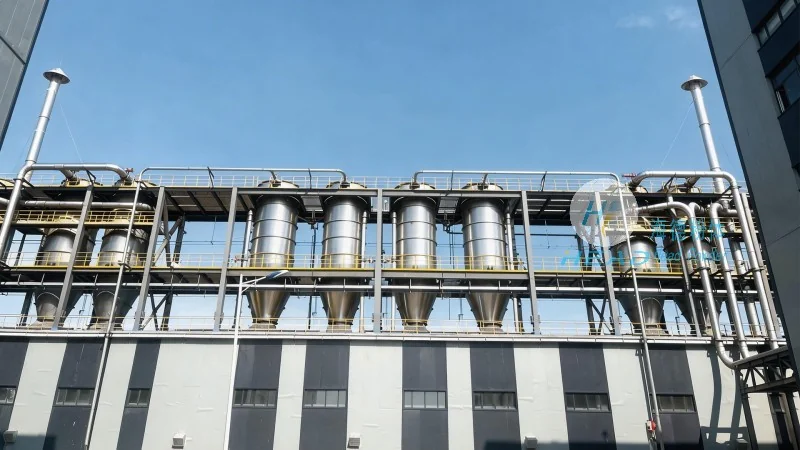
Understanding Coal Sand Powder Pneumatic Conveying Equipment
Coal sand powder pneumatic conveying equipment is a specialized system designed to transport coal sand and other fine powders through a pipeline using compressed air or other gas streams. This technology offers a highly efficient and flexible method for moving bulk materials, eliminating the need for traditional mechanical conveyors that may suffer from blockages or wear due to abrasive materials like coal sand. The equipment is widely used in industries such as coal processing, power generation, and chemical manufacturing, where reliable and continuous material transport is critical.
Key Components of the Pneumatic Conveying System
The coal sand powder pneumatic conveying system typically consists of several key components that work in tandem to ensure smooth operation. These include a material hopper for storing the coal sand, a feeder to control the flow rate, a compressor or blower to generate the necessary air pressure, a pipeline network for transporting the material, and a receiver or discharge unit to collect the conveyed material. Each component plays a crucial role in maintaining the system's efficiency and preventing issues such as clogging or pressure loss.
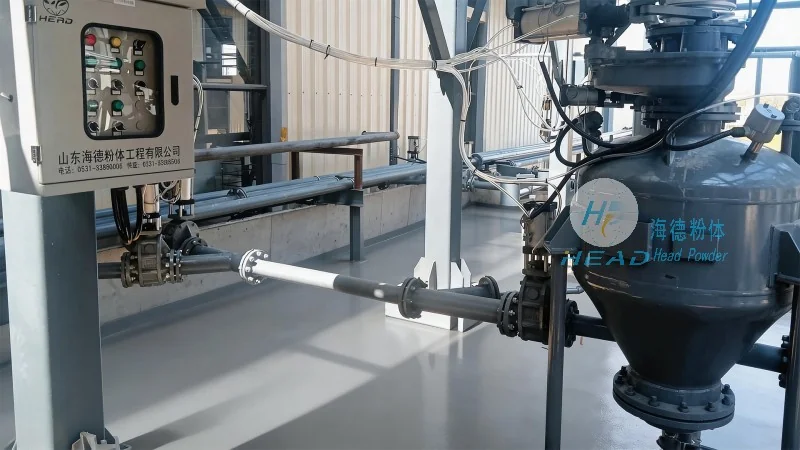
Design Principles for Efficient Material Transport
The design of a coal sand powder pneumatic conveying system is guided by several key principles to ensure optimal performance. One of the primary principles is the selection of appropriate air velocity, which must be high enough to keep the powder suspended in the air stream but low enough to prevent excessive wear on the pipeline and components. The system's design also considers the particle size and density of the coal sand, as these factors influence the required air pressure and flow rate. Additionally, the layout of the pipeline network is critical, as it must minimize bends and changes in direction to reduce pressure drop and maintain consistent material flow.
Advantages of Pneumatic Conveying for Coal Sand Applications
Compared to traditional mechanical conveyors, coal sand powder pneumatic conveying equipment offers several advantages that make it a preferred choice for many industries. One of the main benefits is its ability to handle abrasive and corrosive materials without significant wear or damage to the system components. The system also provides a dust-free and enclosed environment, reducing the risk of contamination and improving workplace safety. Furthermore, pneumatic conveying systems are highly flexible, allowing for easy integration with existing processing lines and the ability to transport materials over long distances without the need for multiple transfer points.
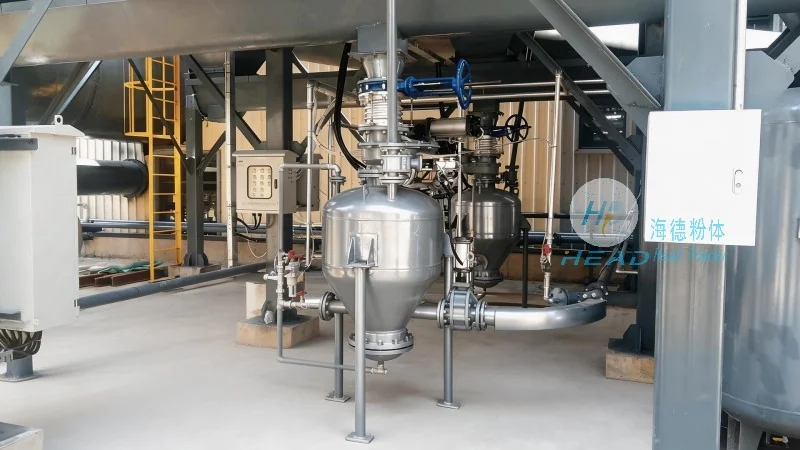
Applications in Coal Processing and Power Generation
Coal sand powder pneumatic conveying equipment is extensively used in coal processing facilities and power generation plants. In coal processing, the equipment is used to transport coal sand from storage silos to processing units, such as crushers or classifiers. In power plants, it is employed to move coal ash and other byproducts from the boiler to disposal or recycling facilities. The reliability and efficiency of these systems are essential for maintaining the continuous operation of these facilities, as any downtime can result in significant production losses.
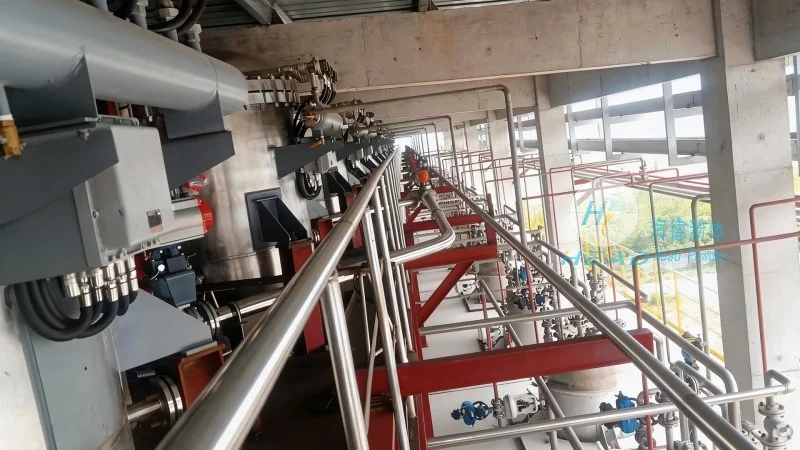
Maintenance and Operational Considerations
Proper maintenance is crucial for ensuring the long-term performance and reliability of coal sand powder pneumatic conveying equipment. Regular inspections of the pipeline and components for signs of wear or damage are necessary to prevent leaks or blockages. The compressor or blower should be maintained to ensure consistent air pressure, and the feeder should be checked for proper flow control. Additionally, the system should be cleaned regularly to remove any accumulated dust or debris, which can affect performance and reduce the lifespan of components. Proper operational procedures, such as starting and stopping the system in the correct sequence, also contribute to the overall efficiency and safety of the equipment.
Conclusion
Coal sand powder pneumatic conveying equipment is a vital component in modern material handling systems, offering an efficient and reliable method for transporting fine powders like coal sand. The design principles and components of these systems are carefully engineered to ensure optimal performance, durability, and safety. As a leading manufacturer based in Shandong, China, HeadPowder continues to innovate and provide high-quality solutions for the coal and power industries, helping to improve operational efficiency and reduce costs for its clients.