

[Soybean Meal Powder Pneumatic Conveying Equipment: Understanding Its Design Principles]
HeadPowder, a leading engineering company based in Shandong, China, specializes in the design and manufacturing of advanced pneumatic conveying systems tailored for handling bulk powders such as soybean meal. This article delves into the functionality and design principles of soybean meal powder pneumatic conveying equipment, providing a comprehensive overview for industry professionals seeking efficient and reliable material transport solutions.
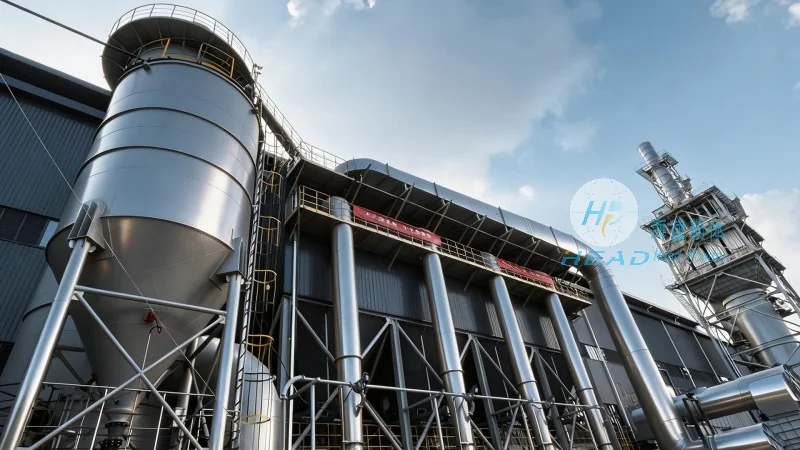
Introduction to Soybean Meal Powder Pneumatic Conveying Equipment
Soybean meal is a crucial byproduct of soybean processing, widely used as animal feed and in various industrial applications. The efficient and hygienic transport of soybean meal from storage silos to processing lines is essential for maintaining product quality and operational efficiency. Pneumatic conveying equipment offers a non-contact, dust-free method to move these fine powders, making it an ideal choice for food and feed industries where contamination control is paramount. The equipment typically consists of a hopper, a conveyor line, and a control system, all working in tandem to ensure smooth and continuous material flow.
Key Components and Their Functions
The core components of a soybean meal powder pneumatic conveying system include the feed hopper, which stores and feeds the powder into the system; the air compressor or blower, which generates the necessary air pressure to move the material; the conveying line, which can be flexible or rigid depending on the application; and the receiver or discharge hopper, where the material is collected after transport. Each component plays a critical role in the overall performance of the system. The feed hopper is designed to minimize material bridging and ensure consistent feeding, while the air compressor provides the energy to propel the powder through the line. The conveying line's material and diameter are selected based on the powder's characteristics, such as particle size and moisture content, to prevent blockages and ensure efficient transport. The receiver is equipped with a discharge valve or gate to control the release of the material into the next processing stage.
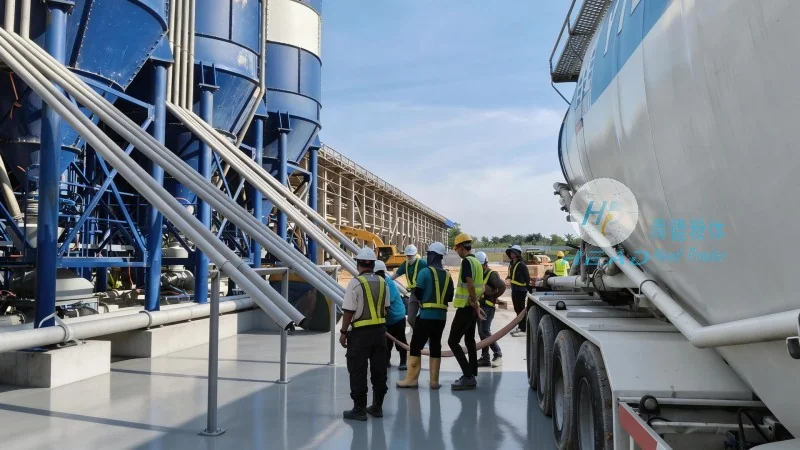
Design Principles for Efficient Pneumatic Conveying
The design of soybean meal powder pneumatic conveying equipment follows several key principles to ensure optimal performance. First, the system must be designed to handle the specific properties of soybean meal, including its fine particle size and potential for static charge buildup. To mitigate static, the equipment incorporates anti-static features such as grounding and conductive materials in the hopper and line. Second, the air-to-material ratio is carefully calculated to maintain a stable flow without causing excessive pressure drops or material degradation. A higher air-to-material ratio can improve conveying speed but may increase energy consumption and cause more wear on the system components. Third, the system is designed for easy maintenance and cleaning, with features like CIP (Clean-in-Place) capabilities to ensure compliance with food safety regulations. The use of stainless steel in construction is common to prevent corrosion and maintain hygiene standards.
Advantages of Pneumatic Conveying for Soybean Meal
Compared to traditional mechanical conveying methods like screw conveyors or belt conveyors, pneumatic conveying offers several advantages for soybean meal transport. The primary benefit is the non-contact nature of the process, which prevents contamination from equipment surfaces and reduces the risk of product degradation due to friction or temperature changes. This is particularly important in the food and feed industries where product purity is critical. Additionally, pneumatic systems can handle high volumes of material with minimal space requirements, making them suitable for large-scale operations. The flexibility of the conveying line allows for easy reconfiguration of the system layout, adapting to changes in production needs or facility expansions. Furthermore, the system can be integrated with automation and control systems to monitor and adjust parameters in real-time, enhancing operational efficiency and reducing downtime.
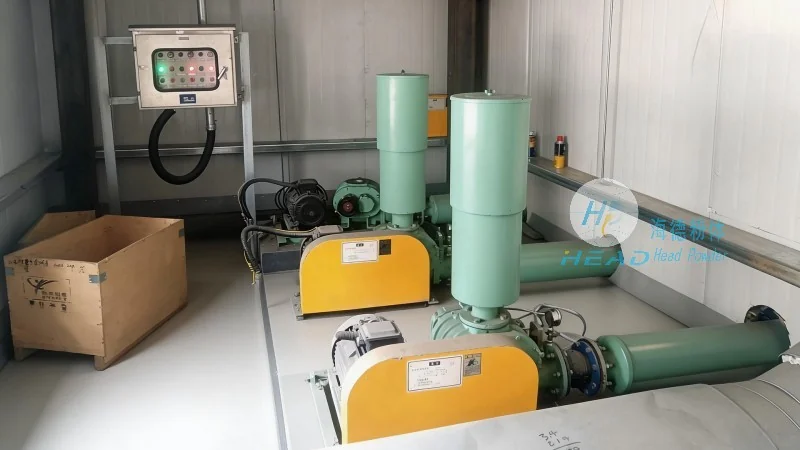
Application Examples and Case Studies
HeadPowder has successfully implemented soybean meal powder pneumatic conveying systems in various industrial settings. For instance, a large feed mill in Shandong, China, installed a 100-ton-per-hour pneumatic conveying system to transport soybean meal from storage silos to mixing lines. The system, equipped with a high-efficiency blower and stainless steel conveying lines, achieved a stable flow rate with minimal pressure drop, reducing energy consumption by 15% compared to a traditional screw conveyor system. Another application involved a food processing plant that required the transport of soybean meal from a storage silo to a grinding unit. The pneumatic system, designed with anti-static features and CIP capabilities, ensured that the material was conveyed without contamination and could be easily cleaned between batches, meeting strict hygiene standards. These case studies highlight the effectiveness of pneumatic conveying in improving operational efficiency and maintaining product quality in soybean meal handling applications.
Conclusion and Future Considerations
Soybean meal powder pneumatic conveying equipment, designed with advanced engineering principles, offers a reliable and efficient solution for transporting bulk powders in the food and feed industries. The non-contact, hygienic nature of the system, combined with its ability to handle high volumes and adapt to changing production needs, makes it a preferred choice for modern processing facilities. As technology advances, future developments may include more energy-efficient air compressors, advanced control systems for real-time monitoring, and materials with improved anti-static properties. However, the core design principles of maintaining product integrity, ensuring system reliability, and adhering to hygiene standards will remain central to the development of pneumatic conveying systems for soybean meal and other fine powders. HeadPowder continues to innovate in this field, providing tailored solutions that meet the specific needs of its clients and contribute to the overall efficiency of their operations.