

What is Manganese Sulfate Powder Pneumatic Conveying Equipment? Exploring Its Design Principles
Manganese sulfate is a vital chemical compound utilized across diverse industrial sectors, including battery production, fertilizer manufacturing, and water treatment. The efficient handling and transportation of manganese sulfate powder are crucial for maintaining production efficiency and ensuring product quality. Pneumatic conveying equipment has emerged as a reliable solution for this purpose, particularly when dealing with fine powders like manganese sulfate. This article explores the concept of manganese sulfate powder pneumatic conveying equipment and delves into the underlying design principles that enable its effective operation.
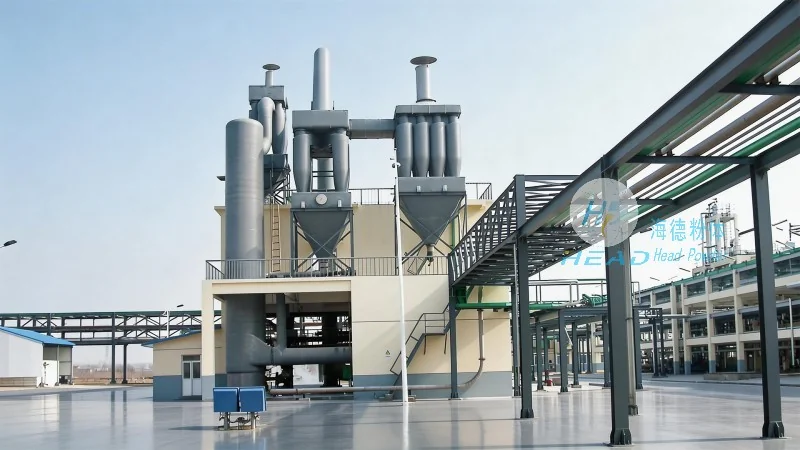
Understanding Pneumatic Conveying Technology
Pneumatic conveying is a method of transporting bulk materials through a pipeline using compressed air or other gas. Unlike traditional mechanical conveying systems, which rely on belts, screws, or buckets, pneumatic systems utilize air pressure to move materials. This technology is especially advantageous for handling fine powders such as manganese sulfate, which can be susceptible to dust, caking, or segregation if not managed properly. The core components of a pneumatic conveying system typically include a hopper, a feeder, a pipeline, a venturi or air lock, and a receiver. Each component plays a critical role in ensuring the smooth and safe transport of the powder.
Key Design Principles of Manganese Sulfate Powder Pneumatic Conveying Equipment
The design of manganese sulfate powder pneumatic conveying equipment is tailored to address the specific challenges associated with this material. Several key principles guide the engineering of such systems:
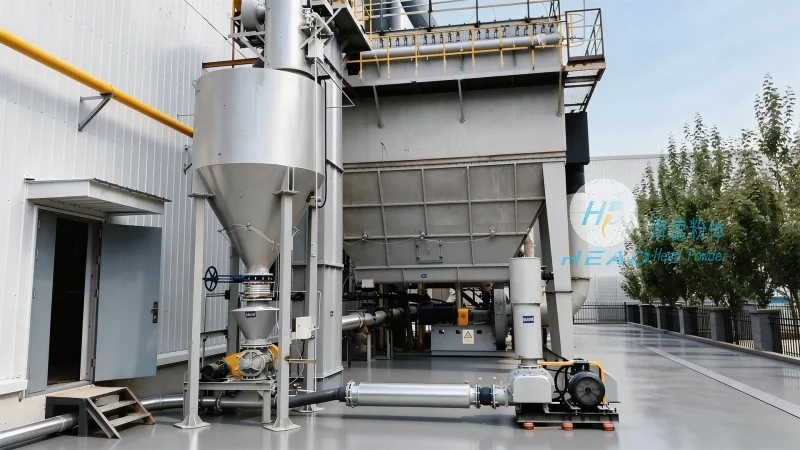
- Material Compatibility: The equipment must be constructed from materials resistant to corrosion and chemical attack from manganese sulfate. Stainless steel or specialized alloys are commonly used for the hopper, feeder, and pipeline to prevent degradation and ensure long-term durability.
- Air Flow Optimization: Proper air flow rate is critical for efficient conveying. The system must be designed to maintain a consistent and sufficient air velocity to prevent particle settling or blockages. This involves calculating the required air volume based on the powder's bulk density, particle size, and moisture content.
- Pressure and Flow Control: Precise control of air pressure and flow is essential to avoid excessive energy consumption or equipment damage. Variable frequency drives (VFDs) and pressure sensors are often integrated into the system to regulate air flow dynamically, adapting to changes in material feed rate.
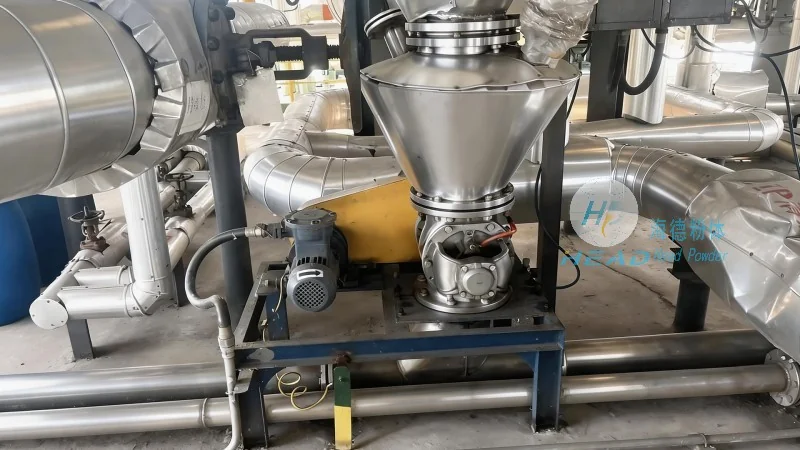
- Prevention of Caking and Agglomeration: Manganese sulfate powder can cake or agglomerate under certain conditions, leading to blockages. The design incorporates features such as vibration mechanisms, air knives, or rotary valves to break up clumps and maintain a free-flowing powder.
- Environmental and Safety Considerations: Pneumatic conveying systems must comply with safety regulations to prevent dust explosions and ensure operator safety. Explosion-proof designs, dust collection systems, and proper ventilation are integral parts of the equipment's design.
Components and Their Functions in Manganese Sulfate Powder Pneumatic Conveying Systems
Each component of a manganese sulfate powder pneumatic conveying system serves a specific function, contributing to the overall efficiency and reliability of the equipment. The following are the primary components and their roles:
- Hopper: The hopper is the storage container where the manganese sulfate powder is held before being fed into the system. It is designed to maintain a consistent material level and prevent spillage. The hopper is typically equipped with a discharge valve or feeder to control the flow rate.
- Feeder: The feeder is responsible for accurately metering the powder into the conveying line. Common types include rotary valves, screw feeders, or vibratory feeders. The feeder must be capable of handling fine powders without causing excessive pressure drop or particle degradation.
- Pipeline: The pipeline is the main conduit for transporting the powder and air. It is usually made of stainless steel or plastic, depending on the material's corrosiveness. The pipeline design considers factors such as air velocity, pressure drop, and material flow to ensure smooth transport.
- Venturi or Air Lock: The venturi or air lock is the section where the powder is accelerated by the compressed air. The venturi uses a converging-diverging nozzle to increase air velocity, while the air lock uses a rotating mechanism to create a vacuum and draw the powder into the line. Both components are critical for efficient conveying.
- Receiver: The receiver is the final storage container where the conveyed powder is deposited. It is designed to handle the incoming material and prevent spillage or contamination. The receiver may also include a discharge valve or outlet for further processing.
Advantages of Using Manganese Sulfate Powder Pneumatic Conveying Equipment
Implementing pneumatic conveying systems for manganese sulfate powder offers several advantages over traditional mechanical methods:
- Reduced Downtime and Maintenance: Pneumatic systems are generally more reliable and require less maintenance compared to mechanical systems, which are prone to wear and tear from moving parts.
- Improved Product Quality: By preventing material segregation and caking, pneumatic conveying ensures that the powder remains uniform and free-flowing, maintaining consistent product quality.
- Enhanced Safety: The enclosed system reduces dust exposure and minimizes the risk of dust explosions, creating a safer working environment.
- Energy Efficiency: Modern pneumatic systems are designed to optimize air usage, reducing energy consumption and operational costs.
- Flexibility and Scalability: Pneumatic conveying systems can be easily scaled to accommodate varying production volumes and can be integrated with existing facilities without major modifications.
Applications of Manganese Sulfate Powder Pneumatic Conveying Equipment
Manganese sulfate powder pneumatic conveying equipment is widely used in various industries where manganese sulfate is a key component. Some common applications include:
- Battery Manufacturing: Manganese sulfate is used in the production of lithium-ion batteries and other rechargeable batteries. Pneumatic conveying ensures the efficient transport of the powder to the battery cell manufacturing lines.
- Fertilizer Production: Manganese sulfate is a micronutrient used in agricultural fertilizers. The equipment is used to convey the powder from storage to mixing and packaging facilities.
- Water Treatment: Manganese sulfate is used in water treatment processes to remove impurities and improve water quality. Pneumatic systems facilitate the transport of the powder to treatment plants.
- Chemical Processing: In chemical manufacturing, manganese sulfate is used as a catalyst or reagent. The equipment ensures the safe and efficient handling of the powder during processing.
Conclusion and Company Overview
Manganese sulfate powder pneumatic conveying equipment is a sophisticated and essential tool for industries relying on this critical chemical compound. The design principles, components, and advantages outlined in this article highlight the importance of selecting and implementing a well-engineered system. For businesses seeking reliable and efficient solutions for handling manganese sulfate powder, Shandong HeadPowder Engineering Co., Ltd. offers specialized equipment and expertise. With a focus on quality and innovation, HeadPowder provides pneumatic conveying systems tailored to meet the unique needs of each client, ensuring optimal performance and long-term value.