

What is Sodium Bicarbonate Powder Pneumatic Conveying Equipment? And What Are Its Design Principles?
Sodium bicarbonate, commonly known as baking soda, is a widely used chemical compound in various industries, including food processing, pharmaceuticals, and chemical manufacturing. The efficient and safe transportation of sodium bicarbonate powder is crucial for industrial operations. Pneumatic conveying equipment has emerged as a reliable solution for handling this fine powder, offering advantages such as low maintenance, reduced contamination, and the ability to transport materials over long distances. This article explores the concept of sodium bicarbonate powder pneumatic conveying equipment and delves into its design principles, highlighting the technology's significance in modern industrial processes.
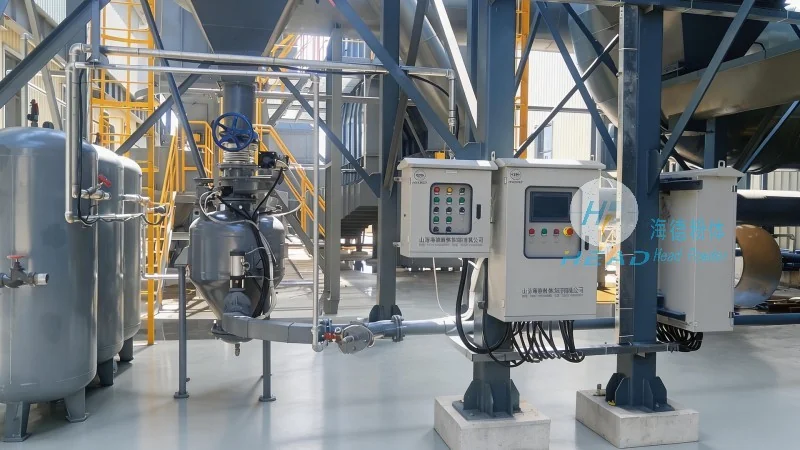
Introduction to Sodium Bicarbonate Powder Pneumatic Conveying Equipment
Pneumatic conveying equipment is a system designed to transport bulk materials, like sodium bicarbonate powder, using a gas stream, typically air or other gases. This method eliminates the need for mechanical components like belts or buckets, making it ideal for handling fine, dusty, or abrasive powders. The equipment consists of several key components, including a feeder, a conveying line, a separator, and a receiver. The process involves feeding the powder into the system, where it is mixed with the gas, and then transported to the destination. The design of this equipment is tailored to the specific properties of sodium bicarbonate, such as its particle size, flowability, and moisture content, ensuring optimal performance and minimal product degradation.
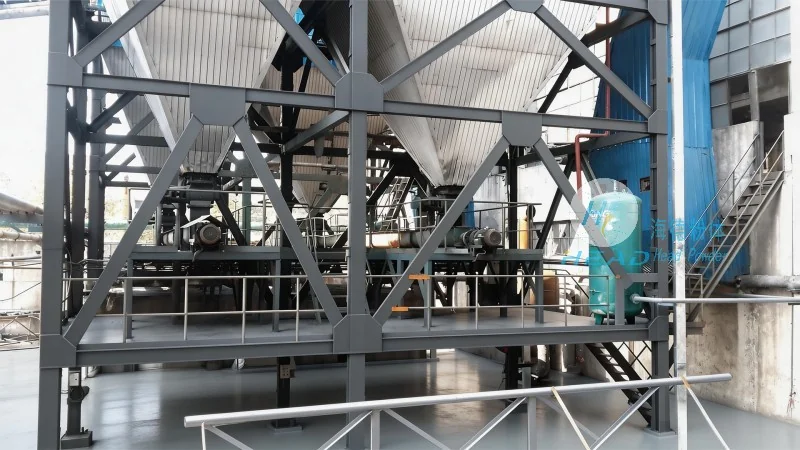
Design Principles of the Equipment
The design of sodium bicarbonate powder pneumatic conveying equipment is based on several fundamental principles to ensure efficient and safe operation. One of the primary principles is maintaining a consistent air flow rate and pressure to achieve reliable material transport. The system typically operates under positive pressure, where the air pressure is higher than the ambient pressure, preventing dust leakage and ensuring the powder moves smoothly through the conveying line. Another critical principle is the selection of appropriate materials for the equipment components. Since sodium bicarbonate is a mild chemical, the equipment is often constructed from corrosion-resistant materials like stainless steel or food-grade plastics to prevent contamination and ensure durability. The design also considers the particle size distribution of the powder, as larger particles may require higher air velocities to prevent blockages, while smaller particles need lower velocities to avoid excessive wear on the system components.
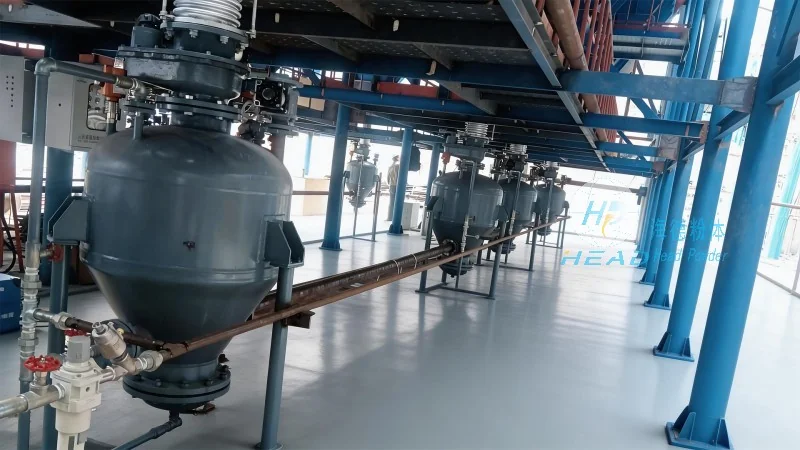
Key Components and Their Functions
The effectiveness of sodium bicarbonate powder pneumatic conveying equipment relies on the proper functioning of its key components. The feeder is responsible for introducing the powder into the system at a controlled rate, ensuring a steady flow. Common types of feeders include rotary valves and screw feeders, which can handle varying powder quantities and maintain consistent feeding. The conveying line, usually made of metal or plastic pipes, carries the powder and air mixture from the feeder to the destination. The design of the line, including its diameter and length, is critical to minimize pressure drop and energy consumption. The separator is a crucial component that separates the powder from the air stream at the end of the conveying line. This is typically achieved through a cyclone separator or a bag filter, which captures the powder and returns it to the receiver while allowing the air to be discharged. The receiver is the final container where the transported powder is collected, and it is designed to prevent dust emissions and maintain product quality.
Application Scenarios and Benefits
Sodium bicarbonate powder pneumatic conveying equipment is widely used in various industrial applications. In the food industry, it is used for transporting baking soda to production lines, ensuring a clean and hygienic process. In pharmaceutical manufacturing, the equipment is employed to handle raw materials, maintaining the purity and quality of the final products. The chemical industry also utilizes this technology for transporting sodium bicarbonate in chemical reactions or storage processes. The benefits of using pneumatic conveying for sodium bicarbonate include reduced labor costs, improved safety by eliminating manual handling, and increased efficiency in material transport. Additionally, the system can be integrated with other industrial processes, such as mixing or packaging, to streamline operations and enhance productivity.
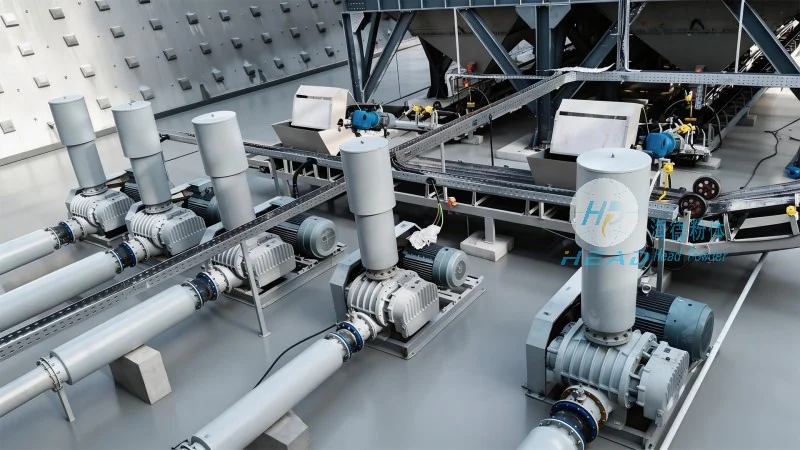
Company Profile: Shandong HeadPowder Engineering Co., Ltd.
Shandong HeadPowder Engineering Co., Ltd. is a leading manufacturer of pneumatic conveying equipment, specializing in solutions for handling fine powders like sodium bicarbonate. The company is headquartered in Shandong, China, and has a strong reputation for delivering high-quality, reliable equipment tailored to the specific needs of its clients. With years of experience in the industry, HeadPowder has developed advanced designs that incorporate the latest technology and engineering principles. The company's products are known for their durability, efficiency, and compliance with international standards, making them suitable for various industrial applications. Shandong HeadPowder Engineering Co., Ltd. continues to innovate and provide customized solutions to meet the evolving demands of the market, ensuring that its clients can achieve optimal performance and cost-effectiveness in their operations.