

What is a Ferrous Sulfate Powder Pneumatic Conveying System? And What Are Its Design Principles?
When it comes to transporting ferrous sulfate powder efficiently and safely, a pneumatic conveying system is often the optimal solution. This technology is widely used in various industrial applications, and understanding its design principles is crucial for maximizing performance and reliability. In this article, we will explore the fundamental aspects of a ferrous sulfate powder pneumatic conveying system, focusing on its design principles and operational efficiency.
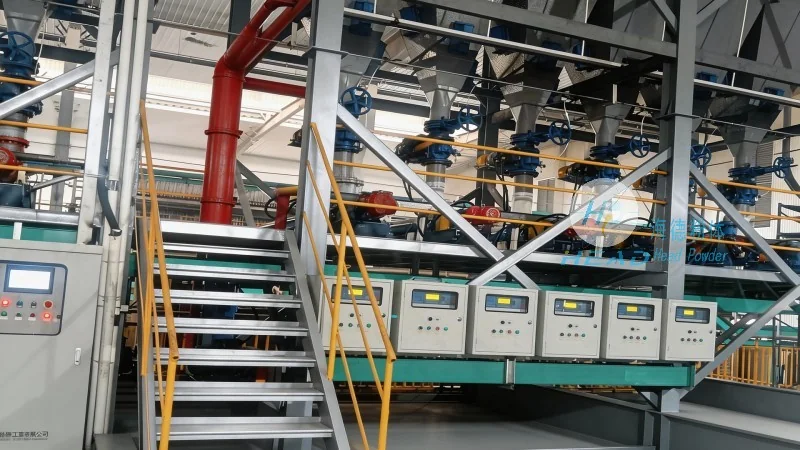
Understanding Ferrous Sulfate Powder Pneumatic Conveying Systems
At its core, a pneumatic conveying system uses air or other gases to transport bulk materials like ferrous sulfate powder from one location to another. This method offers several advantages over traditional mechanical conveying systems, such as reduced equipment wear, lower maintenance costs, and the ability to handle materials that are difficult to transport through conventional means. The system typically consists of a hopper, a feeder, a conveyor line, and a receiver, all working in tandem to ensure smooth material flow.
The Role of Ferrous Sulfate Powder in Industrial Applications
Ferrous sulfate, also known as iron(II) sulfate, is a widely used chemical in industries ranging from water treatment to agriculture and manufacturing. Its fine powder form requires specialized handling to prevent dust accumulation and ensure consistent quality. A pneumatic conveying system addresses these challenges by providing a closed-loop transport solution that maintains the material's integrity and prevents contamination.
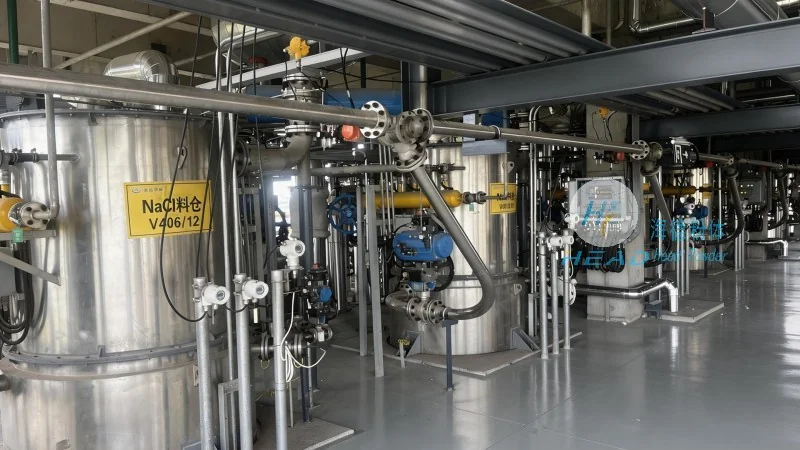
Key Design Principles for Ferrous Sulfate Powder Pneumatic Conveying
The design of a ferrous sulfate powder pneumatic conveying system involves several critical principles to ensure optimal performance. First, the system must be designed to handle the specific properties of ferrous sulfate powder, including its particle size, density, and flowability. The selection of appropriate air velocity and pressure is essential to prevent material segregation and ensure uniform flow. Additionally, the system should incorporate features like pulse-jet or rotary airlock feeders to maintain consistent material feed and prevent blockages.
Components and Their Functions in the Conveying System
Each component of the pneumatic conveying system plays a vital role in the overall operation. The hopper serves as the storage container, providing a consistent supply of ferrous sulfate powder to the feeder. The feeder, often a rotary valve or a screw feeder, regulates the flow rate of the powder into the conveyor line. The conveyor line itself, which can be either a positive or negative pressure system, transports the material using compressed air. The receiver collects the conveyed powder and may include a dust collection system to maintain air quality. Proper sealing and maintenance of these components are essential to prevent material loss and ensure long-term system efficiency.
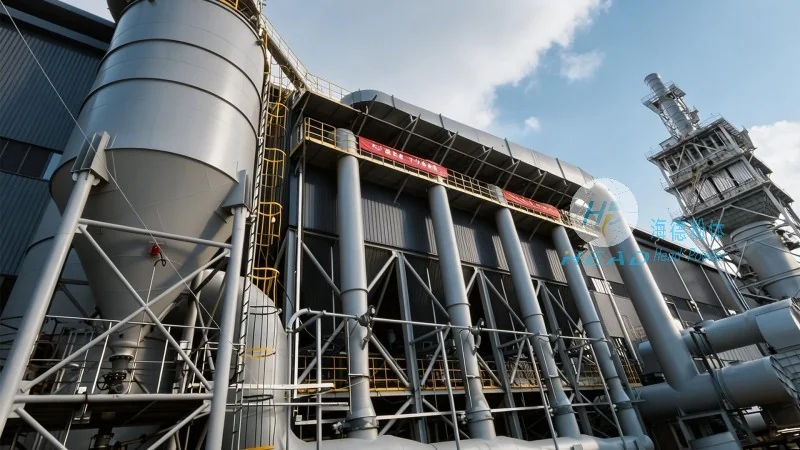
Advantages of Using a Pneumatic Conveying System for Ferrous Sulfate
Compared to other conveying methods, a pneumatic system offers several benefits for ferrous sulfate powder transport. It eliminates the need for mechanical components that can cause wear and tear, reducing maintenance requirements and downtime. The closed-loop design minimizes dust emissions, making it safer for both operators and the environment. Furthermore, the system can be easily integrated with other industrial processes, allowing for seamless material handling and improved overall productivity.
Considerations for System Sizing and Installation
When designing a ferrous sulfate powder pneumatic conveying system, several factors must be considered to ensure it meets the specific needs of the application. The system's capacity must be matched to the required flow rate, taking into account the material's bulk density and the desired conveying distance. The air pressure and velocity must be optimized to prevent material degradation and ensure efficient transport. Additionally, the system should be installed with proper support structures and vibration dampeners to minimize noise and structural stress.
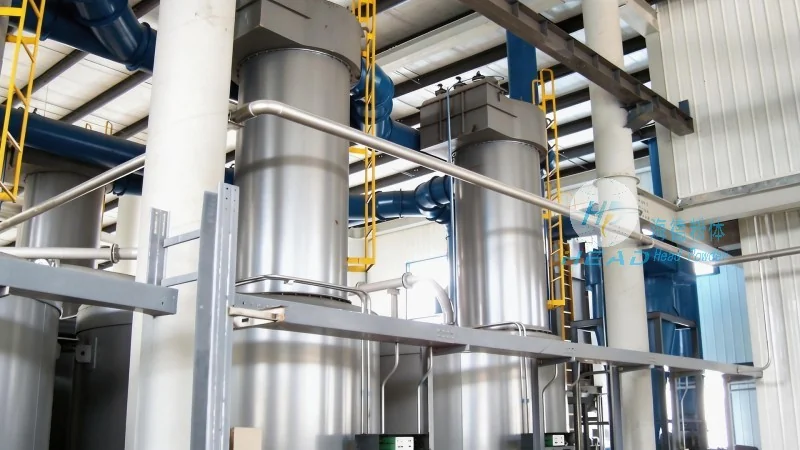
Maintenance and Operational Best Practices
To maintain the efficiency and longevity of a ferrous sulfate powder pneumatic conveying system, regular maintenance is essential. This includes cleaning the hopper and feeder to prevent material buildup, inspecting the air filters and compressors for proper operation, and checking the conveyor line for any signs of wear or blockages. Operational best practices also include monitoring the system's performance metrics, such as flow rate and pressure, to identify any potential issues before they become major problems.
Conclusion: The Importance of Proper Design and Implementation
A well-designed ferrous sulfate powder pneumatic conveying system is a critical asset for any industrial operation that handles this material. By understanding the key design principles and components, companies can ensure efficient, safe, and reliable transport of ferrous sulfate powder. The system's ability to handle fine powders while minimizing dust and wear makes it an ideal choice for various applications. With proper maintenance and operational practices, a pneumatic conveying system can provide long-term benefits and contribute to the overall success of industrial processes.