

What is a cement raw material powder pneumatic conveying line? What are its design principles?
A cement raw material powder pneumatic conveying line is a specialized system designed to transport bulk powder materials, such as limestone, clay, and iron ore, from storage silos or raw material processing units to the cement production kiln. This technology is crucial in modern cement manufacturing, as it ensures efficient, dust-free, and continuous material handling, which directly impacts the overall productivity and quality of cement production. The system operates by using compressed air or other gas to create a flow that propels the powder through pipelines, eliminating the need for mechanical components like belts or buckets that are common in traditional bulk material handling systems.
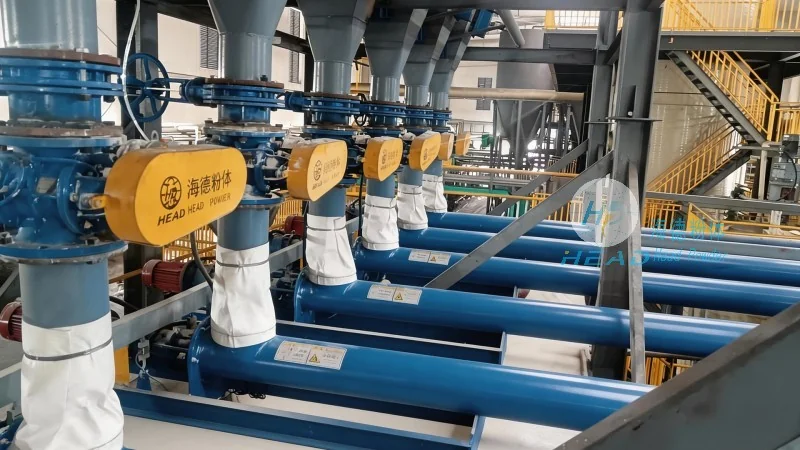
Key Components and Working Principle
The core components of a cement raw material powder pneumatic conveying line typically include a hopper for material storage, a feeder to control the flow rate, a conveying pipeline network, a pressure vessel or receiver to collect the material at the destination, and a blower or compressor to generate the necessary air pressure. The working principle involves feeding the raw material into the hopper, where it is then drawn into the feeder. The feeder regulates the material flow, ensuring a consistent and controlled rate. Simultaneously, the blower creates a negative pressure or positive pressure within the pipeline, depending on the system design (e.g., suction or pressure conveying). This air flow carries the powder particles through the pipeline to the receiver, where the material is deposited. The air, now mixed with the powder, is then filtered and recycled back to the blower, minimizing energy waste and maintaining system efficiency.
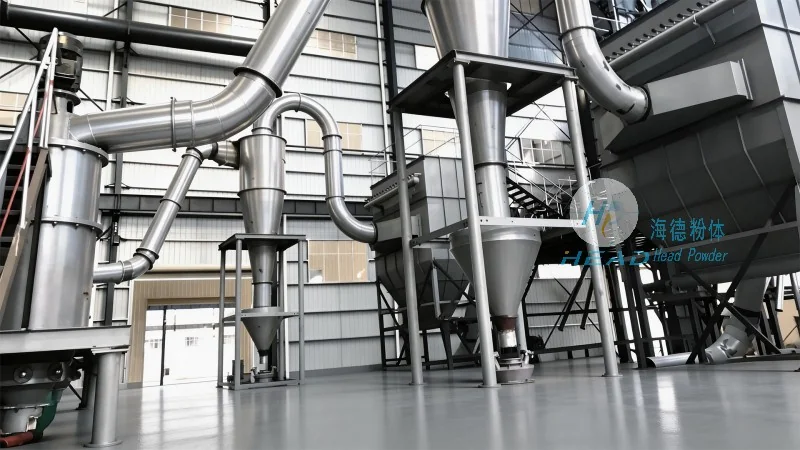
Design Principles for Optimal Performance
The design of a cement raw material powder pneumatic conveying line is governed by several critical principles to ensure reliable operation and high efficiency. First, the selection of the conveying method—either suction (negative pressure) or pressure (positive pressure)—depends on factors such as the distance between the source and destination, the material's properties (e.g., particle size, moisture content, and flowability), and the required flow rate. Suction systems are generally used for shorter distances and lower flow rates, while pressure systems are preferred for longer distances or higher flow rates due to their ability to handle larger particle sizes and more abrasive materials. Second, the pipeline diameter and layout are carefully engineered to minimize pressure drop and prevent blockages. The pipeline is typically made of materials like stainless steel or carbon steel, chosen for their durability and resistance to corrosion from the raw materials. Additionally, the system incorporates features like pulse-jet cleaning to prevent material buildup in the pipelines, ensuring consistent performance over time. Third, the control system plays a vital role in maintaining optimal operation. Modern systems use sensors and automation to monitor parameters such as pressure, flow rate, and material level, allowing for real-time adjustments and preventing system failures. This automation enhances the system's reliability and reduces the need for manual intervention, which is essential for continuous cement production.
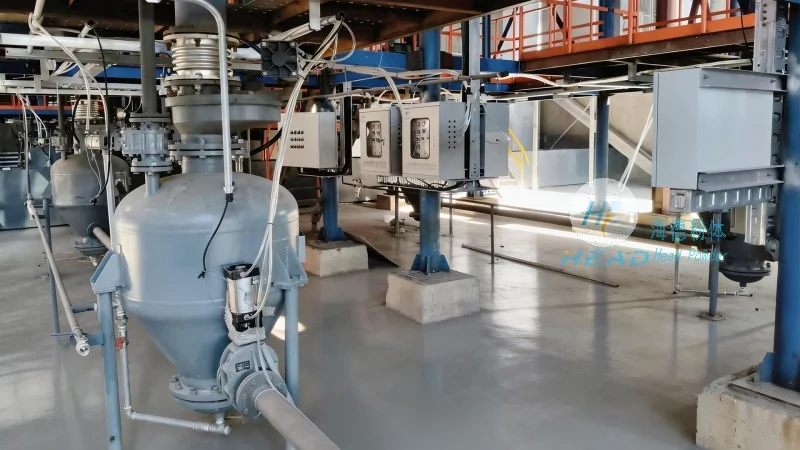
Applications and Benefits in Cement Production
Cement raw material powder pneumatic conveying lines are widely used in the cement industry for transporting raw materials from the quarry to the raw mill, and from the raw mill to the kiln. The primary benefits of this technology include improved material handling efficiency, reduced labor costs, and enhanced safety compared to traditional methods. By eliminating the need for manual handling or mechanical conveyors, the system minimizes the risk of dust exposure and material spillage, which are common issues in traditional bulk material transport. Additionally, the dust-free operation contributes to a cleaner working environment, which is beneficial for both workers and the surrounding community. The system also offers flexibility in terms of layout, as the pipelines can be installed in various configurations to accommodate different plant layouts and production requirements. This adaptability makes it suitable for both new cement plants and existing facilities undergoing upgrades. Furthermore, the energy efficiency of pneumatic conveying systems is higher than that of mechanical systems, as the air can be recycled and reused, reducing energy consumption and operational costs.