

What is an Alumina Material Pneumatic Conveying System? And What Are Its Design Principles?
Alumina, a critical raw material widely used in the production of ceramics, refractories, and other high-tech applications, requires efficient and reliable handling systems to ensure optimal performance and safety in industrial processes. Among the various material handling technologies, pneumatic conveying systems have emerged as a preferred solution for transporting alumina powder due to their ability to handle fine particles, minimize dust emissions, and maintain product integrity. This article explores the fundamental concepts of an alumina material pneumatic conveying system and delves into the core design principles that govern its operation, with a focus on the expertise of Shandong HeadPowder Engineering Co., Ltd., a leading provider in this field based in China.
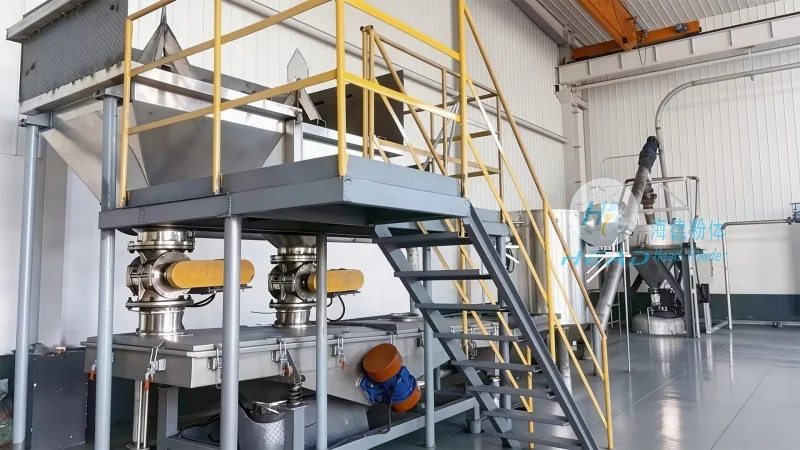
Introduction to Alumina Material Pneumatic Conveying Systems
Alumina, chemically known as aluminum oxide (Al₂O₃), is a white or off-white crystalline powder with a high melting point and excellent thermal stability. Its fine particle size and cohesive nature make it challenging to transport using traditional methods like belt conveyors or bucket elevators, as these systems often lead to material degradation, dust generation, and operational inefficiencies. Pneumatic conveying systems offer a solution by utilizing air or other gases to transport the material through a network of pipes, providing a closed-loop system that enhances safety and environmental compliance.
Understanding Pneumatic Conveying Technology
Pneumatic conveying systems operate on the principle of transporting bulk materials in a fluidized or suspended state using pressurized air. There are two primary types of pneumatic conveying: pressure and vacuum systems. Pressure systems use compressed air to push the material through the pipeline, while vacuum systems use a vacuum to draw the material into the system. For alumina, which is often handled in fine powder form, pressure systems are more commonly employed due to their ability to handle high concentrations of solids and maintain consistent flow rates.
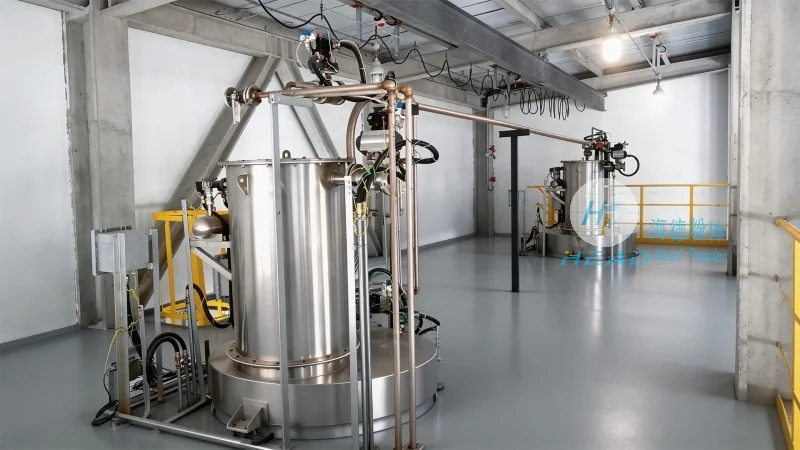
Key Components of an Alumina Pneumatic Conveying System
An effective alumina pneumatic conveying system consists of several interconnected components, each playing a crucial role in the overall operation. The primary components include:
- Feeder: The feeder is responsible for feeding the alumina powder into the conveying system at a controlled rate. For fine powders like alumina, rotary feeders or screw feeders are commonly used to ensure a consistent and uniform material flow, preventing blockages and maintaining system efficiency.
- Conveying Line: The conveying line, typically made of stainless steel or other corrosion-resistant materials, is designed to withstand the abrasive nature of alumina particles and the pressure or vacuum conditions. The pipe diameter and length are carefully selected based on the material's properties and the required transport distance to minimize pressure drop and energy consumption.
- Separation and Collection Equipment: At the receiving end of the system, separation equipment such as cyclones or bag filters is used to separate the alumina powder from the air stream. This step is critical for maintaining product purity and ensuring compliance with environmental regulations. The collected material is then transferred to storage silos or processing equipment.
- Control and Monitoring Systems: Modern pneumatic conveying systems are equipped with advanced control systems that monitor pressure, flow rate, and other parameters in real-time. These systems allow for automated operation, reducing the need for manual intervention and enhancing process reliability.
Design Principles for Alumina Pneumatic Conveying Systems
The design of an alumina pneumatic conveying system involves a comprehensive analysis of several factors to ensure optimal performance and longevity. Key design principles include:
- Material Characterization: Before designing the system, it is essential to characterize the alumina powder's properties, including particle size distribution, bulk density, and flowability. These parameters directly influence the selection of feeder type, pipe diameter, and operating pressure. For example, finer particles may require higher air velocities to maintain suspension, while coarser particles may need larger pipe diameters to prevent blockages.
- System Configuration: The configuration of the conveying system, such as the number of bends, vertical and horizontal runs, and the overall layout, is designed to minimize pressure losses and energy consumption. The use of straight-line runs and smooth bends reduces friction and prevents material deposition, which can lead to system inefficiencies and maintenance issues.
- Pressure and Flow Rate Optimization: The operating pressure and flow rate are critical parameters that must be optimized to balance system performance and energy costs. Higher pressures can increase the conveying capacity but may also lead to higher energy consumption and equipment wear. Conversely, lower pressures may result in lower capacity but reduced operational costs. The design process involves calculating the required air velocity and pressure drop to ensure the material is fully suspended and transported efficiently.
- Equipment Selection: The selection of components, such as feeders, valves, and separation equipment, is based on the material's properties and the system's operating conditions. For alumina, which is abrasive and can cause wear on equipment, high-quality materials like stainless steel or special alloys are used to extend the system's lifespan and maintain product quality.
Benefits of Using Alumina Pneumatic Conveying Systems
Implementing a pneumatic conveying system for alumina offers several advantages over traditional handling methods. These benefits include:
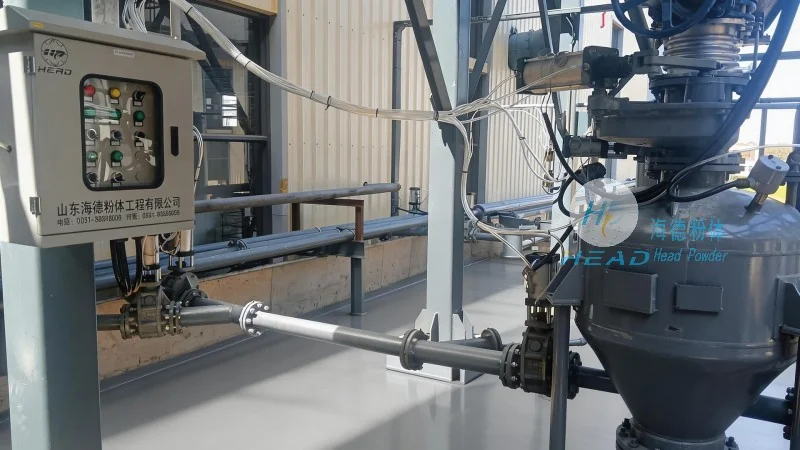
- Enhanced Product Integrity: The closed-loop system minimizes exposure to air and moisture, preventing oxidation or contamination of the alumina powder. This is particularly important for high-purity applications where product quality is critical.
- Reduced Dust and Environmental Impact: Pneumatic conveying systems are enclosed, which significantly reduces dust emissions compared to open conveyors. This improves workplace safety and helps companies comply with environmental regulations.
- Improved Process Efficiency: By maintaining consistent flow rates and minimizing material degradation, pneumatic conveying systems enhance overall process efficiency and reduce downtime due to maintenance or material blockages.
- Flexibility and Scalability: Pneumatic conveying systems can be easily configured to handle varying material volumes and transport distances, making them suitable for both small-scale and large-scale industrial applications.
Shandong HeadPowder Engineering Co., Ltd.: A Leader in Alumina Pneumatic Conveying Solutions
Shandong HeadPowder Engineering Co., Ltd., a reputable company based in China, specializes in the design, manufacturing, and installation of advanced pneumatic conveying systems for various industrial applications, including alumina processing. With years of experience and a deep understanding of material handling technologies, HeadPowder provides customized solutions tailored to the specific needs of its clients. The company's expertise lies in integrating state-of-the-art components and adhering to rigorous design principles to ensure the reliability and efficiency of the systems it delivers.
HeadPowder's team of engineers and technicians work closely with clients to assess their material handling requirements, conduct thorough site surveys, and develop comprehensive system designs. The company's commitment to quality and innovation has earned it a strong reputation in the industry, with clients relying on its solutions to improve operational efficiency and product quality. Based in Shandong, China, HeadPowder leverages its local expertise and resources to deliver cost-effective and reliable pneumatic conveying systems that meet the highest standards of performance and safety.