

What is a Concrete Material Pneumatic Conveying System? What Are Its Design Principles?
For industries dealing with bulk material handling, understanding the concrete material pneumatic conveying system is essential. This system leverages air pressure to transport dry or semi-dry materials, such as concrete powders and aggregates, efficiently. The design principles behind these systems are critical to achieving optimal performance, reliability, and cost-effectiveness. Shandong HeadPowder Engineering Co., Ltd. (headpowder) specializes in providing advanced solutions tailored to the concrete industry's needs.
What is a Concrete Material Pneumatic Conveying System?
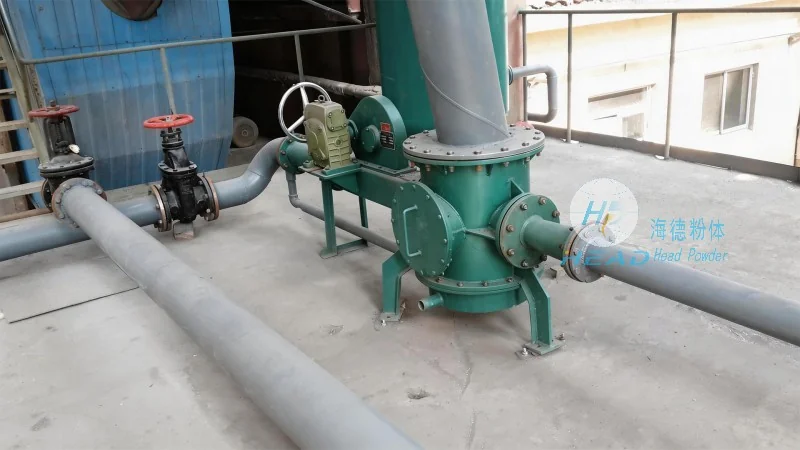
A concrete material pneumatic conveying system is a mechanical setup that moves bulk materials through a pipeline using compressed air or gas. Unlike traditional methods like belt conveyors or bucket elevators, this system relies on the kinetic energy of the air stream to propel the material. The system typically includes a hopper for material storage, a blower or compressor to generate air flow, a pipeline network, and a discharge point. The primary objective is to transport materials from one location to another with minimal human intervention and reduced risk of material degradation.
Key Components and Their Functions
The effectiveness of a concrete material pneumatic conveying system depends on its key components, each designed to ensure smooth operation. These components are:
1. Hopper: This storage vessel holds raw concrete materials before they enter the system. It is engineered to maintain a consistent material level and prevent clogging. The hopper features a discharge valve or feeder to control the material flow rate.
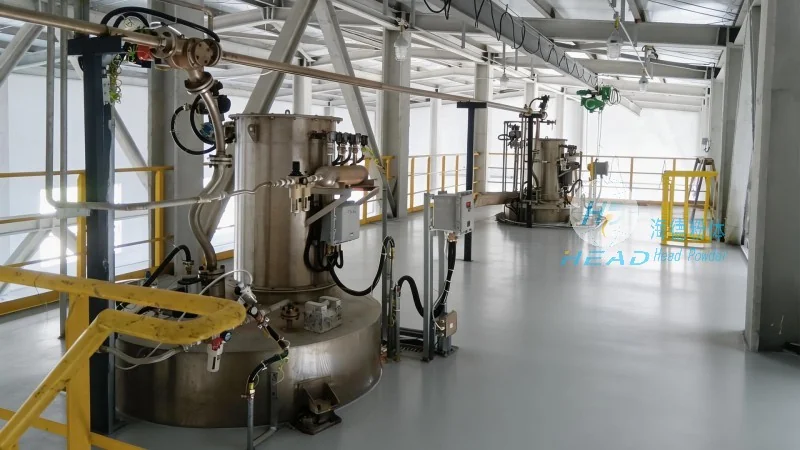
2. Feeder: The feeder meters material from the hopper and introduces it into the air stream. Common types include rotary valves, star feeders, or screw feeders, ensuring a steady and controlled feed rate.
3. Blower or Compressor: This component generates the necessary air pressure to move the material through the pipeline. The choice between a blower and a compressor depends on the system's pressure needs and material properties. High-pressure compressors are used for long-distance or high-resistance conveying, while blowers are suitable for shorter distances with lower resistance.
4. Pipeline: The pipeline serves as the conduit for the material and air. It is typically made of metal or plastic with smooth interior surfaces to minimize friction and material buildup. The pipeline may include bends, elbows, and expansion joints to accommodate changes in direction and pressure.
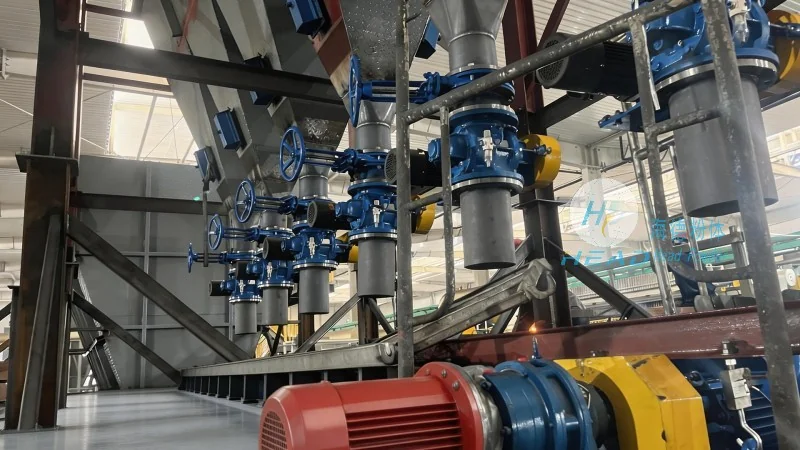
5. Discharge Point: At the end of the pipeline, the material is discharged into a receiving container or directly to the point of use. This point may include a filter or separator to remove excess air and prevent material loss.
Design Principles for Optimal Performance
The design principles of a concrete material pneumatic conveying system focus on achieving efficiency under various conditions. Key principles include:
1. Material Properties Analysis: The system's design considers the specific properties of the concrete material, such as particle size, density, moisture content, and flowability. These properties influence the required air velocity and equipment type.
2. Pressure and Velocity Optimization: Proper management of air pressure and velocity is vital to prevent material degradation and ensure efficient transport. Excessive velocity can cause abrasion and breakage, while insufficient velocity may lead to blockages. Engineers calculate the optimal air velocity based on material characteristics and pipeline length.
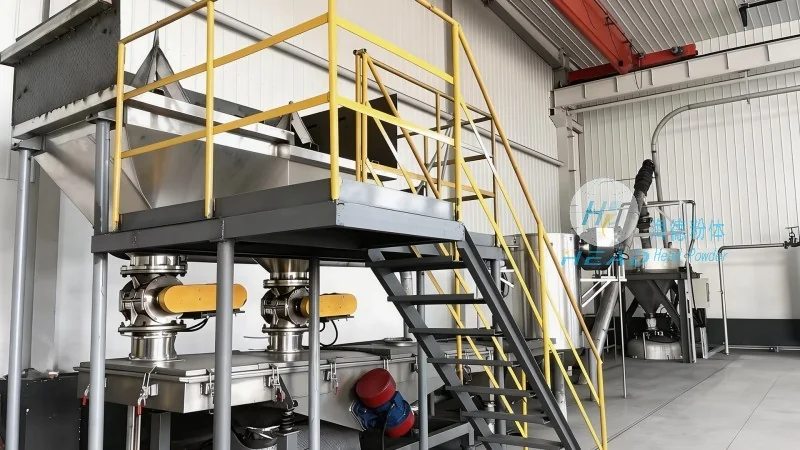
3. System Sizing and Layout: The system's size and layout are determined by the required conveying capacity, distance, and elevation changes. Pipeline diameter and length are selected to maintain the desired air velocity and pressure drop. The layout minimizes bends and obstacles to reduce energy consumption and prevent material accumulation.
4. Material Handling and Safety: The design incorporates safety features to handle the material effectively and protect personnel. This includes system sealing to prevent dust emissions, emergency shut-off valves, and monitoring systems to detect blockages or pressure changes.
Applications in Concrete Production and Construction
Concrete material pneumatic conveying systems are widely used in concrete production and construction sites. They are particularly beneficial for transporting raw materials like cement, fly ash, and sand from storage silos to mixing plants, and for moving finished concrete products from production facilities to construction sites. The systems offer advantages such as reduced labor costs, improved material quality, and enhanced safety compared to traditional methods.