

What is a Sulfur Flake Material Pneumatic Conveying System? What Are Its Design Principles?
When it comes to handling sulfur flake material efficiently and safely, pneumatic conveying systems have emerged as a reliable solution in industrial applications. These systems are designed to transport bulk materials like sulfur flakes through a pipeline using air or other gas as the conveying medium. Understanding the fundamentals of such systems, including their design principles, is crucial for optimizing material handling processes in various industries.
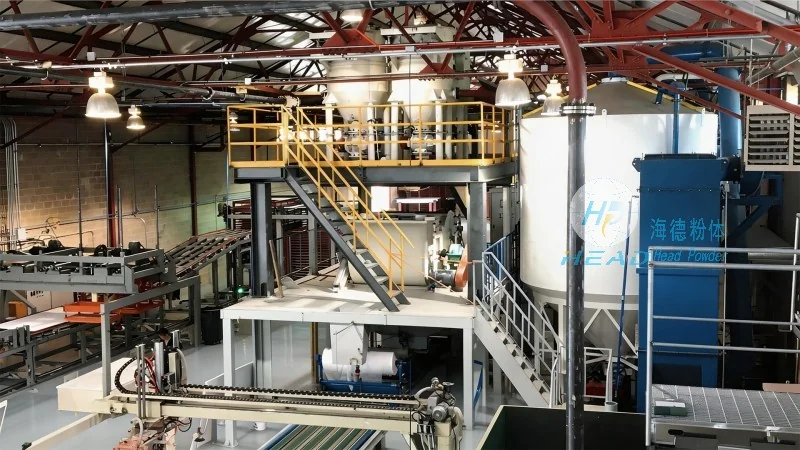
Introduction to Sulfur Flake Material Pneumatic Conveying Systems
Sulfur flake material, commonly used in the production of sulfuric acid and other chemical products, requires specialized handling due to its physical properties. Traditional methods like belt conveyors or bucket elevators may not be suitable for sulfur flakes, as they can cause dust generation, material degradation, or operational inefficiencies. Pneumatic conveying systems offer a solution by transporting the material in a closed system, minimizing exposure to the environment and ensuring consistent flow rates.
Design Principles of Pneumatic Conveying Systems for Sulfur Flakes
The design of a sulfur flake material pneumatic conveying system involves several key principles to ensure effective and safe operation. First, the system must be capable of generating sufficient air pressure or velocity to move the material through the pipeline. This typically involves a combination of positive displacement blowers or centrifugal fans, which provide the necessary airflow to lift and transport the sulfur flakes. The system also includes components such as hoppers, feeders, and pipelines, all designed to handle the specific characteristics of sulfur flakes, including their density, particle size, and flowability.
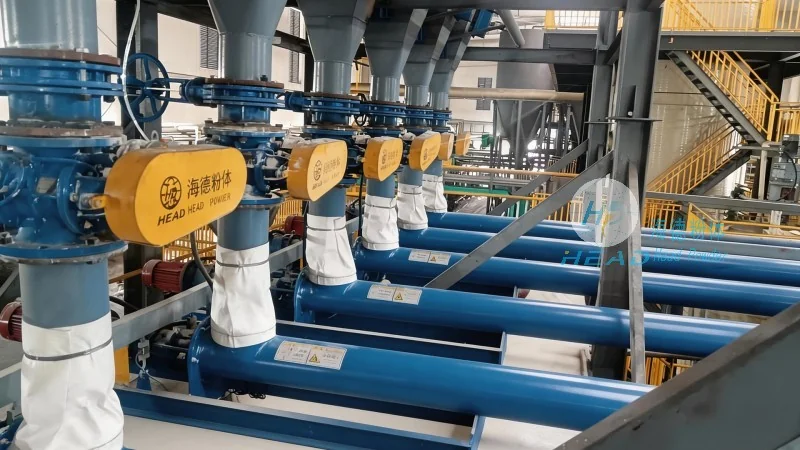
Key Components and Their Functions
Several critical components make up a pneumatic conveying system for sulfur flakes. The hopper serves as the storage and feeding unit, where the sulfur flakes are loaded and then metered into the system. The feeder, often a rotary valve or a screw feeder, controls the flow rate of the material into the pipeline, ensuring a consistent and controlled feed. The pipeline itself is typically made of materials resistant to sulfuric acid and corrosion, such as stainless steel or special alloys, to prevent degradation over time. Additionally, the system includes a filter or cyclone to separate the material from the air at the receiving end, preventing dust contamination and ensuring clean air discharge.
Advantages of Using Pneumatic Conveying Systems for Sulfur Flakes
Implementing a pneumatic conveying system for sulfur flakes offers numerous advantages over traditional material handling methods. One of the primary benefits is the reduction of dust and contamination, which is essential for maintaining product quality and compliance with environmental regulations. The closed system design also minimizes the risk of material spillage and improves workplace safety. Furthermore, pneumatic conveying systems can handle varying material flow rates and can be easily integrated with other processing equipment, enhancing overall operational efficiency. The system's ability to transport materials over long distances without the need for multiple transfer points also contributes to cost savings and improved process reliability.
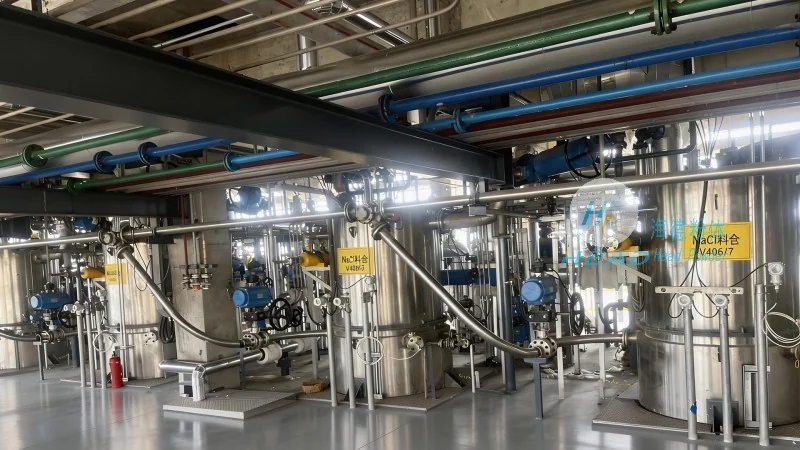
Application Scenarios and Industry Use Cases
Sulfur flake material pneumatic conveying systems are widely used in various industries, including chemical manufacturing, petrochemical processing, and fertilizer production. In chemical plants, these systems are used to transport sulfur flakes from storage silos to reactors or conversion units, ensuring a continuous and controlled supply of raw material. In petrochemical facilities, they help in the handling of sulfur-containing byproducts, facilitating their transfer to treatment or recovery processes. The systems are also employed in fertilizer plants, where sulfur flakes are used as a key component in the production of sulfur-based fertilizers. Each application requires a customized system design to meet the specific requirements of the process, including material characteristics, flow rates, and distance of transport.
Customization and System Integration by Shandong HeadPowder Engineering Co., Ltd.
Shandong HeadPowder Engineering Co., Ltd., a leading provider of material handling solutions, specializes in designing and manufacturing pneumatic conveying systems tailored to the needs of sulfur flake material applications. With years of experience in the industry, the company understands the unique challenges associated with handling sulfur flakes and offers customized solutions that address these challenges effectively. The company's engineering team works closely with clients to assess their specific requirements, including material properties, processing capacity, and operational constraints, to develop a system that meets their needs. The systems are designed to be durable, efficient, and compliant with industry standards, ensuring long-term performance and reliability. HeadPowder's expertise in material handling technology enables them to provide comprehensive solutions that enhance the overall productivity and safety of industrial processes.