

Desulfurizer Material Pneumatic Conveying System: What It Is and Its Design Principles
Desulfurizer material pneumatic conveying systems are critical components in industrial processes, particularly in power plants and chemical facilities where sulfur removal is essential for environmental compliance and operational efficiency. These systems are engineered to transport desulfurizer powders, such as limestone or other alkaline materials, from storage silos to reactors or other processing units. The design of such systems involves a combination of mechanical and pneumatic engineering principles to ensure reliable, efficient, and safe material handling.
Understanding the Core Components of a Desulfurizer Material Pneumatic Conveying System
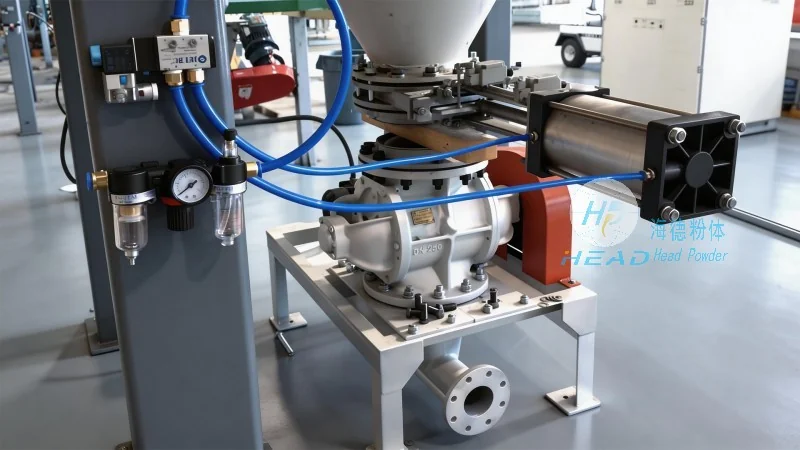
At the heart of any pneumatic conveying system for desulfurizer materials lies a series of interconnected components that work in tandem to achieve seamless material transport. The primary components typically include a feed hopper or silo, a feeder mechanism (often a rotary valve or screw feeder), a conveying pipeline network, a gas source (air compressor or vacuum pump), and a receiver or discharge unit. Each component plays a vital role in maintaining the system's performance and reliability.
The feed hopper or silo stores the desulfurizer material, providing a consistent supply to the feeder. The feeder, usually a rotary valve or screw feeder, controls the flow rate of the material into the conveying pipeline, preventing blockages and ensuring a steady stream. The conveying pipeline, often made of stainless steel or other corrosion-resistant materials, transports the material using air pressure or vacuum. The gas source, such as an air compressor, generates the necessary air flow, while the receiver or discharge unit collects the material at the destination, such as a reactor or storage tank.
The Fundamental Design Principles Behind Pneumatic Conveying Systems
The design principles of desulfurizer material pneumatic conveying systems are rooted in the physics of fluid dynamics and material transport. The primary design considerations include the material's physical properties, such as particle size, density, and moisture content, as well as the required conveying distance and flow rate. The system can operate under either positive pressure (pressure conveying) or negative pressure (vacuum conveying), each with its own advantages and applications.
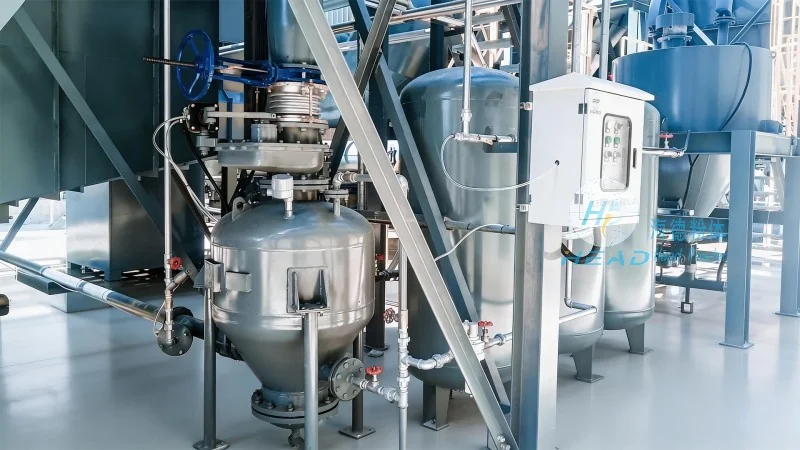
Positive pressure systems use compressed air to push the material through the pipeline, making them suitable for long-distance or high-capacity transport. These systems typically require higher air pressure and can handle a wider range of particle sizes. Negative pressure systems, on the other hand, use a vacuum to draw the material into the pipeline, which is ideal for short-distance or low-capacity applications and for handling materials that are sensitive to pressure changes.
Flow rate and velocity are critical parameters in the design. The velocity of the air must be sufficient to keep the material suspended and prevent particle settling or blockages. The flow rate is determined by the material's characteristics and the system's capacity requirements. Proper design ensures that the air velocity remains within an optimal range, balancing efficiency and energy consumption. Additionally, the system must account for pressure drop along the pipeline, which can affect the overall performance and may require additional air boosters or pressure regulators.
Application Scenarios and Operational Benefits
Desulfurizer material pneumatic conveying systems are widely used in power generation, where they facilitate the transport of limestone or other alkaline materials to flue gas desulfurization (FGD) units. These systems are also employed in chemical plants, where they handle various powders for processing. The key operational benefits of such systems include high efficiency, as they can transport materials over long distances without the need for mechanical conveyors or elevators. They also offer flexibility in layout, allowing for easy integration into existing plant designs. Furthermore, pneumatic conveying systems are relatively low maintenance compared to traditional belt or screw conveyors, reducing downtime and operational costs.
Reliability is another significant advantage. By eliminating moving parts in the conveying line (except for the feeder and receiver), the system minimizes the risk of mechanical failure and material contamination. This is particularly important for desulfurizer materials, which must be handled with care to prevent dust emissions and ensure environmental compliance. The systems also provide better control over material flow, allowing for precise dosing and regulation of the desulfurizer feed rate, which is crucial for maintaining optimal FGD performance.
About Shandong HeadPowder Engineering Co., Ltd.
Shandong HeadPowder Engineering Co., Ltd., a leading provider of industrial material handling solutions, specializes in designing and manufacturing high-quality desulfurizer material pneumatic conveying systems. With years of experience in the field, the company has developed a deep understanding of the unique challenges associated with handling desulfurizer powders, including their abrasive nature and sensitivity to moisture. HeadPowder engineers employ advanced design techniques and use high-quality materials to ensure that their systems meet the highest standards of performance, reliability, and safety.
The company's commitment to customer satisfaction is reflected in its comprehensive service offerings, which include system design, installation, commissioning, and after-sales support. HeadPowder works closely with clients to understand their specific requirements and tailor solutions that address their operational needs. The company's facilities in Shandong, China, are equipped with state-of-the-art equipment and a skilled workforce, enabling them to deliver custom-designed systems that are optimized for each application.
By leveraging its expertise in pneumatic conveying technology, Shandong HeadPowder Engineering Co., Ltd. helps industrial facilities improve their operational efficiency, reduce costs, and enhance environmental performance. The company's systems are designed to meet international standards and are backed by a team of experienced engineers and technicians who provide ongoing support to ensure long-term reliability and performance.