

What is the Pneumatic Conveying Equipment for River Sand Material? And What Are Its Design Principle
For industries dealing with river sand, efficient material handling is crucial. Pneumatic conveying equipment offers a solution that combines technology and engineering to transport sand efficiently. This article explores the concept of river sand material pneumatic conveying equipment and delves into its design principles, providing insights into how such systems operate and why they are essential in modern industrial applications.
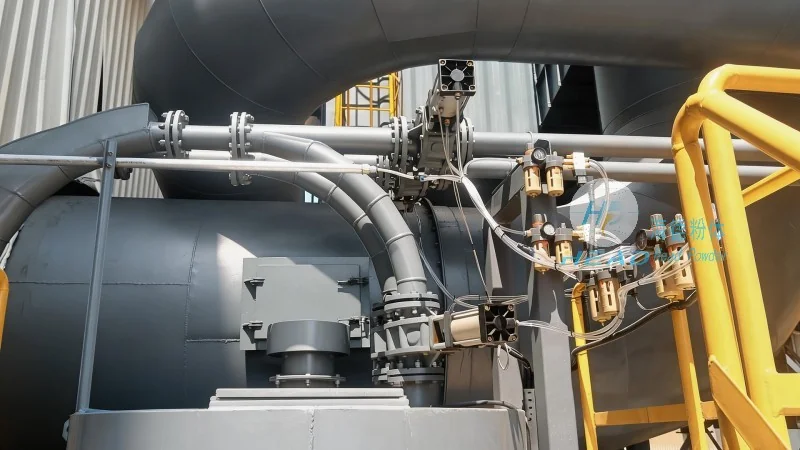
Introduction to River Sand Material Pneumatic Conveying Equipment
Pneumatic conveying equipment is a type of material handling system that uses air or gas to transport bulk materials like river sand. Unlike traditional methods such as belt conveyors or trucks, pneumatic systems can handle fine, dusty, or abrasive materials with minimal wear and tear. The equipment typically consists of a hopper, a blower or compressor, a pipeline network, and a receiver. The process involves feeding the river sand into the hopper, where it is then drawn into the pipeline by the air flow generated by the blower. The air-sand mixture travels through the pipeline to the receiver, where the sand is separated from the air and collected.
Understanding the Core Function of Pneumatic Conveying Systems for River Sand
The primary function of pneumatic conveying equipment for river sand is to transport the material from a source to a destination without the need for mechanical contact. This is achieved by creating a pressure differential within the system. The blower creates a low-pressure zone in the pipeline, which draws the sand particles into the air stream. The velocity of the air is carefully controlled to ensure that the sand particles are suspended and transported without causing blockages or excessive wear on the equipment. This method is particularly effective for transporting fine river sand, which can be difficult to handle with traditional methods due to its dustiness and tendency to clog.
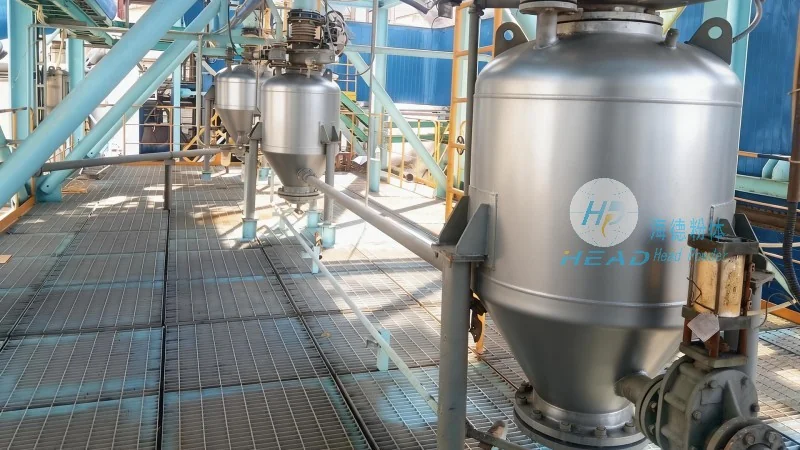
Design Principles Behind the Equipment
The design of pneumatic conveying equipment for river sand is based on several key principles to ensure efficiency, reliability, and durability. First, the system must be designed to handle the specific characteristics of river sand, such as its particle size, moisture content, and abrasiveness. The pipeline diameter and material are selected to minimize friction and wear, while the blower or compressor capacity is matched to the required flow rate and pressure. Second, the system must be able to maintain a consistent air flow to prevent material buildup and ensure smooth operation. This often involves using air filters and cyclone separators to remove dust and debris from the air stream. Third, the equipment must be designed for easy maintenance and cleaning, as river sand can be abrasive and may cause wear on components like the hopper and pipeline.
Key Components and Their Roles in the System
Several key components work together to make the pneumatic conveying system for river sand effective. The hopper serves as the feeding device, where the river sand is stored and fed into the system. It is typically designed with a wide opening to allow easy loading and a smooth interior to prevent material buildup. The blower or compressor is the heart of the system, providing the necessary air pressure and flow rate to transport the sand. The pipeline network connects the hopper to the receiver and is usually made of materials like stainless steel or plastic to withstand the abrasive nature of river sand. The receiver is where the sand is collected after being separated from the air. It often includes a cyclone separator or a filter to remove the remaining air and ensure the sand is clean and free of dust.
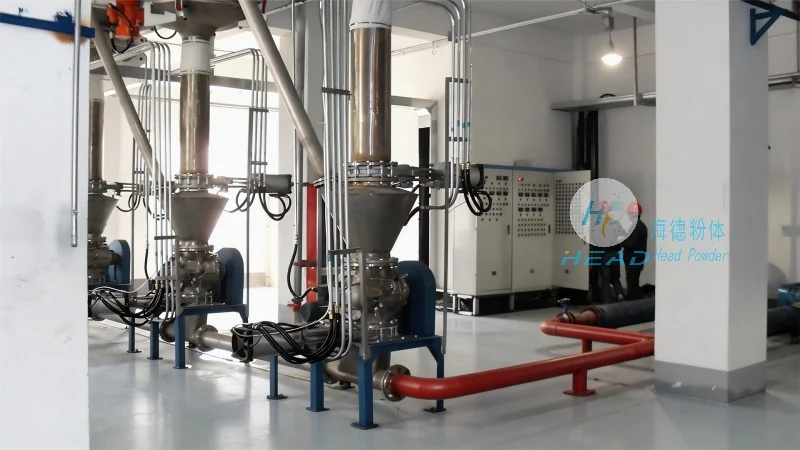
Application Scenarios and Benefits in Industrial Processes
Pneumatic conveying equipment for river sand is widely used in various industrial processes, including construction, mining, and manufacturing. In construction, it is used to transport sand from storage facilities to construction sites, where it is used in concrete production. In mining, it is used to transport sand from processing plants to storage areas or to other processing units. The benefits of using pneumatic conveying systems include reduced labor costs, increased efficiency, and improved safety. Since the material is transported without human contact, there is less risk of injury from handling heavy or abrasive materials. Additionally, the system can be designed to operate continuously, reducing downtime and increasing productivity.
Company Profile: Shandong HeadPowder Engineering Co., Ltd.
Shandong HeadPowder Engineering Co., Ltd. is a leading manufacturer of pneumatic conveying equipment in China. The company is located in Shandong Province, China, and has been providing high-quality material handling solutions to industries worldwide for many years. HeadPowder specializes in designing and manufacturing equipment tailored to the specific needs of its clients, including those dealing with river sand. The company's products are known for their durability, efficiency, and reliability, making them a trusted choice for industries that require consistent and safe material transport. With a focus on innovation and customer satisfaction, HeadPowder continues to develop new technologies to improve the performance of its pneumatic conveying systems.