

What is Cotton Seed Material Pneumatic Conveying Equipment? And What Are Its Design Principles?
For industries dealing with cotton seed processing, the efficient and reliable transportation of raw materials is a critical factor in maintaining production efficiency and product quality. Pneumatic conveying equipment has emerged as a key solution for handling cotton seed materials, offering a flexible and effective method to move these materials from one location to another within a processing facility. This article explores the concept of cotton seed material pneumatic conveying equipment, detailing its design principles and the technological advancements that make it suitable for the unique challenges of cotton seed handling.
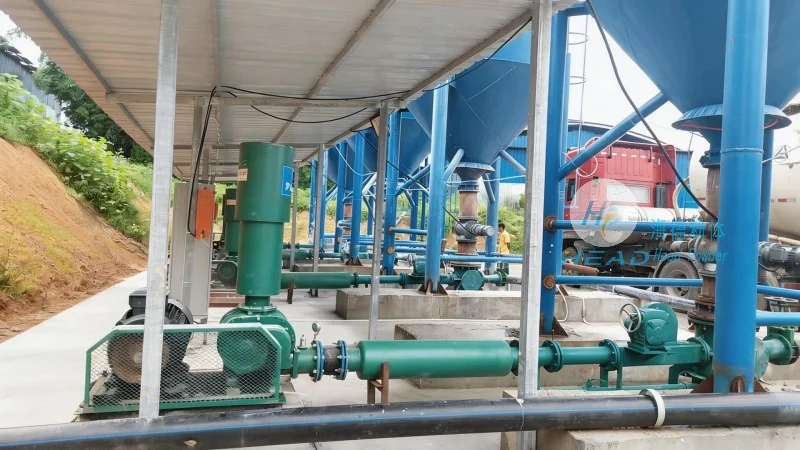
Introduction to Cotton Seed Material Pneumatic Conveying Equipment
Cotton seed material pneumatic conveying equipment is a system designed to transport cotton seed and related byproducts through a network of pipes using air pressure or vacuum. Unlike traditional mechanical conveyors, which rely on mechanical components like belts or buckets, pneumatic systems utilize the force of compressed air or suction to move materials. This method is particularly advantageous for cotton seed, which often contains fibrous components, oil, and varying moisture levels that can cause issues with traditional conveyor systems. The equipment is manufactured by Shandong HeadPowder Engineering Co., Ltd., a company based in China, specializing in engineering solutions for material handling and processing.
Key Components and Their Functions
The design of a cotton seed material pneumatic conveying system involves several key components, each playing a crucial role in the overall operation. The primary components include the feed hopper, the air supply system (either a blower or vacuum pump), the conveying pipeline, the separation and cleaning devices, and the receiving hopper. The feed hopper is responsible for storing and feeding the cotton seed material into the system, ensuring a consistent flow. The air supply system generates the necessary pressure or vacuum to move the material through the pipeline. The conveying pipeline, typically made of stainless steel or other corrosion-resistant materials, transports the material and air mixture. The separation and cleaning devices, such as cyclones or filters, remove dust and other particles from the air stream, ensuring clean air and preventing contamination of the processed material. The receiving hopper collects the material at the destination point.
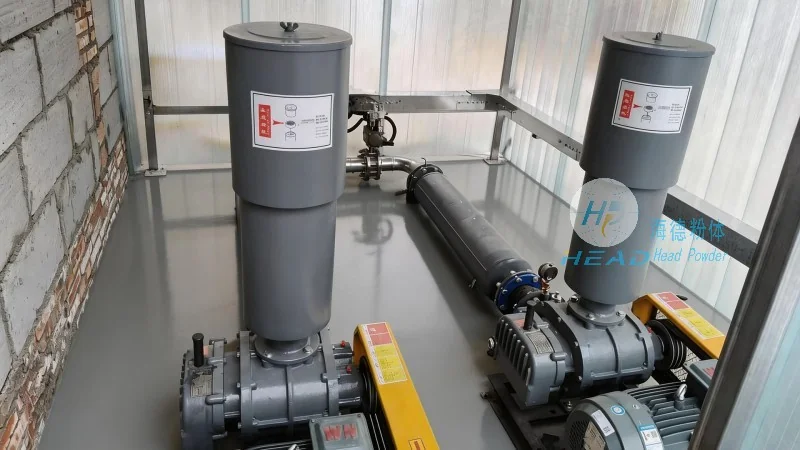
Design Principles for Efficient Cotton Seed Handling
The design principles of cotton seed material pneumatic conveying equipment are centered on maximizing efficiency, minimizing material loss, and ensuring durability in the face of the unique properties of cotton seed. One of the fundamental principles is the selection of the appropriate conveying method—either suction (or negative pressure) or pressure (or positive pressure) systems. Suction systems are commonly used for short-distance or low-density material transport, as they can handle a wide range of particle sizes and are less likely to cause blockages. Pressure systems, on the other hand, are suitable for longer distances and higher material loads, providing more consistent and reliable flow. For cotton seed, which can be prone to sticking and clogging, the design incorporates features like anti-wear coatings on the pipeline and feed hopper, as well as self-cleaning mechanisms to prevent material buildup. Additionally, the system is designed to handle the varying moisture content and oil content of cotton seed, ensuring that the material remains in good condition throughout the conveying process.
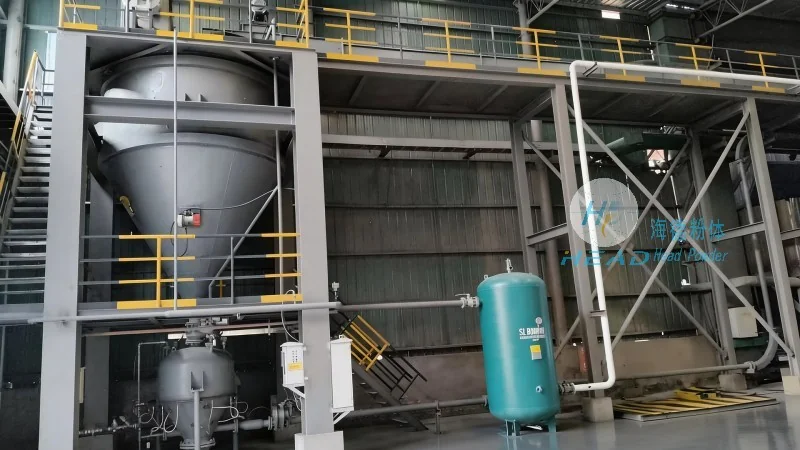
Advantages of Cotton Seed Material Pneumatic Conveying Equipment
Compared to traditional mechanical conveyors, cotton seed material pneumatic conveying equipment offers several advantages that make it a preferred choice for many processing facilities. One of the most significant advantages is the ability to handle a wide range of material types and particle sizes without the need for adjustments. The system can transport dry, wet, or oily materials, making it versatile for various stages of cotton seed processing. Another advantage is the reduced risk of material contamination, as the enclosed pipeline system prevents exposure to external elements and contaminants. The equipment also provides a more hygienic environment, which is critical for food and seed processing applications. Furthermore, pneumatic conveying systems are more energy-efficient than mechanical systems, as they can use less power to achieve the same level of material transport. The design also allows for easy integration with other processing equipment, such as grinding or pressing machines, creating a seamless production line.
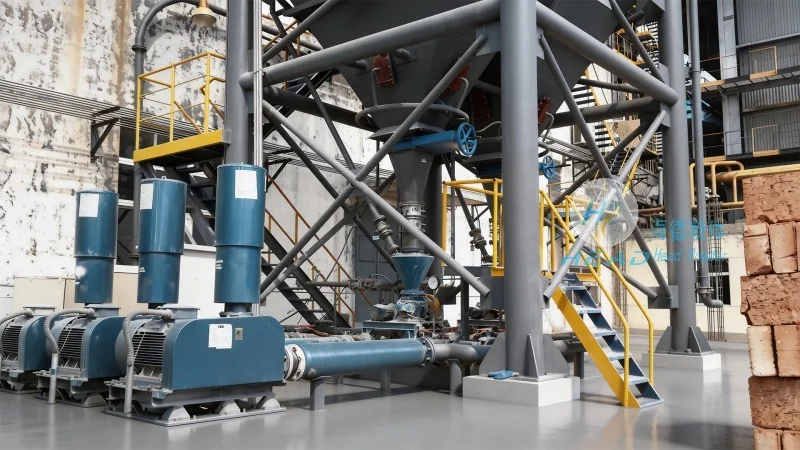
Application in Cotton Seed Processing
The application of cotton seed material pneumatic conveying equipment is widespread in the cotton seed processing industry. It is commonly used in the transportation of raw cotton seed from storage silos to processing machines, such as hullers or oil extractors. The equipment can also be used to move processed byproducts, such as cottonseed meal or oil, from one part of the facility to another. The flexibility of the system allows it to be adapted to different production scales, from small-scale operations to large industrial plants. The equipment from Shandong HeadPowder Engineering Co., Ltd. is designed to meet the specific needs of cotton seed processing facilities, ensuring that the material is handled with care and efficiency throughout the entire process.
Conclusion and Company Overview
Cotton seed material pneumatic conveying equipment is a vital component in modern cotton seed processing, offering an efficient and reliable method for material transport. The design principles, which focus on adaptability, durability, and efficiency, make it suitable for the unique challenges of cotton seed handling. Shandong HeadPowder Engineering Co., Ltd., based in China, specializes in the development and manufacturing of such equipment, providing tailored solutions for various industrial applications. By understanding the design principles and advantages of pneumatic conveying systems, processing facilities can enhance their operational efficiency and product quality, ensuring long-term success in the cotton seed industry.