

What is Distillers' Grain Material Pneumatic Conveying Equipment? And What Are Its Design Principles
Distillers' grain material pneumatic conveying equipment is a specialized system designed for the efficient transport of distillers' grain, a byproduct commonly generated in the ethanol production process. This equipment plays a crucial role in modern industrial operations, ensuring that the material is moved safely, effectively, and with minimal environmental impact. The design of such systems is tailored to handle the unique characteristics of distillers' grain, which can vary in moisture content, particle size, and bulk density. By leveraging pneumatic conveying technology, these systems offer a reliable solution for moving large volumes of material over short to medium distances, often within industrial facilities.
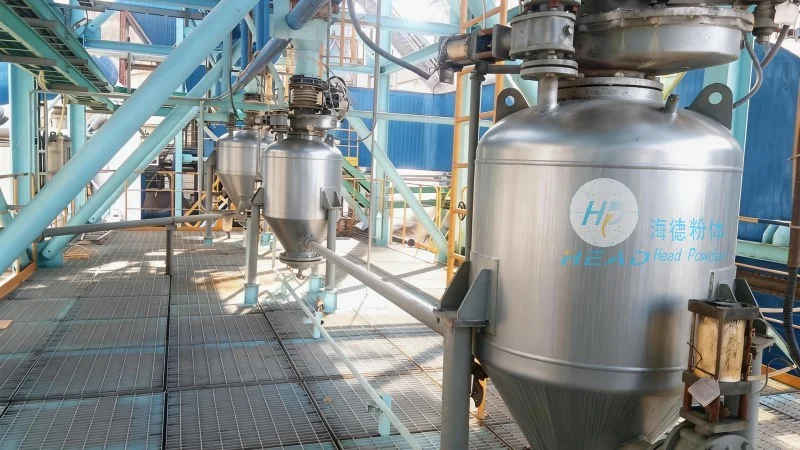
Key Components of Pneumatic Conveying Systems for Distillers' Grain
The core components of a distillers' grain pneumatic conveying system typically include a hopper for material storage, a conveyor line (either positive or negative pressure), a dust collector, and a discharge outlet. The hopper is designed to hold the distillers' grain, ensuring a consistent feed to the conveying line. The conveyor line, which can operate under positive or negative pressure, is responsible for transporting the material through the system. Positive pressure systems use a blower to push the material forward, while negative pressure systems use a vacuum to draw the material. A dust collector is often integrated to capture any airborne particles, improving air quality and preventing contamination. The discharge outlet is where the material is released at the destination point, such as a storage silo or processing unit.
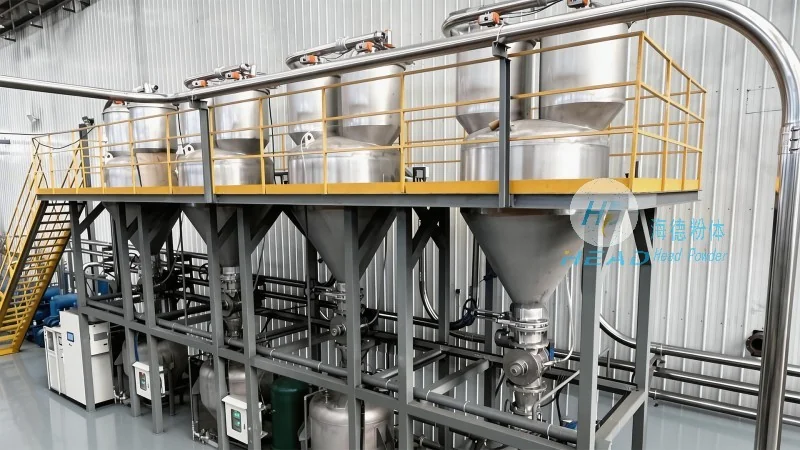
Design Principles for Efficient Distillers' Grain Conveying
The design principles of distillers' grain pneumatic conveying equipment focus on optimizing material flow, minimizing energy consumption, and ensuring system reliability. One key principle is the selection of the appropriate conveying line type based on the material's properties and the distance to be covered. For example, low-pressure systems are often suitable for short distances and low material loads, while high-pressure systems are better for longer distances or larger volumes. Another important principle is the consideration of particle size and moisture content, as these factors affect the material's flowability and the risk of blockages. Proper hopper design, including the use of cone or hopper liners, helps prevent material bridging and ensures smooth material discharge. Additionally, the system's control mechanisms, such as variable speed drives and pressure sensors, allow for real-time adjustments to maintain optimal conveying conditions.
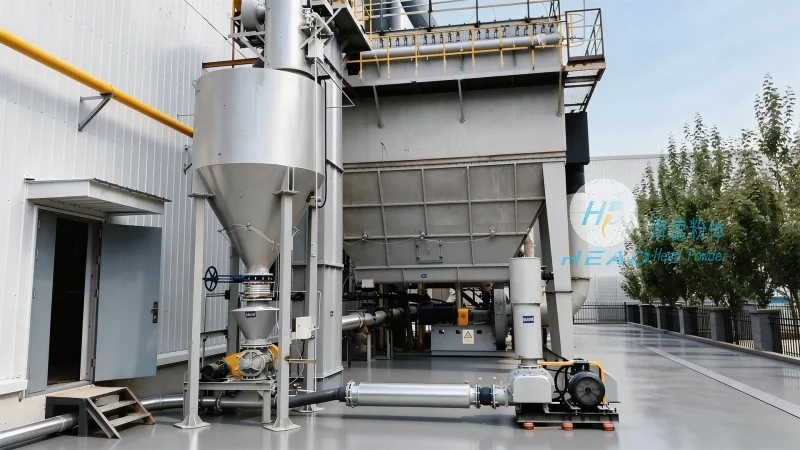
Benefits of Using Pneumatic Conveying for Distillers' Grain
Implementing a pneumatic conveying system for distillers' grain offers several advantages over traditional methods like belt conveyors or bucket elevators. First, it provides a closed system, which helps prevent dust emissions and contamination, improving workplace safety and environmental compliance. Second, pneumatic systems can handle a wide range of material characteristics, including varying moisture levels and particle sizes, without the need for extensive modifications. Third, these systems are generally more energy-efficient, as they can operate with lower power consumption compared to mechanical conveyors, especially over longer distances. Finally, the compact design of pneumatic conveying equipment allows for easier integration into existing industrial layouts, reducing installation time and costs.
Application Examples in Industrial Settings
Distillers' grain pneumatic conveying equipment is widely used in the ethanol and biofuel industries. For instance, in a typical ethanol production facility, the equipment is used to transport distillers' grain from the fermentation tanks to a storage silo or to a drying unit. The system ensures that the material is moved quickly and efficiently, minimizing downtime and maximizing production throughput. Another application is in the feed industry, where distillers' grain is used as a protein source in animal feed. The pneumatic conveying system allows for the seamless transfer of the material from the production area to the feed processing plant, ensuring consistent quality and reducing labor costs. In both cases, the reliability and efficiency of the system contribute to overall operational productivity and cost savings.
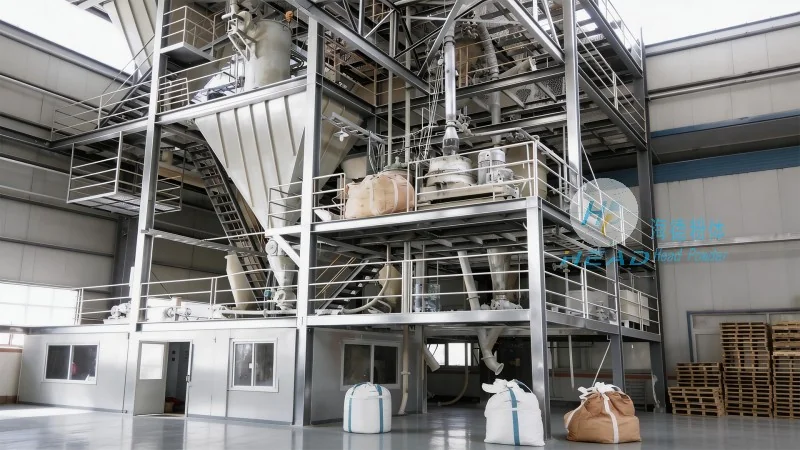
Conclusion and Company Overview
Distillers' grain material pneumatic conveying equipment is a critical component in modern industrial processes, offering an efficient and reliable solution for material transport. The design principles, which focus on material characteristics, system efficiency, and operational safety, ensure that these systems perform optimally in various industrial settings. As a leading provider in this field, Shandong HeadPowder Engineering Co., Ltd. specializes in designing and manufacturing customized pneumatic conveying systems tailored to the specific needs of clients. With a commitment to quality and innovation, the company has established itself as a trusted partner in the ethanol and related industries, helping businesses enhance their operational efficiency and achieve sustainable growth. Based in Shandong, China, HeadPowder continues to advance the technology of pneumatic conveying, providing solutions that meet the evolving demands of industrial applications.