

What is a White Clay Material Pneumatic Conveying Equipment? And What Are Its Design Principles?
White clay, a vital raw material in sectors like ceramics, paper manufacturing, and chemical production, demands efficient handling solutions. Pneumatic conveying equipment has become a cornerstone technology for transporting white clay materials, offering benefits such as dust-free operation, low maintenance, and the ability to manage diverse particle sizes. This article examines white clay material pneumatic conveying equipment and explores its core design principles, providing insights into how these systems operate and their practical applications.
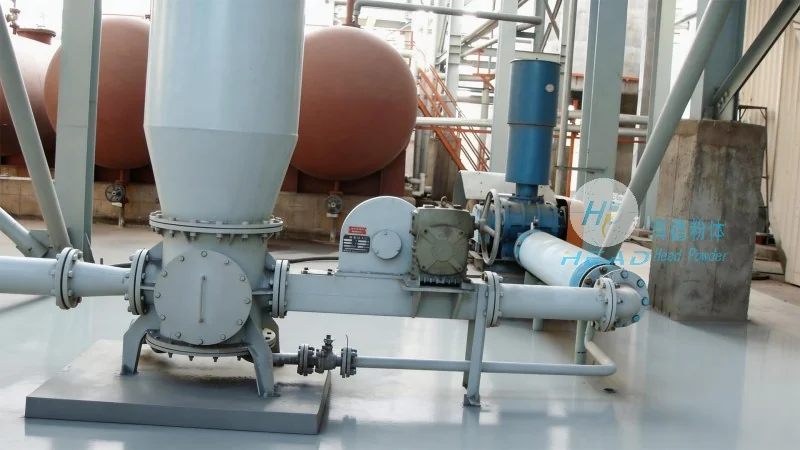
Introduction to White Clay Material Pneumatic Conveying Equipment
White clay, characterized by its fine particle size and tendency to agglomerate, presents unique challenges during material handling. Traditional methods like belt conveyors or bucket elevators may cause dust emissions and material degradation. Pneumatic conveying systems, which utilize air or gas to transport materials through pipelines, address these issues by minimizing external contact and ensuring controlled material flow. The equipment typically comprises a feeder, conveying line, separation unit, and receiver, all working in unison to achieve efficient transport.
About Shandong HeadPowder Engineering Co., Ltd.
Shandong HeadPowder Engineering Co., Ltd., a leading manufacturer in material handling solutions, specializes in designing and producing advanced pneumatic conveying equipment tailored for white clay and other fine powders. The company’s commitment to quality and innovation has established it as a trusted partner for businesses seeking reliable and efficient material transport systems. HeadPowder’s expertise lies in understanding application-specific requirements and developing customized solutions that enhance productivity and reduce operational costs.
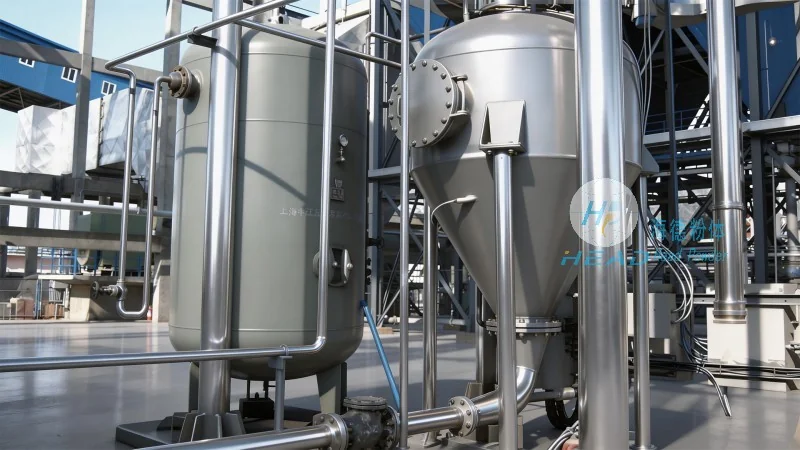
Key Components and Design Principles of Pneumatic Conveying Systems
The design of a white clay material pneumatic conveying system is grounded in fluid dynamics and material science principles. The primary objective is to maintain consistent material flow through the pipeline while optimizing air pressure and velocity. Systems operate under positive or negative pressure: positive pressure forces air and material through the line, while negative pressure draws material using a vacuum. The choice depends on factors like transport distance, material properties, and dust control needs.
The feeder, responsible for introducing white clay into the conveying line, must accommodate the material’s fine particle size and potential for caking. Common types include rotary valves, star feeders, and screw feeders, each offering flow control and material compatibility advantages. The feeder connects to the conveying line, typically made of stainless steel or corrosion-resistant materials to prevent buildup and ensure durability.
The conveying line’s diameter and length are selected based on material flow characteristics and transport distance. It includes bends, elbows, and fittings to minimize pressure losses and maintain smooth flow. Some systems incorporate pulse jet systems to clean the interior and prevent material accumulation, ensuring long-term efficiency.
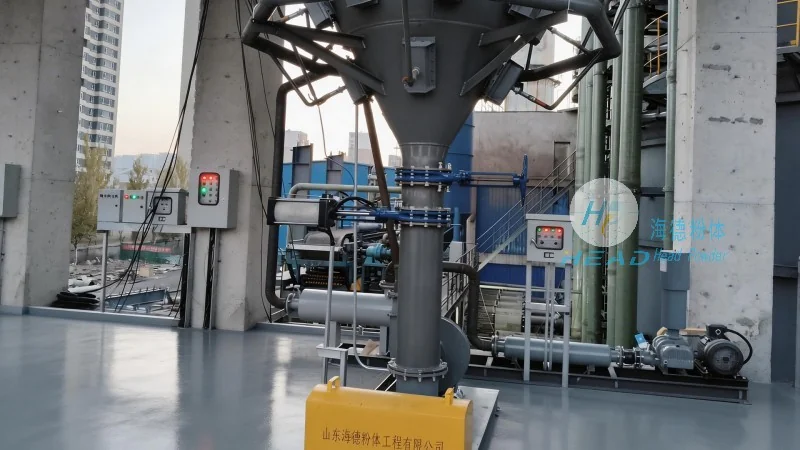
Separation and Reception Systems
After material transport, the white clay must be separated from air and collected in a receiver. The separation unit often uses a cyclone separator or bag filter. Cyclones employ centrifugal force to push heavier material to the walls, while bag filters trap fine particles with fabric bags. The choice depends on particle size and dust control requirements.
The receiver, a storage vessel, handles material settling or agglomeration, possibly with agitators or vibrators to prevent buildup. It connects to downstream processes like mixers or dryers. Proper design of separation and reception systems is critical for material quality and system operation.
Advantages and Applications of White Clay Pneumatic Conveying Equipment
Pneumatic conveying equipment offers advantages over traditional methods: dust-free operation, continuous flow, and low maintenance (fewer moving parts than mechanical conveyors). It integrates easily into existing production lines.
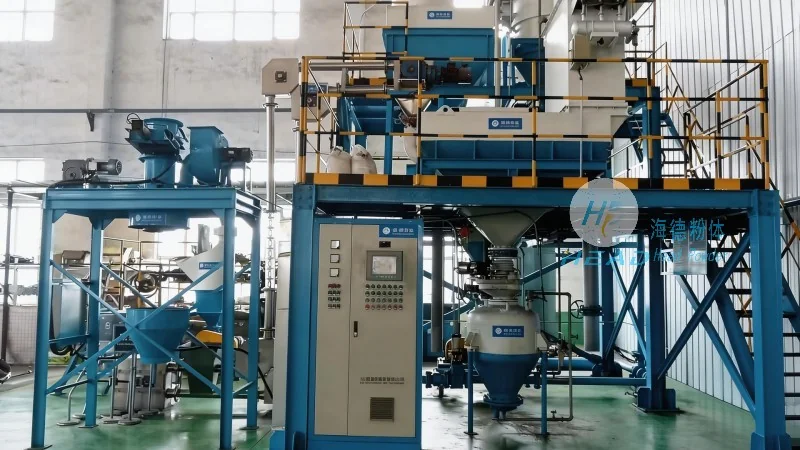
Applications span industries: ceramics (tile/pottery manufacturing), paper (coating material delivery), and chemicals (pigment production). The equipment is also versatile for other fine powders like minerals and chemicals.
Conclusion
In summary, white clay material pneumatic conveying equipment is a sophisticated, efficient solution for handling fine powders. Its design principles—air pressure utilization, component selection, and separation techniques—ensure optimal performance. With companies like Shandong HeadPowder Engineering Co., Ltd., businesses gain high-quality, customized equipment that boosts productivity and maintains white clay material quality. As industries seek sustainable material handling solutions, pneumatic conveying equipment remains critical for processing white clay and other fine materials.