

Cement and Powder Material Pneumatic Conveying Equipment: What It Is and Its Design Principles
When it comes to efficiently transporting bulk materials like cement and other powders, pneumatic conveying systems offer a reliable and efficient solution. These systems are integral to many industrial processes, enabling the movement of materials from one location to another without the need for mechanical components like belts or buckets. The equipment in question is often referred to as a cement and powder material pneumatic conveying system, and understanding its design principles is crucial for optimizing performance and ensuring safety in industrial applications.
Introduction to Cement and Powder Material Pneumatic Conveying Equipment
At Shandong HeadPowder Engineering Co., Ltd., we specialize in the design and manufacturing of advanced pneumatic conveying equipment tailored for the cement and powder industry. Our systems are engineered to handle the unique challenges associated with transporting fine and abrasive materials, such as cement, fly ash, and other powders. The core of our equipment is the pneumatic conveying technology, which uses air or gas to transport bulk materials through a pipeline network. This method is particularly advantageous in environments where dust control and material containment are critical.
Key Components of Pneumatic Conveying Systems
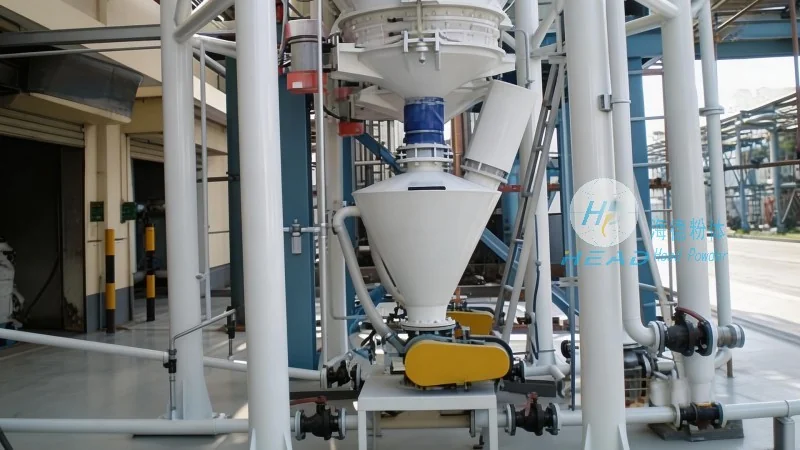
Understanding the design of a cement and powder material pneumatic conveying system requires knowledge of its key components. The primary elements include the material feed hopper, the air supply system (usually a blower or compressor), the conveying pipeline, and the discharge unit. The feed hopper is designed to store and meter the material into the system, ensuring a consistent flow rate. The air supply system generates the necessary pressure or vacuum to move the material through the pipeline. The conveying pipeline is typically made of materials like stainless steel or plastic, chosen for their resistance to corrosion and abrasion from the powders. The discharge unit collects the material at the end of the pipeline, often equipped with a filter or separator to prevent dust from escaping into the environment.
Design Principles for Efficient Material Transport
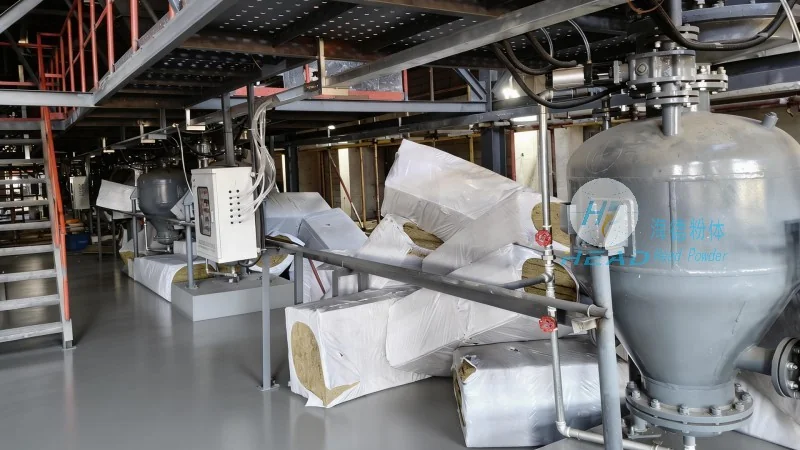
The design principles of a cement and powder material pneumatic conveying system are centered on achieving optimal flow rates, minimizing pressure drop, and ensuring material handling efficiency. One of the fundamental principles is the selection of the appropriate air velocity. The air velocity must be high enough to entrain the material particles but low enough to prevent excessive wear on the pipeline and components. This balance is critical for maintaining the system's longevity and performance. Another key principle is the proper sizing of the pipeline diameter and length. The diameter is determined based on the material's properties, such as particle size and density, to ensure that the air velocity remains within the optimal range. The length of the pipeline is also a critical factor, as longer pipelines may require additional air boosters or larger diameter pipes to maintain sufficient pressure.
Advantages of Pneumatic Conveying in Cement and Powder Handling
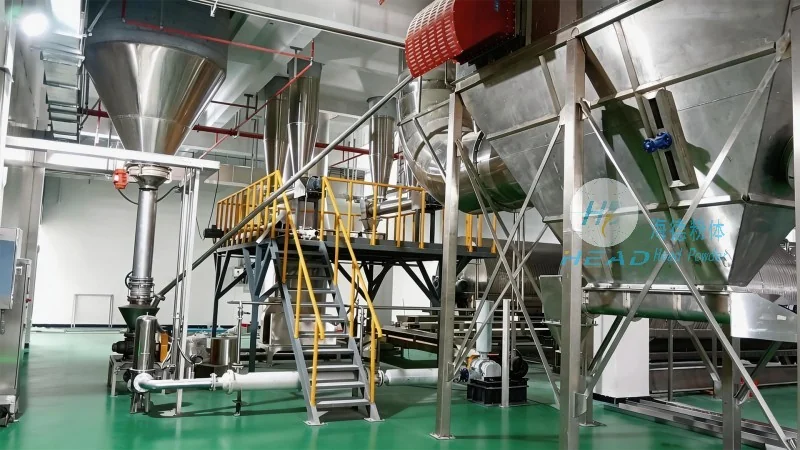
Implementing a pneumatic conveying system for cement and powder materials offers several advantages over traditional mechanical conveying methods. First, it provides excellent dust control, as the material is contained within the pipeline, reducing the risk of airborne dust and improving workplace safety. Second, it eliminates the need for moving parts like belts or buckets, which reduces maintenance requirements and increases system reliability. Third, the system can handle a wide range of material types and flow rates, making it versatile for various industrial applications. Additionally, pneumatic conveying systems can be easily integrated into existing production lines, allowing for seamless material transfer without disrupting the overall workflow.
Applications in the Cement Industry
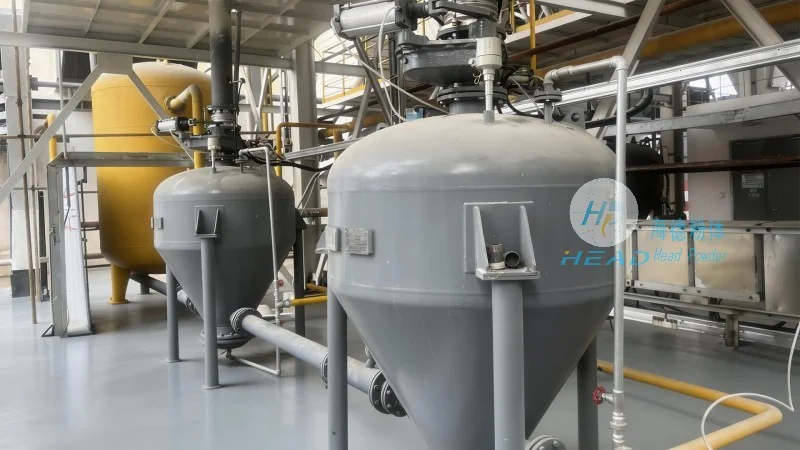
In the cement industry, pneumatic conveying equipment is widely used for transporting raw materials, such as limestone and clay, as well as finished products like cement. The systems are designed to handle the high volumes and abrasive nature of these materials, ensuring efficient and safe transport. For example, in a cement plant, the raw materials are transported from storage silos to the grinding mills using pneumatic conveyors. This method allows for continuous operation, reducing downtime and increasing productivity. Similarly, finished cement is conveyed from the storage silos to packaging or shipping areas, ensuring a smooth and efficient supply chain.
Customization and Engineering Solutions
At Shandong HeadPowder Engineering Co., Ltd., we understand that each industrial application has unique requirements. Therefore, we offer customized pneumatic conveying solutions tailored to our clients' specific needs. Our engineering team works closely with clients to assess their material handling challenges and design a system that meets their operational and safety standards. We consider factors such as material properties, flow rates, and environmental regulations to develop a comprehensive solution. Our equipment is designed to be scalable, allowing for future expansion as the client's needs grow. We also provide after-sales support, including maintenance and repair services, to ensure the long-term performance of our systems.