

What is Silicone Powder Material Pneumatic Conveying Equipment? And What Are Its Design Principles?
For industries dealing with fine powders like silicone powder, efficient material handling is crucial. Pneumatic conveying systems offer a solution that minimizes dust, ensures product purity, and enhances operational safety. This article explores the concept of silicone powder material pneumatic conveying equipment and delves into its design principles, providing insights into how such systems are engineered for optimal performance.
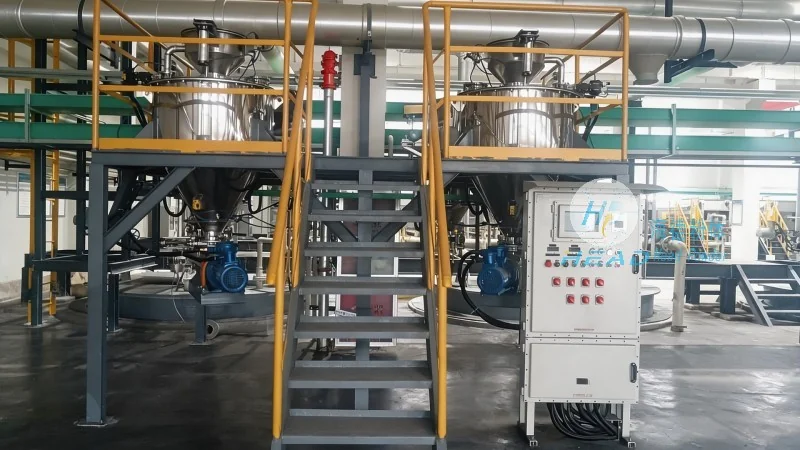
Understanding Pneumatic Conveying for Silicone Powder
Silicone powder, with its fine particle size and potential for static charge, requires specialized handling to prevent agglomeration and ensure consistent flow. Pneumatic conveying systems utilize air or gas to transport the powder from one location to another, eliminating the need for mechanical components that might introduce contamination or damage to the product. The headpowder company, Shandong HeadPowder Engineering Co., Ltd., specializes in designing and manufacturing such equipment tailored to the unique properties of silicone powder.
Key Components of Silicone Powder Pneumatic Conveying Systems
At the core of any pneumatic conveying system are several critical components that work in tandem to ensure reliable material transport. These include the hopper or feeder, which feeds the powder into the system; the conveying line, which may be positive or negative pressure depending on the application; and the receiver or discharge unit, where the material is collected. For silicone powder, the design of these components is optimized to handle the powder's characteristics, such as its low bulk density and tendency to form dust clouds.
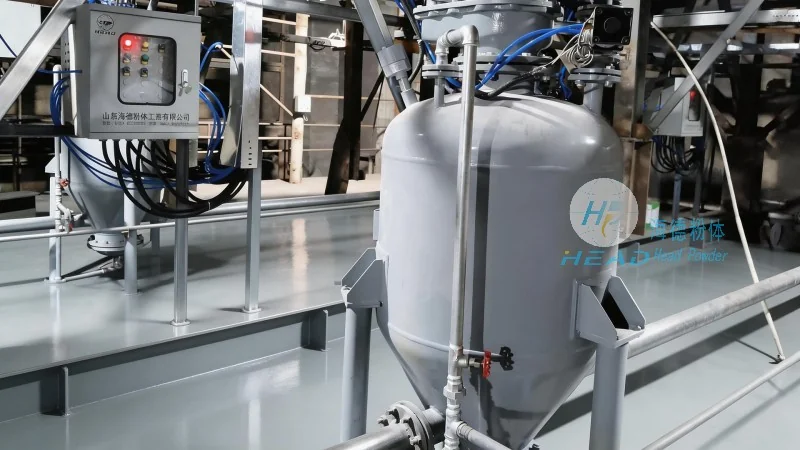
Design Principles for Efficient Silicone Powder Conveying
The design of silicone powder pneumatic conveying equipment follows several key principles to maximize efficiency and minimize operational issues. First, the system must maintain a consistent air flow rate to prevent particle segregation or blockages. This is achieved through the use of appropriate air valves, filters, and pressure regulators. Second, the conveying line is typically designed with smooth, non-porous surfaces to avoid particle buildup and ensure easy cleaning. The use of materials like stainless steel or specialized coatings is common to prevent corrosion and maintain product purity. Third, the system incorporates static elimination devices, such as ionizers or grounding straps, to prevent static accumulation that could lead to dust explosions or material sticking.
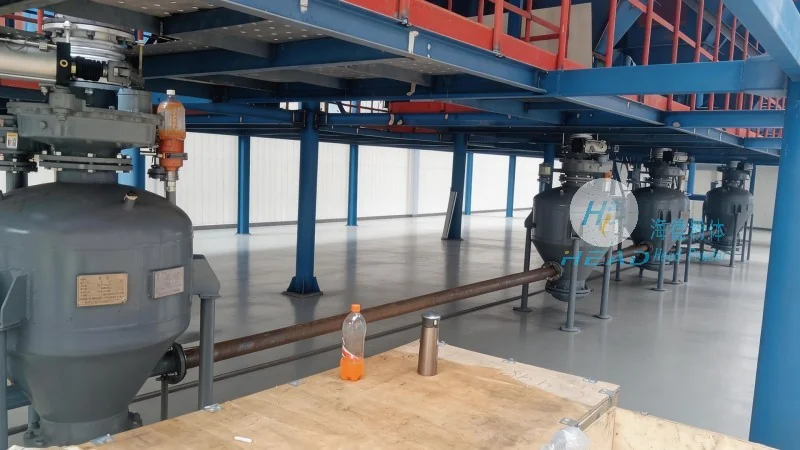
Advantages of Using Pneumatic Conveying for Silicone Powder
Implementing a pneumatic conveying system for silicone powder offers several advantages over traditional mechanical methods. These include reduced labor costs due to automated material handling, improved product quality through minimized contamination and exposure to air, and enhanced safety by eliminating manual handling of fine powders. Additionally, the system's ability to transport materials over long distances without the need for intermediate storage or transfer points streamlines production processes. The headpowder company's expertise in customizing these systems ensures that clients receive solutions that are tailored to their specific production needs and regulatory requirements.
Customization and Application Considerations
Each silicone powder application may have unique requirements that influence the design of the pneumatic conveying system. Factors such as the powder's moisture content, particle size distribution, and desired conveying distance play a critical role in determining the system's configuration. The headpowder company, with its base in Shandong, China, leverages years of experience to provide tailored solutions that address these specific needs. Whether for small-scale laboratory use or large-scale industrial production, their equipment is designed to deliver reliable performance and long-term durability.