

What is a zinc oxide material pneumatic conveying equipment? What is its design principle?
At Shandong HeadPowder Engineering Co., Ltd., we specialize in providing advanced pneumatic conveying solutions tailored for various industrial applications, including the handling of zinc oxide materials. Our equipment is designed to efficiently transport zinc oxide, a crucial chemical compound used in multiple industries such as rubber, plastics, and pharmaceuticals, with precision and reliability.
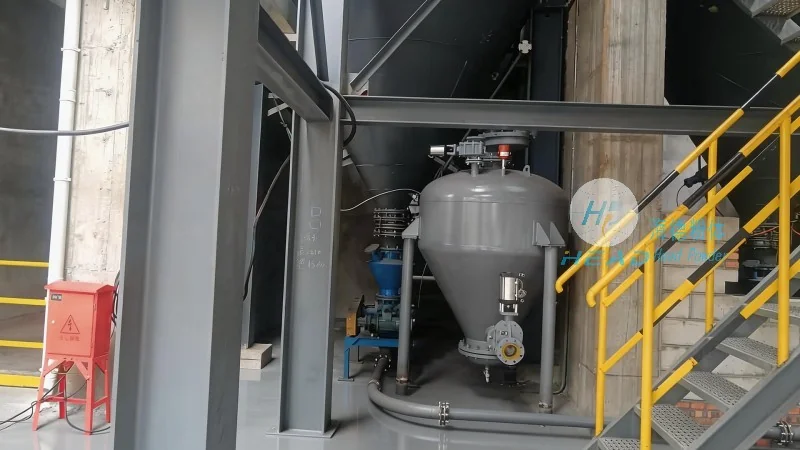
Understanding Pneumatic Conveying Technology
Pneumatic conveying, also known as air conveying, is a method of transporting bulk materials through a pipeline using compressed air or other gas. This technology offers several advantages over traditional mechanical conveying systems, such as reduced equipment wear, lower maintenance costs, and the ability to handle materials that are difficult to transport via conventional means. For zinc oxide, which can be abrasive or have specific flow characteristics, pneumatic conveying provides a safe and efficient solution.
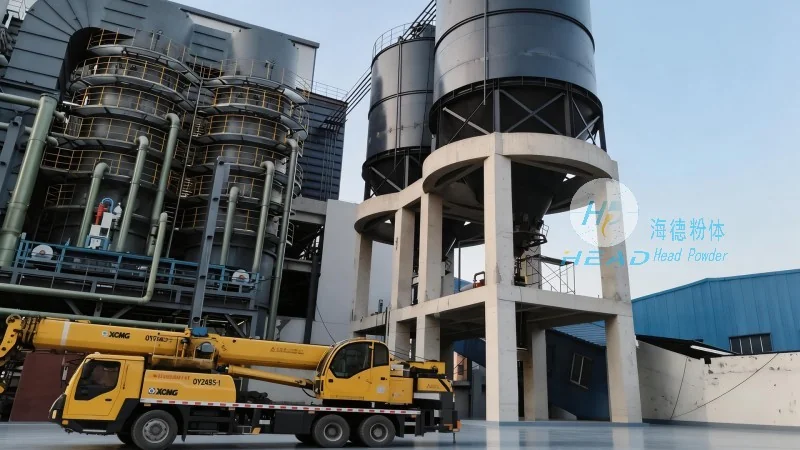
Design Principles of Zinc Oxide Pneumatic Conveying Equipment
The design of a zinc oxide material pneumatic conveying system involves several key principles to ensure optimal performance. First, the system must account for the physical properties of zinc oxide, including its particle size, density, and flowability. These characteristics influence the selection of the conveying velocity, pipeline diameter, and the type of air classifier or separator used to prevent material buildup and ensure smooth flow. Additionally, the system must consider the required conveying distance and the pressure drop across the pipeline, which are critical factors in determining the power requirements and overall efficiency of the equipment.
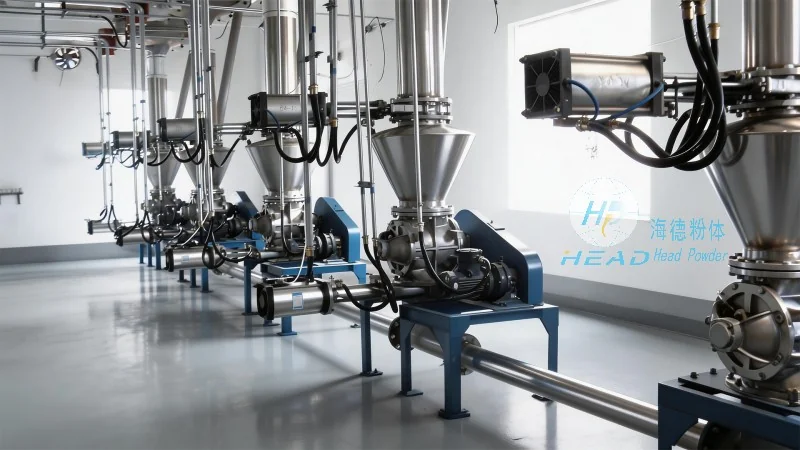
Key Components and Their Functions
A typical zinc oxide pneumatic conveying system consists of several key components, each playing a vital role in the overall operation. The primary components include a material feeder, a blower or compressor to generate the necessary air pressure, a pipeline network to transport the material, and a receiver or separator to collect the conveyed material. The material feeder is responsible for feeding zinc oxide into the system at a controlled rate, ensuring consistent flow and preventing blockages. The blower or compressor provides the motive force, creating the pressure differential needed to move the material through the pipeline. The pipeline network, often made of stainless steel or other corrosion-resistant materials, is designed to withstand the abrasive nature of zinc oxide and maintain the integrity of the material during transport. The receiver or separator, typically equipped with a dust collection system, collects the material and separates it from the air, ensuring a clean and efficient discharge process.
Advantages of Using Pneumatic Conveying for Zinc Oxide
Implementing pneumatic conveying for zinc oxide offers numerous benefits that enhance operational efficiency and product quality. One of the most significant advantages is the ability to handle fine or powdery materials without the need for additional equipment like hoppers or screw conveyors. This reduces the risk of material degradation and contamination, which is particularly important for zinc oxide used in sensitive applications like pharmaceuticals or food processing. Additionally, pneumatic conveying systems can be designed to operate in a closed loop, minimizing dust emissions and improving workplace safety. The flexibility of the system allows for easy integration with existing production lines, and the ability to adjust conveying parameters in real-time ensures optimal performance under varying conditions.
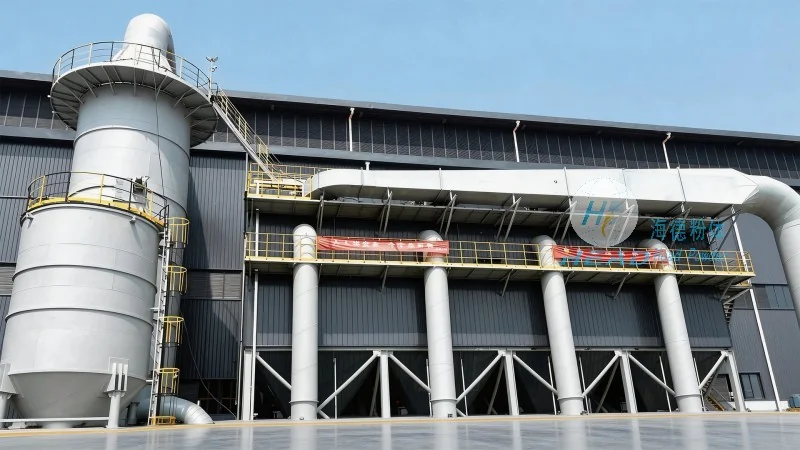
Customization and Application Considerations
At Shandong HeadPowder Engineering Co., Ltd., we understand that each industrial application has unique requirements. Therefore, our pneumatic conveying equipment for zinc oxide is customizable to meet specific needs. Factors such as the desired conveying capacity, the distance between the feed and discharge points, and the environmental regulations in the operating area are considered during the design process. Our team of engineers works closely with clients to develop a tailored solution that maximizes efficiency while minimizing costs. Whether the application involves short-distance transport within a facility or long-distance transport between production sites, our equipment can be adapted to suit the requirements. The use of high-quality materials and advanced manufacturing techniques ensures that our systems are durable and reliable, providing long-term performance and low maintenance costs.