

What is Gypsum Material Pneumatic Conveying Equipment? And What Are Its Design Principles?
When it comes to efficiently handling gypsum materials in industrial applications, the choice of equipment plays a crucial role. Gypsum, a widely used mineral in construction and other industries, requires specialized handling solutions to ensure safety, efficiency, and product integrity. This article explores the concept of gypsum material pneumatic conveying equipment, detailing its functions and the underlying design principles that make it effective for various industrial needs.
Gypsum Material Pneumatic Conveying Equipment: An Overview
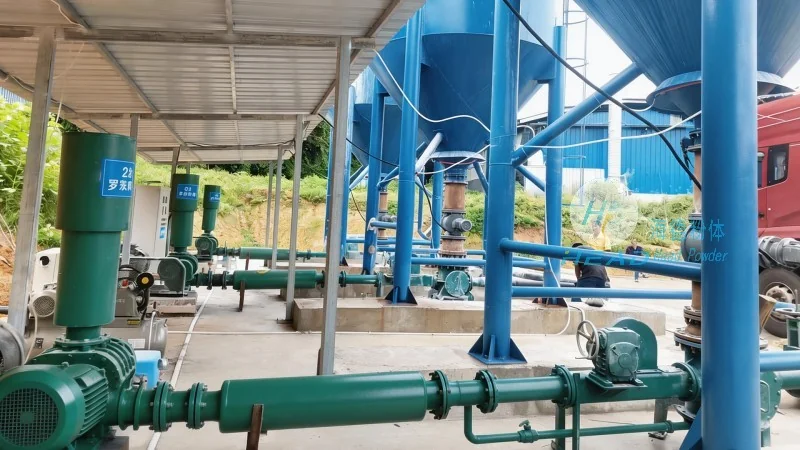
Gypsum material pneumatic conveying equipment is a system designed to transport dry gypsum powders or granules through a pipeline using air or other gases as the conveying medium. Unlike traditional mechanical conveying methods, such as screw conveyors or belt conveyors, pneumatic systems offer advantages like minimal product contamination, reduced dust generation, and the ability to handle materials over long distances without the need for multiple transfer points. The equipment typically consists of a hopper for material storage, a blower or compressor to generate the air flow, a pipeline network to transport the material, and a receiver or discharge unit where the material is collected.
Key Components of Gypsum Pneumatic Conveying Systems
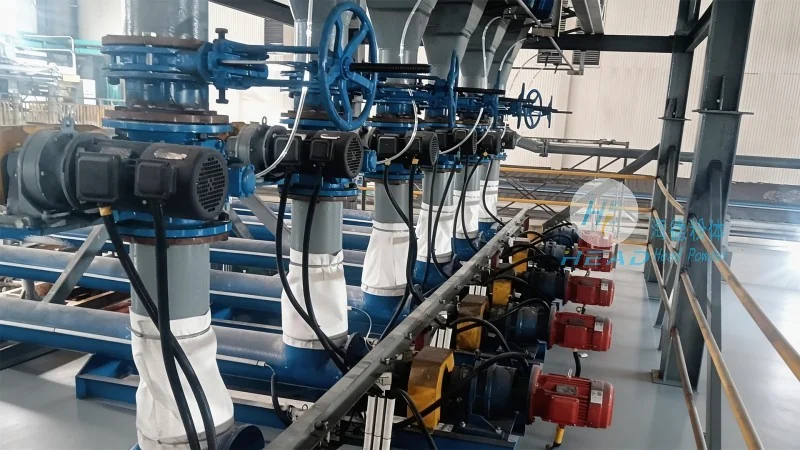
At the core of any gypsum pneumatic conveying system are several critical components that work in tandem to ensure smooth operation. The first component is the material hopper, which is designed to hold the gypsum powder or granules and provide a consistent feed to the system. The hopper often includes a feeder, such as a rotary valve or a screw feeder, to control the flow rate of the material into the pipeline. The feeder is essential for maintaining a steady supply of material, preventing blockages, and ensuring that the conveying process runs smoothly.
The second key component is the air-moving device, commonly known as a blower or a compressor. This component generates the necessary air pressure and flow rate to move the gypsum particles through the pipeline. The choice of blower type—such as a positive displacement blower or a centrifugal blower—depends on factors like the material's properties, the conveying distance, and the required flow rate. For gypsum, which is relatively light and can be abrasive, a positive displacement blower is often preferred as it provides consistent pressure and can handle the material's characteristics effectively.
The pipeline network is another critical part of the system. It consists of straight sections, bends, and fittings that guide the gypsum particles along the desired path. The pipeline is typically made of materials like stainless steel or plastic, chosen for their resistance to corrosion and abrasion from the gypsum particles. To ensure efficient conveying, the pipeline design must consider factors like the material's density, the air velocity required, and the overall system pressure drop. Properly sized and angled pipelines help minimize pressure losses and prevent material settling or blockages.
The final component is the receiver or discharge unit, where the gypsum material is collected after being conveyed through the pipeline. The receiver is usually a hopper or a container that can hold the material until it is further processed or packaged. Some systems may include additional features like a dust filter or a cyclone separator to remove any fine particles from the air before it is released back into the environment, ensuring compliance with environmental regulations and maintaining air quality.
Design Principles for Gypsum Pneumatic Conveying Equipment
The design of gypsum material pneumatic conveying equipment is guided by several fundamental principles that ensure optimal performance and reliability. The first principle is the principle of air velocity and particle velocity. For effective conveying, the air velocity in the pipeline must be sufficient to lift and transport the gypsum particles. The particle velocity, which is the speed at which the particles move relative to the air, is typically lower than the air velocity. The relationship between these velocities is crucial for preventing material settling or blockages in the pipeline.
The second design principle is the principle of pressure drop. The pressure drop in the pipeline is the difference between the pressure at the inlet and the pressure at the outlet. This drop is caused by friction between the particles and the pipeline walls, as well as the friction between the particles themselves. Proper design of the pipeline, including the use of smooth surfaces and appropriate fittings, helps minimize pressure drop, allowing the system to operate efficiently with less energy consumption.
The third principle is the principle of material properties. Gypsum is a relatively light and abrasive material, which means that the conveying system must be designed to handle these characteristics. The equipment components, such as the feeder, blower, and pipeline, must be constructed from materials that can withstand the abrasive nature of the gypsum particles. Additionally, the system must be able to handle variations in material moisture content or particle size, as these factors can affect the conveying performance.
The fourth design principle is the principle of system balance. A well-designed pneumatic conveying system must maintain a balance between the air flow and the material feed rate. If the air flow is too high relative to the material feed, the particles may not be fully suspended, leading to uneven conveying or blockages. Conversely, if the air flow is too low, the particles may settle in the pipeline, causing clogs. The system must be designed to adjust the air flow and material feed rate based on real-time conditions to maintain this balance and ensure smooth operation.
Applications of Gypsum Pneumatic Conveying Equipment
Gypsum material pneumatic conveying equipment is widely used in various industries where gypsum is a key raw material. In the construction industry, for example, the equipment is used to transport gypsum powder to manufacturing facilities for the production of gypsum boards, plaster, and other building materials. The ability to handle large volumes of material over long distances makes it ideal for supply chain management in construction projects.
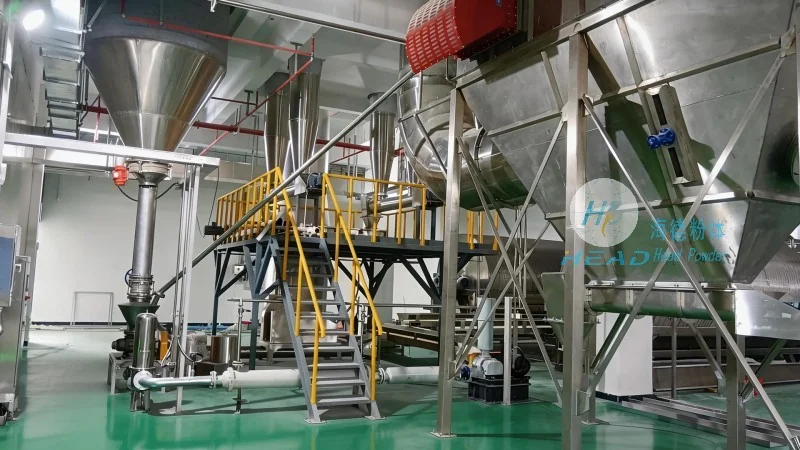
In the pharmaceutical and food industries, the equipment is used to transport gypsum as a filler or binder in the production of tablets and other products. The clean and hygienic design of the system ensures that the gypsum material remains free from contamination, meeting the strict quality standards required in these sectors.
In the mining and mineral processing industry, the equipment is used to transport gypsum from processing plants to storage facilities or for further processing. The high efficiency and low maintenance requirements of the system make it a cost-effective solution for handling large quantities of mineral materials.
Advantages of Using Gypsum Pneumatic Conveying Equipment
Compared to traditional mechanical conveying methods, gypsum material pneumatic conveying equipment offers several advantages that make it a preferred choice for many industrial applications. One of the main advantages is the ability to handle materials over long distances without the need for multiple transfer points. This reduces the risk of material loss or contamination and simplifies the overall process flow.
Another advantage is the minimal product contamination. Since the material is conveyed in a closed pipeline system, it is protected from external contaminants such as dust, moisture, or other particles. This is particularly important for materials like gypsum, which are used in sensitive applications such as pharmaceuticals or food products.
The equipment also offers improved safety compared to mechanical conveying systems. There is no risk of material spillage or exposure to workers, as the system is enclosed and the material is contained within the pipeline. Additionally, the reduced dust generation helps maintain a safer working environment and reduces the risk of respiratory issues for workers.