

What is Desulfurizer Material Pneumatic Conveying Equipment? And What Are Its Design Principles?
Desulfurizer material pneumatic conveying equipment is a specialized system designed to transport desulfurizer materials, which are crucial in flue gas desulfurization processes within power plants and industrial facilities. This equipment plays a vital role in the efficient handling and distribution of these materials, ensuring optimal performance in air pollution control systems. The design of such equipment is centered around the principles of pneumatic conveying, which involves the use of air or other gases to move bulk materials through a pipeline network.
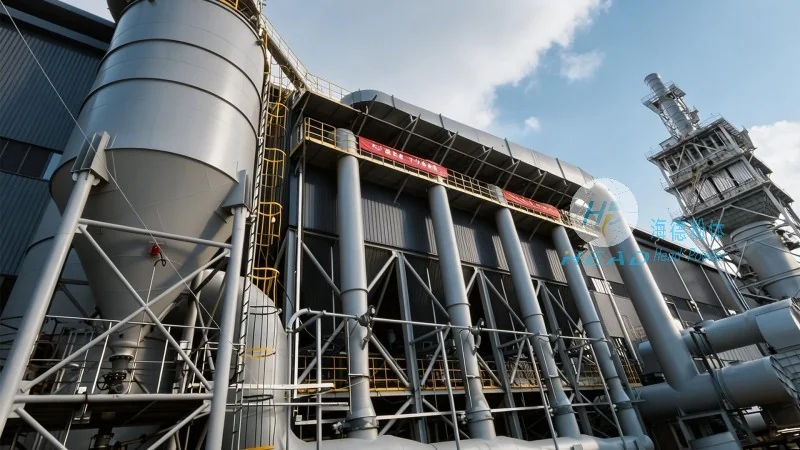
Understanding the Core Function of Desulfurizer Material Pneumatic Conveying Equipment
The primary function of this equipment is to transport desulfurizer powders, such as limestone or other alkaline materials, from storage silos or bulk containers to the injection points in flue gas treatment systems. The system typically consists of a blower or compressor that generates the necessary air pressure to move the material through the pipeline. The conveying process can be either dilute-phase or dense-phase, depending on the material characteristics and required delivery conditions. Dilute-phase conveying uses lower air-to-material ratios, allowing for higher material velocities and longer distances, while dense-phase conveying employs higher air-to-material ratios, resulting in slower material movement and better control over the material's flow.
Key Design Principles of Desulfurizer Material Pneumatic Conveying Systems
The design of desulfurizer material pneumatic conveying equipment is guided by several critical principles to ensure reliability, efficiency, and safety. First, the system must be capable of handling the specific physical properties of desulfurizer powders, including their particle size distribution, moisture content, and flowability. These characteristics influence the choice of blower type, pipeline diameter, and air velocity. For example, materials with fine particles may require higher air velocities to prevent clogging, while cohesive materials might need additional equipment like rotary valves or vibrators to ensure smooth flow.
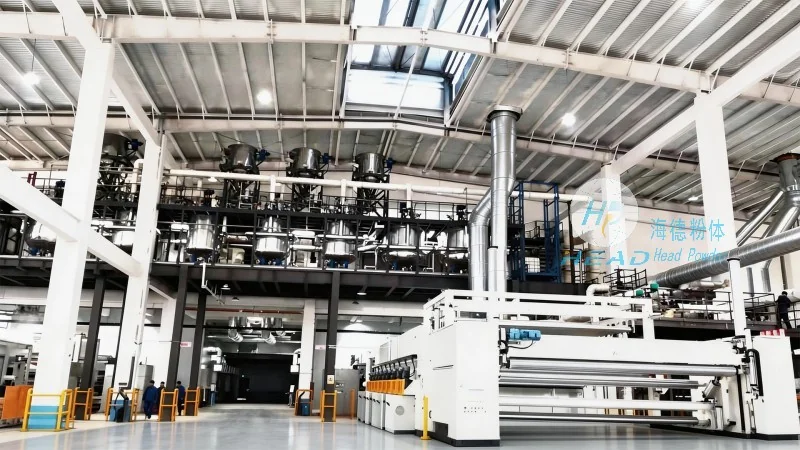
Second, the design considers the overall system layout and operational requirements. This includes the distance between the storage and injection points, the number of transfer points, and the need for flexibility in material routing. The system is often designed with multiple branches to serve different injection locations, allowing for efficient distribution of the desulfurizer material across the facility. Additionally, the equipment must be equipped with safety features to prevent dust explosions, such as explosion-proof blowers and spark arrestors, which are essential given the combustible nature of some desulfurizer powders.
Components and Operational Mechanism of the Pneumatic Conveying System
The desulfurizer material pneumatic conveying system comprises several key components, each playing a crucial role in the overall operation. The main components include a blower or compressor, which provides the motive force for material transport; a material feeder, such as a rotary valve or screw feeder, that controls the flow of desulfurizer powder into the pipeline; a pipeline network that transports the material from the feeder to the injection point; and a control system that monitors and regulates the air pressure, material flow, and system performance. The blower generates the necessary air pressure, typically ranging from 0.5 to 2 bar, depending on the system requirements. The material feeder ensures a consistent and controlled feed rate, preventing surges or blockages in the pipeline. The pipeline network is usually made of stainless steel or other corrosion-resistant materials to withstand the chemical properties of the desulfurizer powders and the effects of moisture.
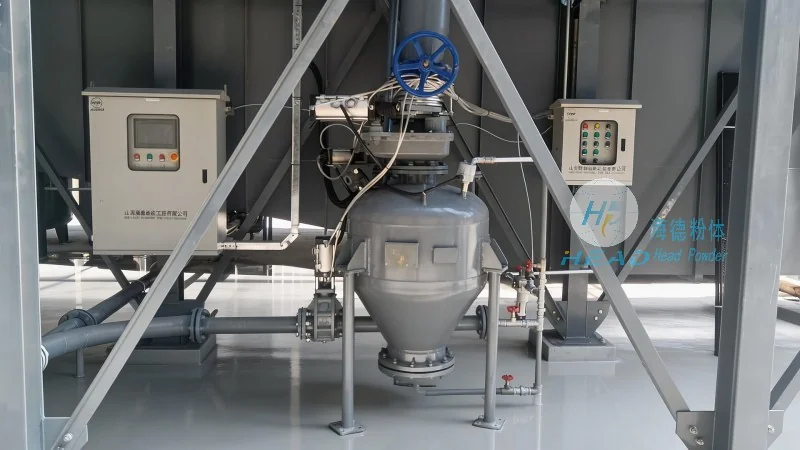
The operational mechanism involves the material feeder releasing desulfurizer powder into the pipeline, where it is entrained by the high-velocity air from the blower. The mixture of air and material travels through the pipeline to the injection point, where the material is released into the flue gas stream for desulfurization. The system may also include a filter or separator at the end of the pipeline to remove any excess air and collect any material that may have escaped, preventing contamination and ensuring the purity of the desulfurizer material.
Advantages and Applications of Desulfurizer Material Pneumatic Conveying Equipment
Desulfurizer material pneumatic conveying equipment offers several advantages over traditional mechanical conveying methods. One of the key benefits is the ability to transport materials over long distances without the need for multiple transfer points or intermediate storage. This reduces the overall system complexity and maintenance requirements. Additionally, pneumatic conveying systems can handle materials with varying particle sizes and moisture content, making them suitable for a wide range of desulfurizer applications. The system also provides better control over the material's flow rate and distribution, ensuring uniform injection of the desulfurizer into the flue gas, which enhances the efficiency of the desulfurization process.
These systems are widely used in power plants, particularly those with coal-fired boilers, where flue gas desulfurization is mandatory to meet environmental regulations. The equipment is also applied in other industrial facilities, such as chemical plants and steel mills, where desulfurization is required to reduce sulfur dioxide emissions. The ability to handle large volumes of desulfurizer material efficiently makes this equipment an essential component of modern air pollution control systems.
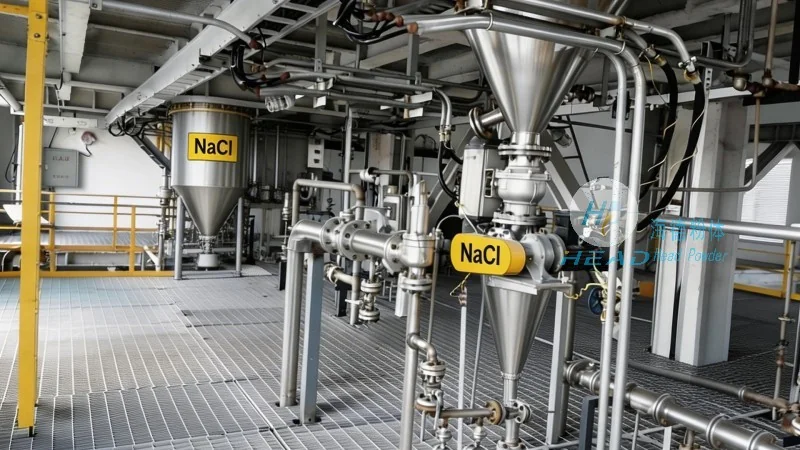
Company Profile: Shandong HeadPowder Engineering Co., Ltd.
HeadPowder, a leading manufacturer of industrial conveying equipment, specializes in the design and production of desulfurizer material pneumatic conveying systems. With a strong commitment to quality and innovation, the company has established itself as a trusted supplier in the power and environmental protection industries. HeadPowder's products are engineered to meet the stringent requirements of flue gas desulfurization processes, ensuring reliable and efficient material transport. The company's headquarters is located in Shandong, China, where it operates a state-of-the-art manufacturing facility equipped with advanced technology and skilled personnel. HeadPowder's team of engineers and technicians works closely with clients to understand their specific needs and provide customized solutions that enhance operational efficiency and reduce costs.
Conclusion: The Importance of Advanced Desulfurizer Material Pneumatic Conveying Equipment
In conclusion, desulfurizer material pneumatic conveying equipment is a critical component in modern air pollution control systems, enabling the efficient transport of desulfurizer materials to injection points. The design principles and operational mechanisms of these systems are tailored to handle the unique characteristics of desulfurizer powders, ensuring optimal performance and reliability. As environmental regulations continue to tighten, the demand for advanced conveying equipment is expected to grow, making it essential for industries to invest in high-quality systems like those offered by HeadPowder. By understanding the design principles and benefits of such equipment, facilities can improve their desulfurization processes, reduce emissions, and contribute to a cleaner environment.