

What is a Pneumatic Conveying System for Stone Powder Particle Materials? What Are Its Design Princi
For industries dealing with stone powder and other fine particle materials, efficient and reliable material handling is crucial. Pneumatic conveying systems have emerged as a key solution, offering a flexible and effective method to transport these materials over various distances and within different operational environments. This article explores the concept of pneumatic conveying systems specifically designed for stone powder particle materials and delves into the fundamental design principles that underpin their operation.
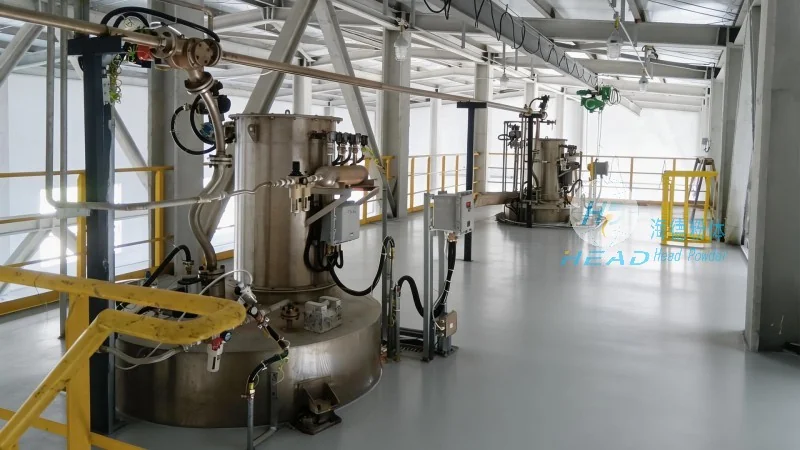
Pneumatic Conveying Systems: An Overview
Pneumatic conveying systems utilize air or other gases to transport solid particles through a pipeline. Unlike traditional mechanical conveying methods, such as screw conveyors or belt conveyors, pneumatic systems eliminate the need for physical contact between the material and the conveying equipment, reducing wear and tear and minimizing the risk of contamination. This makes them particularly suitable for handling sensitive materials like stone powder, which can be prone to clumping or degradation under mechanical stress.
Key Components of a Stone Powder Pneumatic Conveying System
A typical pneumatic conveying system for stone powder consists of several critical components, each playing a vital role in the overall operation. These components include the material feed hopper, the air compressor or blower, the conveying pipeline, the control valves, and the discharge unit. The feed hopper is designed to store and meter the stone powder, ensuring a consistent flow into the system. The air compressor generates the necessary pressure or vacuum to move the particles through the pipeline. The conveying pipeline, often made of stainless steel or other corrosion-resistant materials, provides the path for the material and air mixture. Control valves regulate the air flow and pressure, allowing for precise control over the conveying process. Finally, the discharge unit collects the material at the destination point, completing the transport cycle.
Design Principles for Efficient Stone Powder Conveying
The design of a pneumatic conveying system for stone powder is governed by several key principles aimed at maximizing efficiency, minimizing energy consumption, and ensuring material integrity. One of the primary design considerations is the particle size and density of the stone powder. Larger or denser particles may require higher air velocities and pressure differentials to ensure smooth transport. Conversely, finer particles may be more susceptible to segregation or clogging, necessitating designs that minimize turbulence and maintain a uniform flow.
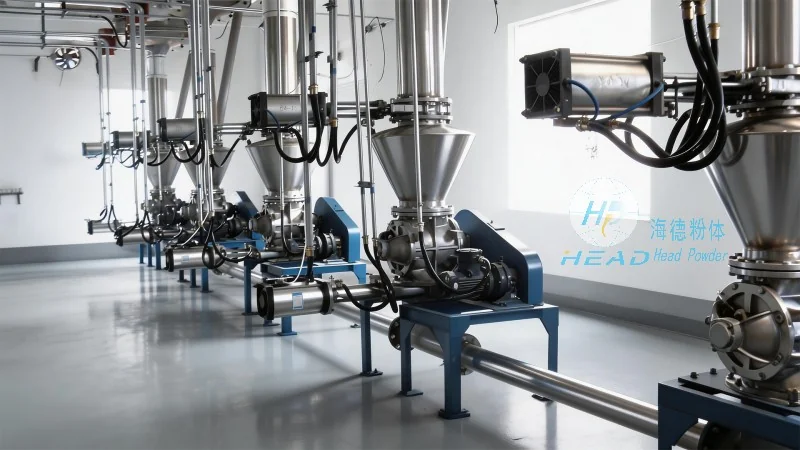
Another critical design principle is the selection of the appropriate conveying method—either pressure or vacuum. Pressure systems use compressed air to push the material forward, while vacuum systems use a vacuum to pull the material. The choice between these methods depends on factors such as the distance to be covered, the height of the lift, and the material characteristics. For stone powder applications, pressure systems are often preferred for longer distances and higher lifts due to their ability to maintain consistent flow rates and pressure.
Advantages of Pneumatic Conveying for Stone Powder
Implementing a pneumatic conveying system for stone powder offers numerous advantages over traditional mechanical methods. Firstly, it provides a dust-free and enclosed transport environment, which is essential for maintaining product quality and ensuring workplace safety. Unlike open systems that can lead to dust dispersion, pneumatic systems contain the material within the pipeline, reducing the risk of inhalation hazards and environmental contamination. Secondly, these systems offer high flexibility, allowing for changes in the conveying route or destination without significant modifications to the infrastructure. This adaptability is particularly valuable in dynamic industrial settings where production processes may evolve over time.
Additionally, pneumatic conveying systems are highly efficient in terms of energy consumption. By optimizing the air velocity and pressure, operators can achieve optimal material transport with minimal energy input. This not only reduces operational costs but also contributes to a more sustainable and environmentally friendly operation. Furthermore, the lack of moving parts in the conveying pipeline reduces maintenance requirements, leading to lower downtime and longer equipment lifespan.
Application Examples and Industry Impact
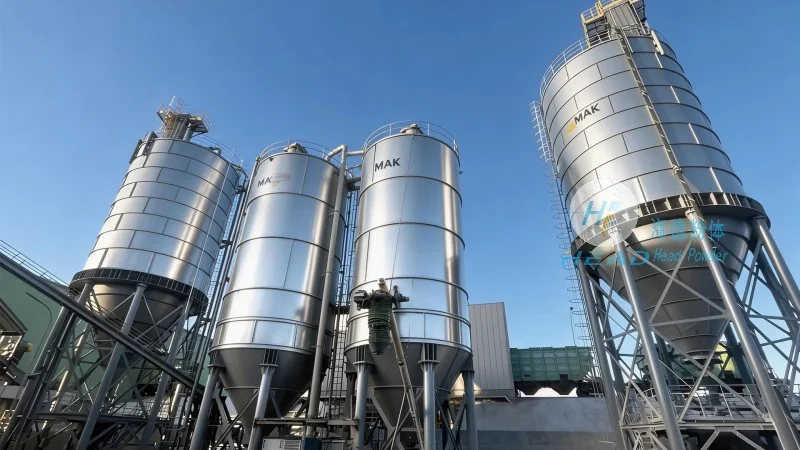
The application of pneumatic conveying systems for stone powder is widespread across various industries, including mining, construction, and manufacturing. In mining operations, these systems are used to transport crushed stone and other raw materials from processing plants to storage facilities or for further processing. In construction, they are employed to move stone powder for concrete production, ensuring consistent material quality and reducing the need for manual handling. In manufacturing, they facilitate the transport of stone powder in the production of ceramics, paints, and other industrial products, where precise material control is critical.
Companies specializing in material handling solutions, such as Shandong HeadPowder Engineering Co., Ltd., play a pivotal role in designing and manufacturing these systems. With a focus on innovation and customer-centric solutions, HeadPowder leverages advanced engineering principles to develop customized pneumatic conveying systems tailored to the specific needs of their clients. Based in Shandong, China, HeadPowder combines years of industry experience with cutting-edge technology to deliver reliable and efficient material transport solutions for stone powder and other fine particle materials.
Conclusion: The Future of Stone Powder Conveying
Pneumatic conveying systems represent a sophisticated and effective solution for the transport of stone powder particle materials. By adhering to fundamental design principles that consider material characteristics, operational requirements, and energy efficiency, these systems ensure reliable and safe material handling. As industries continue to demand higher standards of efficiency and sustainability, the role of pneumatic conveying systems will only grow, making them an indispensable component of modern material handling operations. For businesses seeking to optimize their stone powder transport processes, investing in a well-designed pneumatic conveying system is a strategic decision that can lead to improved productivity, reduced costs, and enhanced operational safety.