

What is the Pneumatic Conveying Equipment for Sodium Bicarbonate Material? And What Are Its Design P
When it comes to handling sodium bicarbonate material, the choice of equipment plays a crucial role in ensuring efficiency, safety, and cost-effectiveness in industrial processes. Pneumatic conveying equipment for sodium bicarbonate material has emerged as a reliable solution, offering a seamless way to transport this widely used chemical. This article explores what this equipment entails and delves into its underlying design principles, providing insights into how it meets the specific demands of sodium bicarbonate material handling.
About HeadPowder: Your Trusted Partner in Material Handling Solutions
HeadPowder, a leading name in the material handling industry, is dedicated to providing high-quality equipment and services tailored to the needs of various industries. With a strong presence in Shandong, China, the company has built a reputation for excellence in engineering and manufacturing. The team at HeadPowder brings years of experience and expertise to every project, ensuring that clients receive equipment that is not only efficient but also durable and reliable. Whether it's for small-scale operations or large industrial facilities, HeadPowder's solutions are designed to enhance productivity and streamline material handling processes.
Pneumatic Conveying Equipment for Sodium Bicarbonate Material: An Overview
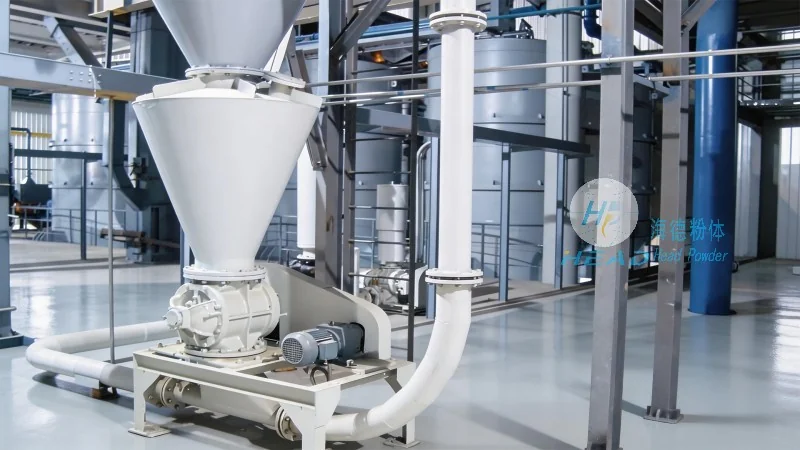
Sodium bicarbonate, also known as baking soda, is a common chemical used in food, pharmaceuticals, and various industrial applications. Handling this material requires equipment that can manage its properties effectively, such as its light weight, fine particle size, and potential for dust generation. Pneumatic conveying equipment is specifically designed to address these challenges by using air or gas to transport the material from one location to another. This method eliminates the need for mechanical components like belts or screws, reducing maintenance and increasing safety. The equipment typically consists of a hopper, a conveying line, and a receiver, all working in tandem to ensure smooth and continuous material flow.
The Design Principles Behind Sodium Bicarbonate Pneumatic Conveying Equipment
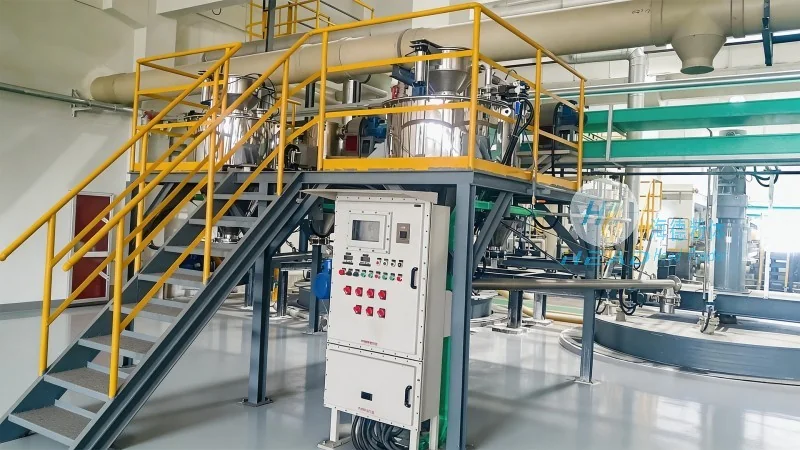
The design of pneumatic conveying equipment for sodium bicarbonate material is based on several key principles that ensure optimal performance. First, the system must be able to handle the material's characteristics, including its density, particle size distribution, and flowability. The equipment is designed to maintain a consistent air flow rate, which is critical for preventing material blockages and ensuring uniform transport. Second, the system incorporates features that minimize dust generation and ensure environmental compliance. This includes sealed hoppers and conveying lines, as well as filtration systems to capture any airborne particles. Third, the design prioritizes energy efficiency, using the right air pressure and flow rates to minimize operational costs while maintaining performance. The equipment is also built to withstand the corrosive nature of sodium bicarbonate, with materials like stainless steel used in critical components to ensure longevity and reliability.
Key Features and Benefits of the Equipment
The pneumatic conveying equipment for sodium bicarbonate material offers several advantages that make it a preferred choice for many industries. One of the main benefits is its ability to handle fine and light particles without causing clogging or blockages. The system's design allows for gentle handling, which is essential for maintaining the quality of the material. Another advantage is the reduced risk of contamination, as the sealed system prevents cross-contamination with other materials or the environment. Additionally, the equipment is highly versatile, capable of transporting materials over long distances and through multiple points of use. This flexibility makes it suitable for various applications, from small-scale production lines to large-scale industrial facilities. The system also offers easy integration with existing processes, allowing for seamless incorporation into current workflows without major disruptions.
Applications and Use Cases
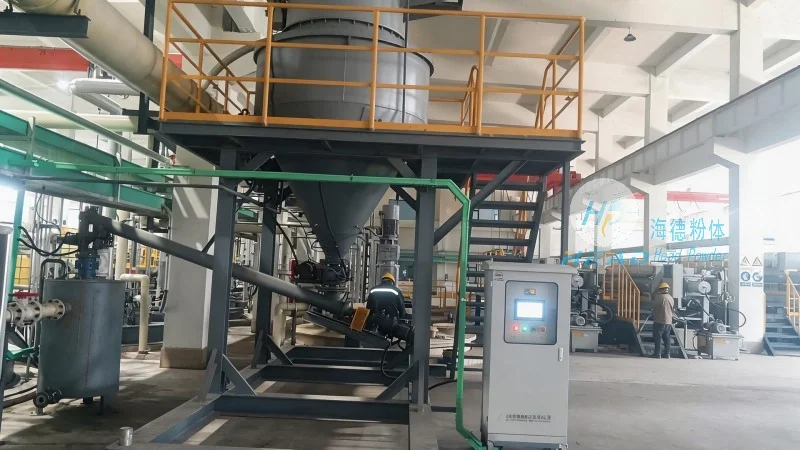
Sodium bicarbonate pneumatic conveying equipment is widely used in various industries due to its adaptability and efficiency. In the food industry, it is used to transport baking soda for use in baking and food production, ensuring that the material is delivered to production lines without any loss or contamination. In the pharmaceutical industry, the equipment is used to handle sodium bicarbonate for use in drug formulations, where precision and purity are paramount. In industrial applications, it is used in chemical plants, manufacturing facilities, and other settings where sodium bicarbonate is processed or used as an ingredient. The equipment's ability to handle large volumes and maintain consistent flow makes it ideal for high-throughput operations, where efficiency is critical.
Conclusion
Pneumatic conveying equipment for sodium bicarbonate material is a sophisticated solution that addresses the unique challenges of handling this chemical. By leveraging the principles of air-based transport, the equipment ensures efficient, safe, and reliable material handling. HeadPowder, with its expertise and commitment to quality, provides equipment that meets the specific needs of clients, ensuring that they can operate their processes with confidence. Whether you are in the food, pharmaceutical, or industrial sector, investing in the right pneumatic conveying equipment can significantly enhance your material handling capabilities and contribute to overall operational efficiency.