

What is a Dust Collection Material Pneumatic Conveying Line? What Are Its Design Principles?
A dust collection material pneumatic conveying line is a sophisticated industrial system engineered to transport fine or powdery materials, such as dust, particulate matter, or dry powders, from one location to another using air pressure or vacuum. This technology is widely employed in sectors like cement production, chemical processing, food processing, and pharmaceuticals, where maintaining a dust-free environment and ensuring efficient material handling are critical. The system operates by creating a flow of air within a pipeline, which carries the material particles along with it, enabling a clean and continuous transfer process without direct physical contact with the material.
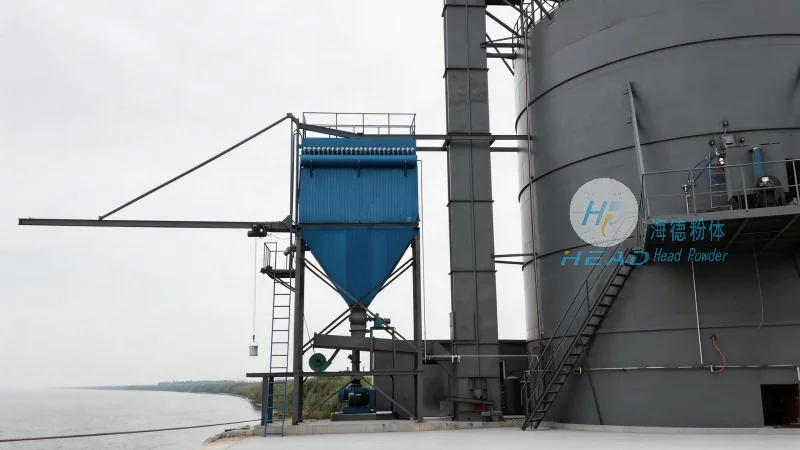
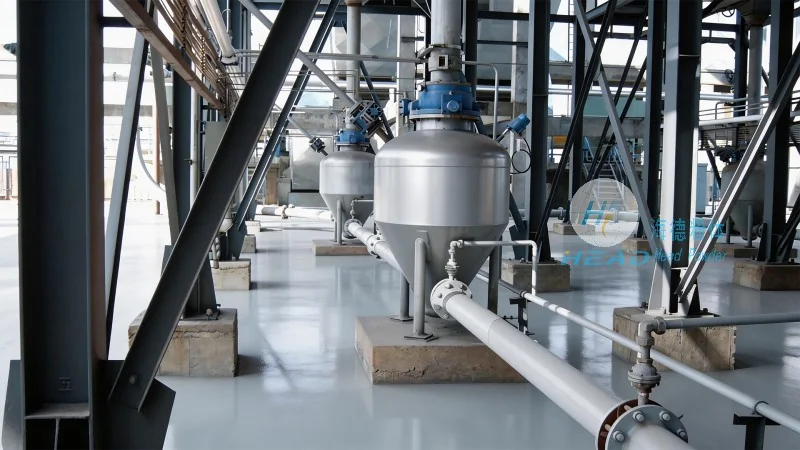
Core Design Principles for Pneumatic Conveying Systems
The design of a dust collection material pneumatic conveying line is governed by several fundamental principles to ensure optimal performance, reliability, and efficiency. The first principle is the generation of sufficient air flow to move the material through the pipeline. This typically involves the use of high-efficiency blowers or vacuum pumps that can handle the specific properties of the dust, including particle size, density, moisture content, and flowability. The air flow rate must be carefully calculated to match the material’s characteristics, as insufficient flow can lead to blockages or incomplete transport, while excessive flow may result in energy waste and increased system wear. Second, the pipeline layout is a critical design consideration. It must be designed to minimize pressure drops and prevent material buildup or blockages, which can occur due to changes in air velocity or the presence of abrasive particles. The use of appropriate fittings, such as elbows, bends, expansion joints, and straight sections, is essential to maintain smooth material flow and reduce friction losses. Third, the system incorporates robust dust collection and filtration components to ensure that the air discharged is clean and compliant with environmental regulations. These components, such as cyclone separators, bag filters, or cartridge filters, effectively separate the material from the air stream, preventing dust emissions and maintaining air quality. Additionally, the system may include control and monitoring devices, such as pressure sensors, flow meters, and level indicators, to regulate air pressure, flow rate, and material feed, ensuring consistent and safe operation. The design of the system is tailored to the specific application, taking into account factors like material handling capacity, distance, and environmental requirements.
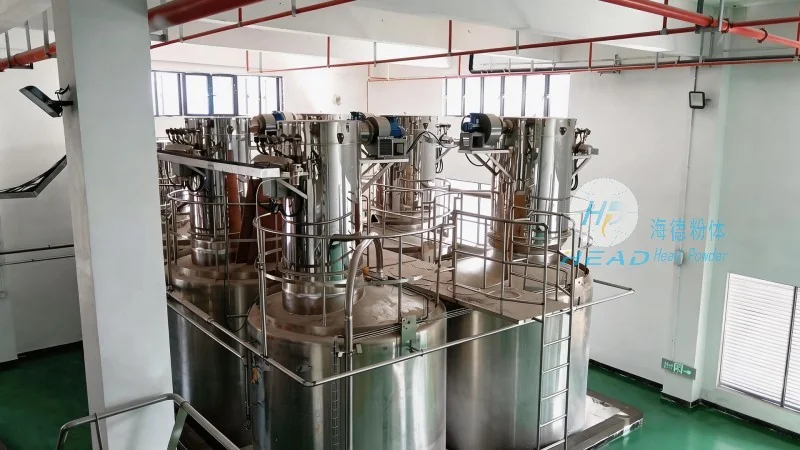
Key Components and Their Functionality
The pneumatic conveying line consists of several key components that work in harmony to achieve efficient material transport. The primary components include a material feed hopper, which serves as the storage and feeding unit for the dust or powder. The hopper is equipped with a controlled feeder or valve that regulates the flow of material into the pipeline, ensuring a consistent feed rate. Next, the conveying pipeline, typically constructed from stainless steel or other corrosion-resistant materials, to withstand the abrasive nature of the dust and prevent material buildup. The pipeline is connected to a blower or vacuum pump that generates the necessary air pressure or vacuum to move the material. The system may also include a filter or separator at the discharge end to capture any material that may have escaped the pipeline, preventing contamination of the surrounding environment. The control system, which may include a control panel with sensors and monitoring devices, regulates the pressure, flow rate, and material level, allowing for real-time adjustments to maintain optimal performance. The design of each component is optimized for the specific material being conveyed, ensuring that the system operates efficiently, reliably, and safely. For example, in applications involving high-temperature or corrosive materials, specialized materials like PTFE or ceramic-lined components may be used to enhance durability and performance.
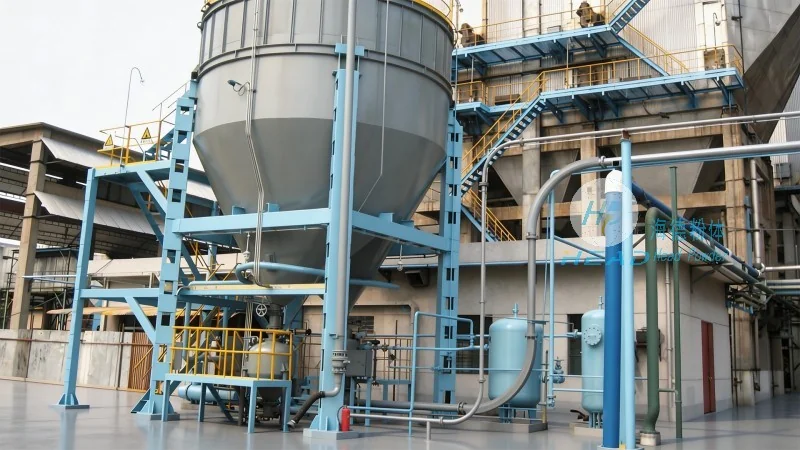
Shandong HeadPowder Engineering Co., Ltd.: A Trusted Partner in Pneumatic Conveying Solutions
Shandong HeadPowder Engineering Co., Ltd., commonly referred to as HeadPowder, is a leading enterprise specializing in the design, manufacturing, and installation of industrial pneumatic conveying systems. Headquartered in Shandong, China, the company has established itself as a trusted provider of high-quality dust collection material pneumatic conveying lines for various industries. With a team of experienced engineers, technicians, and project managers, HeadPowder leverages advanced technology and rigorous quality control processes to deliver customized solutions that meet the unique needs of clients. The company’s expertise lies in understanding the challenges of material handling and developing innovative systems that enhance efficiency, reduce downtime, and ensure compliance with environmental regulations. HeadPowder’s commitment to customer satisfaction and technical excellence has earned it a reputation as a reliable partner in the industry, serving clients across China and internationally. The company’s products are designed to be durable, efficient, and easy to maintain, providing long-term value to its customers. By focusing on detailed engineering and customer-centric solutions, HeadPowder continues to set standards in the pneumatic conveying industry.